

 Türkçe
Auditory perception disorder in children is a condition in which the ears hear sounds perfectly, but the brain cannot correctly analyze and interpret these sounds. Although the hearing organ functions completely healthily from a physical standpoint, disruptions occur during the transmission and processing stages when sound-related signals reach the central nervous system. Your child may easily hear even the faintest whisper, but experiences a neurological difficulty in organizing incoming auditory data, filtering background sounds, or rapidly processing the information heard. This condition is not only related to sound reaching the ear, but also to how it is encoded in the mind. In short, the ear collects sounds without loss like an excellent microphone, but the brain, which is the main processor, struggles to decode this data and turn it into a meaningful whole.
What Is Auditory Processing Disorder APD If My Child’s Ears Can Hear?
Central Auditory Processing Disorder, in its most basic definition, is a condition in which the sounds heard cannot be analyzed correctly, quickly, and effectively by the brain. Physically, there is no damage to the ear structure, eardrum, or nerve endings in the inner ear. Standard evaluations show that even sounds at whisper level can be heard comfortably. However, the problem begins in the complex neural networks where sound leaves the ear and reaches the brain. Incoming sound signals become distorted, slowed down, or mixed together along the way. It is just like a television antenna receiving an extremely clear signal but producing snowy, distorted, and meaningless images on the screen because of a faulty decoder inside. Understanding speech in noisy environments, distinguishing similar sounds, or retaining long sentences in memory becomes extremely difficult. The brain expends so much effort organizing this complex incoming auditory data that it quickly becomes exhausted and fatigued.
How Do Auditory Processing and the Journey of Sound Through the Brain Occur?
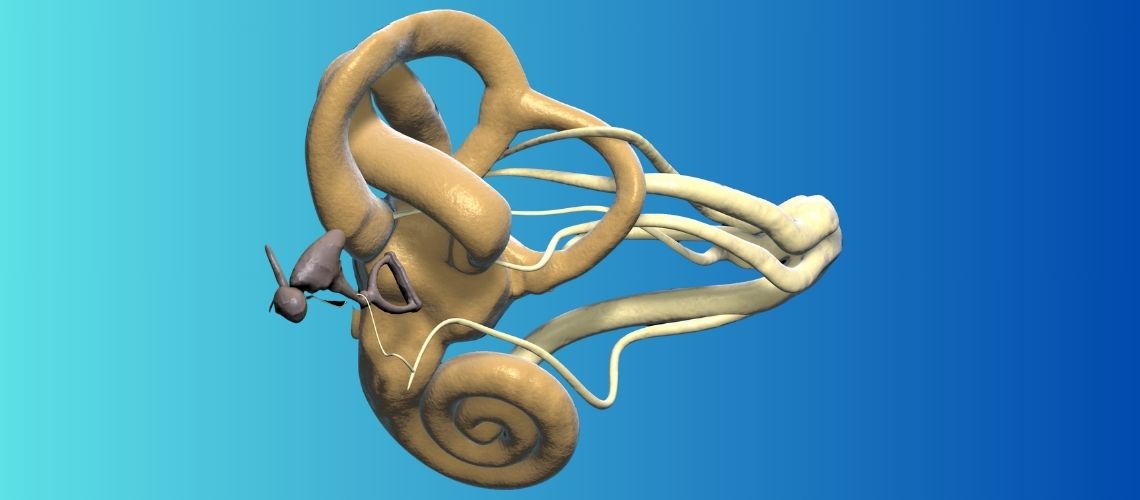
The journey of sound through the brain is an extraordinary biological design. The nerve leaving the inner ear carries electrical signals to the brainstem. The brainstem is the first place where sound is analyzed; here, basic characteristics such as the direction, intensity, and timing of sound are identified. These signals then reach regions located in the right and left hemispheres of the brain. The auditory regions examine these incoming signals and determine which sound corresponds to which sound and what the intonation means. The right and left hemispheres are in constant communication through the bridge of nerve fibers between them. For a flawless listening process, all these stations in the brain must work in synchronization. In APD, however, this synchronization is impaired. Signals are delayed, lost, or the exchange of data between the hemispheres remains insufficient during transmission.
What Stages Make Up Auditory Perception Development and Auditory Processing Skills in Children?
A child’s ability to learn the native language from birth, develop vocabulary, and acquire academic skills in later years depends on the gradual maturation of the auditory perception system. This process follows a hierarchical structure. A disruption at lower levels endangers the upper structure. The basic stages of perception are:
- Detection
- Discrimination
- Recognition
- Comprehension
The detection stage is perceiving whether a sound exists in the environment. The discrimination stage is understanding the subtle difference between two different incoming sounds. The recognition stage is retrieving from memory what the sound belongs to and naming it. The highest level, comprehension, is the transformation of heard words or sentences into a thought by processing them through grammatical rules. Children experiencing difficulties generally struggle greatly between the discrimination and comprehension stages.
What Causes Auditory Processing Disorder (APD) and Which Factors Increase the Risk?
There is no single cause for this difference in the brain’s capacity to process sounds. It generally occurs as a result of a complex interaction between genetic predispositions and environmental factors. Complications experienced during pregnancy or birth can directly affect the development of the nervous system. Conditions such as premature birth, low birth weight, or oxygen deprivation may delay the development of structures responsible for signal transmission. The risk is higher in children with a family history of learning difficulties or delayed speech. One of the environmental factors most emphasized by specialists is frequent middle ear infections during infancy. Fluid accumulation in the middle ear causes temporary hearing loss. Even after the ear heals, deprivation of clear sound during the period when the brain develops most rapidly can cause the auditory pathways to become incorrectly organized.
What Are the Signs of Auditory Processing Disorder (APD) in the Home Environment?
Although the symptoms of this condition vary from child to child, there are highly typical behavioral patterns that families can observe in daily life. The main symptoms commonly encountered in the home environment are:
- Asking for repetition
- Forgetting instructions
- Responding late to sound
- Being disturbed by noise
- Confusing words
The child frequently asks for the sentence to be repeated. However, when the environment is completely quiet, these problems decrease substantially. They have difficulty following multi-step instructions. They either perform only the last action they heard or become completely confused. When you call them, they may behave as though they did not hear you. They may become extremely irritable or tired while watching television or when there are many guests at home. They may confuse similar sounds and syllables, mispronounce words, or experience a clearly greater difficulty than their peers in finding rhyming words.
How Does Auditory Processing Disorder (APD) Affect School Life?
The school environment is a complex ecosystem built entirely on auditory data. Traffic sounds from outside, footsteps in the corridor, creaking and whispering inside the classroom are constantly present. A brain with normal capacity suppresses all these background noises by passing them through a filtering system and focuses on the teacher’s voice. In APD, however, this filtering mechanism does not function. The brain perceives the sound of a horn, the clicking of a pen, and the lesson explained by the teacher at the same intensity. Because the signal and noise become mixed together, the child has difficulty understanding what the teacher is saying. Since they struggle to match sounds with letters, the process of learning to read and write becomes quite difficult. They may make letter errors when writing the words they hear. They avoid participating in classroom discussions and prefer to sit quietly in the back rows.
How Does Auditory Processing Disorder (APD) Affect the Child Psychologically?
Treating this condition only as an academic problem is a major deficiency. Difficulties in auditory perception can create deep wounds in the child’s psychological and social world. A serious sense of inadequacy emerges in a child who constantly realizes that they are missing things. The mental effort spent throughout the day trying to interpret sounds in a noisy environment causes neurological fatigue. A child returning home from school may often be exhausted and intolerant. Over time, this constant state of stress may develop into anxiety disorders, withdrawal, and loss of self-confidence. They hesitate to speak in groups because they fear being mocked for misunderstanding. They may have difficulty forming social relationships and may not want to join group games because they miss the rules while listening.
Can Auditory Processing Disorder (APD) Be Diagnosed with a Conventional Hearing Test?
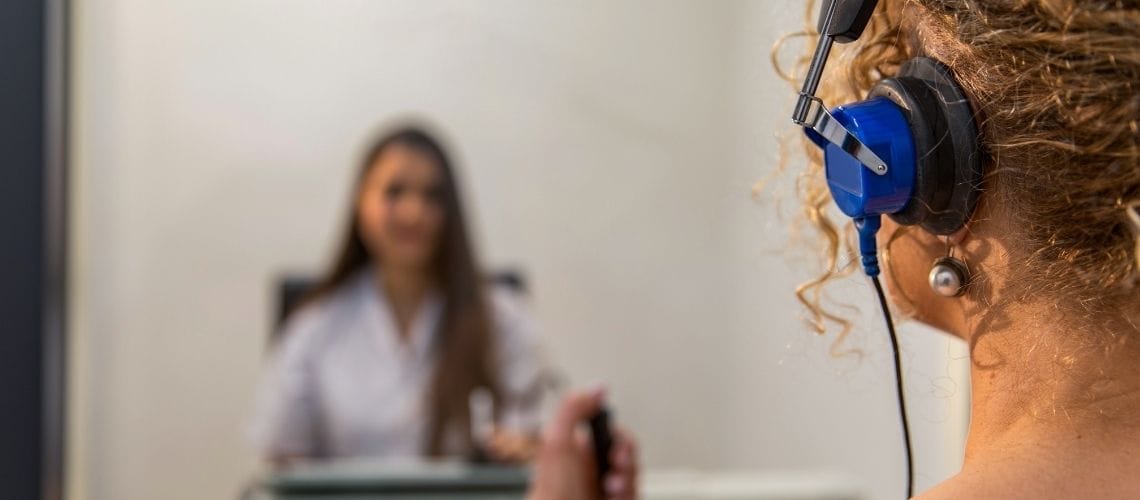
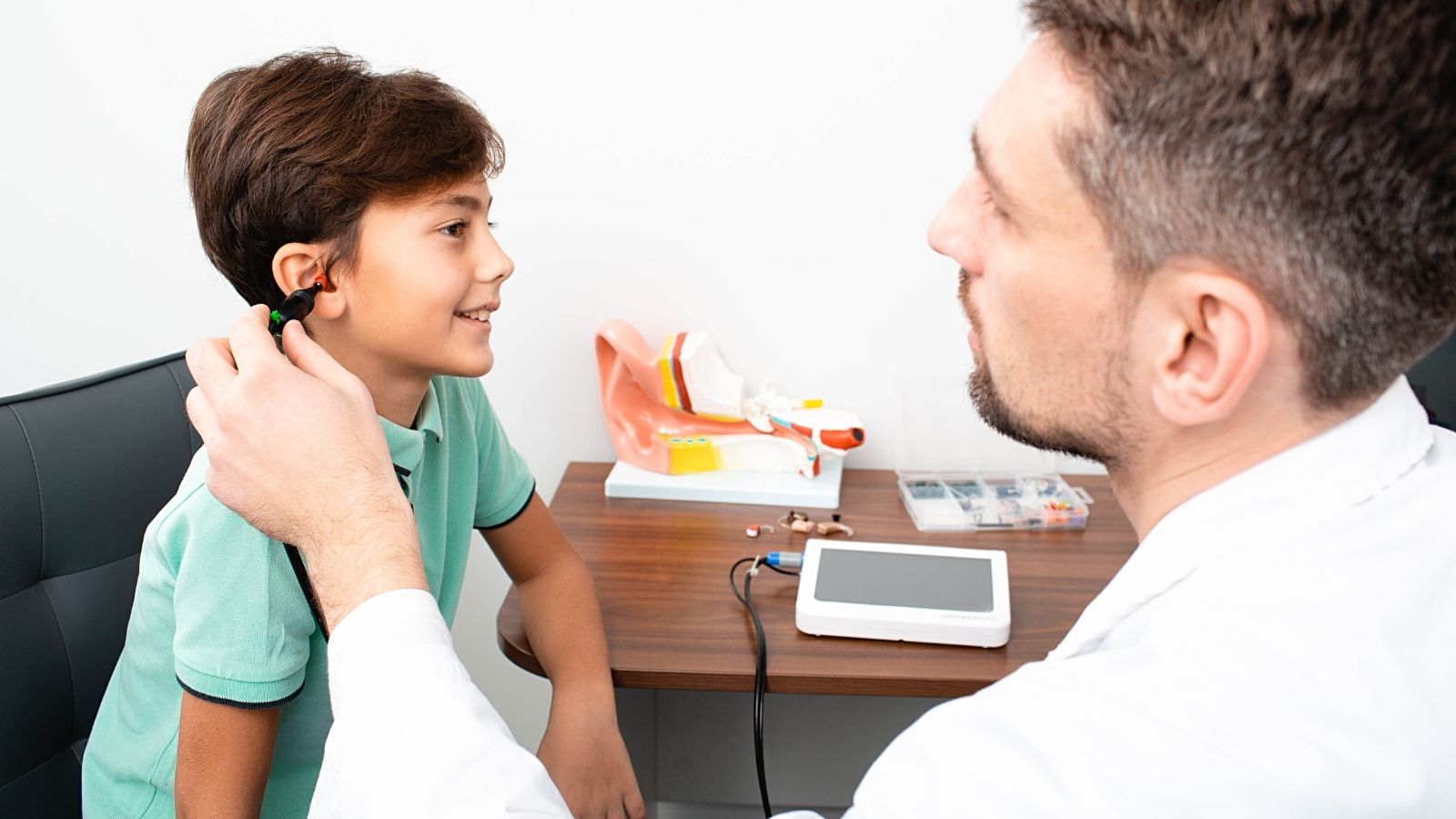
One of the most common misconceptions in society is the belief that standard tests can detect this condition. Standard tests only evaluate the system from the outer ear to the auditory nerve; they measure whether sound can be heard. However, diagnosis requires much more comprehensive special test batteries that challenge the brainstem and cortex. In these special evaluations, different words are presented simultaneously to the right and left ears, and how the brain coordinates these two different signals is examined. The speed of detecting millisecond gaps in the timing of sounds is measured. Noise is added to the background of speech sounds to test the brain’s capacity to separate the target sound from noise. When necessary, electrophysiological methods that measure the brain’s electrical responses to auditory stimuli are used.
What Other Conditions Can Auditory Processing Disorder (APD) Be Confused With?
Auditory problems generally do not appear as an isolated condition. Their symptoms overlap significantly with other neurodevelopmental differences and may lead to misdiagnoses. The main conditions with which it is confused are:
- Attention deficit
- Hyperactivity disorder
- Dyslexia
- Delayed language development
The similarity with attention problems is especially striking. A child with an attention problem has a general difficulty focusing and struggles even when the environment is quiet. A child with an auditory-focused problem, on the other hand, may focus in quiet environments, but their attention is immediately disrupted when there is noise. It overlaps with dyslexia in terms of reading problems, but while dyslexia is more closely related to visual and linguistic coding, auditory problems are related to the quality of the input heard. Cooperation among specialists is vital for an accurate diagnosis.
What Arrangements Should Be Made at School for Auditory Processing Disorder (APD)?
Making the child’s learning environment acoustically suitable is the first step in the intervention process. The signal-to-noise ratio in the classroom must be improved. The child should be seated in the front row, where they can clearly see the teacher’s face and remain away from sources of noise. Sometimes changing the seating location alone is not enough. In such cases, technological support comes into play. Through a small microphone attached to the teacher’s collar and special receivers used by the child, the teacher’s voice is transmitted directly without being affected by classroom noise. This technological arrangement significantly reduces the auditory burden on the child, allowing them to focus their energy on the lesson. In addition, the use of panels and curtains that reduce reverberation in classrooms are physical interventions that improve the quality of the environment.
What Therapies Are Applied for Auditory Processing Disorder (APD)?
After diagnosis, the most important stage is structured training programs aimed at strengthening deficient skills. These programs are built on the brain’s neuroplasticity, meaning its capacity to change, develop, and create new pathways. During special education sessions, intensive exercises are performed targeting the areas in which the child is weak. For example, if the child has difficulty perceiving the timing of sounds, rhythm and duration training is provided through computer-based programs. If they cannot distinguish similar sounds, discrimination exercises are carried out in which they focus entirely on auditory stimuli without being given the opportunity to lip-read. To improve the ability to identify the target sound in noise, the level of background noise is increased and the child is asked to understand the target word. These exercises stimulate neural connections and help strengthen that area.
How Are Compensatory Strategies Taught for Auditory Processing Disorder (APD)?
In addition to strengthening the system, teaching the child self-management skills to cope with this difficulty is an inseparable part of the process. This is a method of closing the auditory gap by using cognitive resources. The child is taught strategies for managing the situation instead of remaining passive when they do not hear or understand something. When they miss a sentence spoken by the teacher in class, instead of saying “I did not understand,” they are taught to clearly request the missing information. Visualization techniques are shown to help them retain verbal information; they are encouraged to imagine the words they hear as pictures in their mind. They are encouraged to repeat important instructions silently to themselves and use visual reminders. These strategies support the child in taking control.
How Can Families Support Their Children with Auditory Processing Disorder (APD)?
The way communication is carried out at home is as effective as clinical treatments in helping the child overcome this process. The parents’ approach should reduce the child’s psychological burden. Some home strategies that can be applied are:
- Making eye contact
- Reducing noise
- Using short sentences
- Breaking instructions into steps
- Being patient
When communicating with your child, be in the same room and make sure you have their attention before you begin speaking. Eye contact allows the message to be supported with cues. Do not allow devices to remain constantly on in the background at home. Use short, clear expressions instead of long and complicated sentences. Instead of giving the tasks you want them to complete as a long list all at once, divide them into steps. Remember that their brain needs time to process that information.
Note to Parents:
Every child’s developmental process is unique, and some behavioral differences may occasionally be interpreted as “our child’s temperament” or “character.” However, especially when difficulties related to listening, understanding, following instructions, or distinguishing speech in noisy environments are observed, it is important to objectively evaluate whether these behaviors are similar when compared with peers.
Auditory processing skills play an important role in children’s language development, learning processes, and academic achievement. For this reason, recognizing conditions that may affect hearing health at an early stage and taking clinical recommendations into consideration when necessary are of great value.
For example, frequent middle ear infections or even mild hearing loss may affect a child’s ability to perceive and process sounds. In such cases, medical or audiological approaches recommended by clinicians, such as appropriate hearing support or follow-up programs, aim to support the child’s healthy auditory development.
The purpose of these recommendations is to ensure that the child hears sounds as clearly as possible and to help auditory processing skills remain active and strong. Consulting a specialist regarding the situations you observe can often be an important step in supporting the child’s development.
Frequently Asked Questions
Auditory perception disorder is the child’s difficulty in correctly interpreting the sounds they hear. Unlike hearing loss, the ears may hear sound, but the brain may experience difficulty in interpreting, distinguishing, and processing sounds.
Frequently asking for repetition, confusing similar sounds, difficulty understanding speech in noisy environments, and inability to follow instructions are among the most common symptoms. This condition may also affect school achievement.
Children who cannot process sounds correctly may have difficulty learning and pronouncing words accurately. This may cause delays in speech development, limited vocabulary, and difficulties in communication skills.
Children who have difficulty understanding what the teacher explains may struggle to follow lessons. Listening, reading, and writing skills may be particularly affected, which may cause academic performance to remain below the expected level.
Hearing tests, auditory processing evaluations, and speech-language assessments may be used during the diagnostic process. A comprehensive evaluation must be carried out by specialists according to the child’s age and symptoms.
Children with auditory perception disorder may appear as though they are not listening. For this reason, it may be confused with attention deficit and hyperactivity disorder. However, the differences between the two conditions can be identified through a detailed evaluation.
Auditory training programs, speech and language therapies, and individualized support studies may be applied during treatment. The aim is to help the child process sounds more effectively and improve communication skills.
Families can support communication by using short and clear sentences, reducing distracting environments, and making eye contact. Regular repetition and activities in accordance with specialist recommendations may also be beneficial.
Significant improvements may be seen in children who receive early diagnosis and appropriate educational support. Recognizing the problem early is highly important for supporting academic and social skills and may improve long-term outcomes.
Children who have difficulty communicating may experience problems in friendships and may withdraw. Since this situation may lead to loss of self-confidence over time, both educational and emotional support are important.

Dr. Audiologist Emel Uğur was born in 1982 in Çanakkale. She specialized in Pediatric Audiology, Otologic Disorders, and Vestibular System Disorders, and served for 15 years at the Istanbul Training and Research Hospital. In 2015, she joined the Acıbadem Healthcare Group. She currently works as an Audiologist at the Acıbadem Altunizade Hospital and also serves as a faculty member and program director in the Acıbadem University Vocational School of Health Services Audiometry Program.





Location of our clinic in Istanbul, Turkey