

 Türkçe
Although vertigo attacks cannot always be completely prevented, their frequency and severity can be reduced with appropriate precautions. Salt restriction, adequate fluid intake, and limiting caffeine are effective strategies during this process. Regular follow-up and adherence to treatment are also important.
Stress, irregular sleep, and alcohol consumption are among the main factors that trigger vertigo attacks. Therefore, lifestyle modifications and stress management techniques should be implemented. Patients’ awareness and compliance significantly improve treatment success.
The treatments applied according to the type of disease play a decisive role in controlling attacks. Repositioning maneuvers are the primary treatment for BPPV, while dietary modifications and medication are emphasized in Ménière’s disease. A personalized approach is required for every patient.
Regular exercise and performing head and neck movements in a controlled manner help strengthen the balance system. This can make vertigo attacks milder and help preserve quality of life.
What Is Vertigo and How Does It Occur?
Vertigo is a symptom defined in medical literature as a “spinning sensation.” It is generally not considered a disease on its own but rather an indication of an underlying condition. It is characterized by the sensation that everything in the external world is spinning or that gravity has changed. This feeling may be accompanied by nausea, imbalance, tinnitus, and sometimes vomiting.
At this point, it is important to briefly explain the difference between vertigo and “dizziness.” Not every type of dizziness necessarily means “vertigo.” For example, the mild lightheadedness experienced when your blood sugar drops or your blood pressure falls rapidly may not actually be vertigo. Vertigo, on the other hand, is a more specific sensation of spinning. To visualize it, imagine the loss of balance and spinning sensation you experience after getting off a carousel—that feeling is very similar to vertigo.
The Source of Vertigo: The Relationship Between the Inner Ear and the Brain
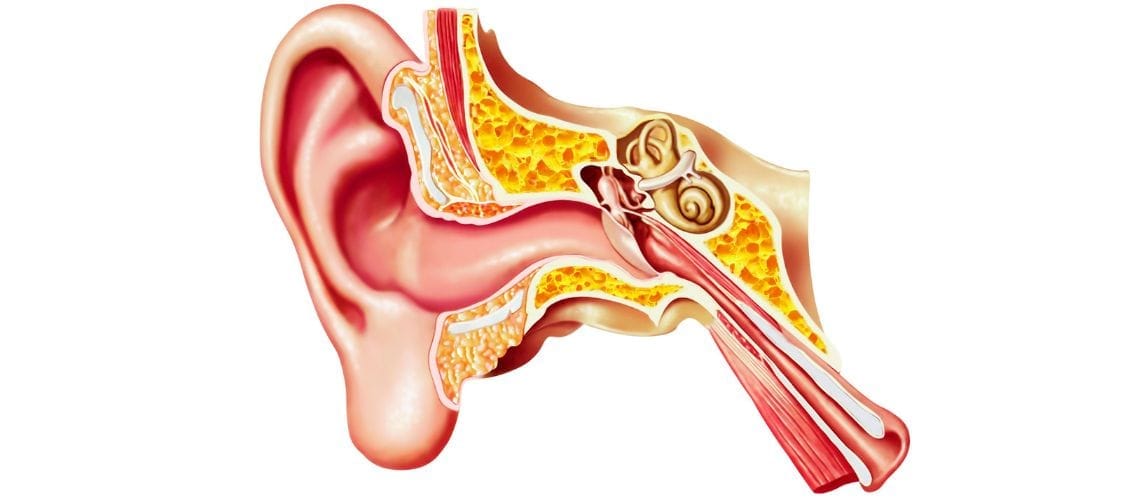
It is possible to compare the body’s balance system to an orchestra. In this orchestra, the ears, eyes, muscles, and brain work together simultaneously to perform a “balance symphony.” The vestibular system located in the inner ear is particularly sensitive to gravity and head movements. Signals from the inner ear are processed by the brain to regulate the body’s balance. If one of the instruments in this orchestra malfunctions—for example, if the crystals in the inner ear become displaced or if there is a disruption in the signals traveling to the brain—the sensation of spinning that we call vertigo occurs.
Why Can the Symptoms Differ?
Vertigo may sometimes begin suddenly and severely, while at other times it may appear as mild imbalance. In some people, only certain head movements trigger vertigo attacks due to inner ear disorders, while in others stress or migraine may act as the trigger. Just as different instruments in the same orchestra may malfunction in different ways, the resulting “sounds,” or symptoms, vary accordingly.
Vertigo attacks may last from a few seconds to several hours. For example, severe attacks lasting several hours may occur in Ménière’s disease. These attacks are often accompanied by tinnitus and hearing loss.
In conditions such as Benign Paroxysmal Positional Vertigo (BPPV), a brief but disturbing spinning sensation, often accompanied by nausea and vomiting, may occur when getting out of bed or suddenly looking upward.
What Factors Trigger Vertigo Attacks?
Just as the causes of vertigo attacks vary, so do their triggers. In some individuals, a meal high in sodium increases attacks, while in others sleep deprivation or stress becomes a major trigger. Below are some of the most common triggers.
- Sudden Head Movements
In types of vertigo associated with displaced inner ear crystals, such as BPPV, quickly moving your head up and down or turning over in bed may trigger an attack. Therefore, caution should be exercised when getting out of bed in the morning or bending down suddenly to pick something up.
- High-Sodium Diet
Particularly in conditions involving increased inner ear pressure, such as Ménière’s disease, salty foods and processed foods may trigger vertigo attacks. This is because salt causes the body to retain water, affecting pressure within the inner ear.
- Stress and Anxiety
High levels of daily stress, worry, and anxiety may indirectly affect the brain centers responsible for controlling balance. Persistently elevated stress hormones may disrupt the body’s overall balance and negatively affect the inner ear balance system.
- Dehydration (Insufficient Fluid Intake)
A dehydrated body becomes more prone to fluctuations in blood pressure. When blood pressure drops or changes suddenly, blood flow to the brain may temporarily decrease. This may also affect blood flow to the inner ear and trigger vertigo symptoms.
- Sleep Disturbances
Insufficient sleep physiologically weakens the body and negatively affects brain function. The brain’s balance control is also affected. Irregular sleep may cause vertigo attacks to occur more frequently and more severely.
How Can Lifestyle Changes Reduce Vertigo Attacks?
As with many diseases, lifestyle modifications play an important role in vertigo. Just as a plant requires proper watering, sunlight, and fertilization to grow healthily, the body also requires proper “care” to remain healthy. Here are a few simple but effective recommendations that may help prevent vertigo attacks.
- Regular Exercise and Physical Activity
As the body engages in regular physical activity, it strengthens its balance system. Walking, light jogging, and simple balance exercises, in particular, help the body adapt to movement and reduce unexpected dizziness. As the muscles and musculoskeletal system become stronger, the body can recover more quickly even if balance is temporarily lost.
Example: Doing brief stretching exercises immediately after waking up, taking more controlled steps when climbing stairs, or planning short walks during the day helps train the balance system.
- Reducing Sodium Intake
If you tend to consume excessive salt, this may increase fluid pressure in the inner ear and trigger vertigo attacks. Instead of adding extra salt to meals, flavoring foods with herbs and spices, avoiding processed foods, and making a habit of reading nutrition labels are important.
- Drinking Plenty of Fluids
Water is like the body’s “lubricating oil.” Regardless of the system involved, problems arise when water is lacking. Drinking an average of 2–2.5 liters of water daily supports both brain and inner ear circulation and helps prevent fluctuations in blood pressure.
Analogy: Just as a car engine requires oil to function properly, the human body needs water for every cell to function correctly.
- Limiting Alcohol and Caffeine
Caffeinated beverages such as coffee, tea, and energy drinks are indispensable for many people. However, caffeine may increase dehydration and contribute to fluctuations in endolymphatic pressure. Similarly, alcohol dehydrates the body and affects brain function, making it a potential trigger for vertigo attacks. Therefore, limiting—or ideally eliminating—alcohol and caffeine intake is an effective step in controlling vertigo attacks.
- Avoiding Sudden Movements
Especially in vertigo types such as BPPV, sudden head movements may displace inner ear crystals and cause a sudden severe spinning sensation. When getting out of bed, first turn onto your side, wait a few seconds, then slowly sit up, pause briefly, and only then stand up. Likewise, avoid abruptly tilting your head backward to reach high shelves or bending down quickly to pick something up from the floor.
What Role Does Stress Management Play in Vertigo?
Modern life is full of constant activity and pressure. As a natural consequence, stress levels inevitably increase. When stress hormones such as adrenaline and cortisol rise, heart rate, blood pressure, and breathing rate also increase. Mentally, tension and anxiety become more pronounced. But what does this have to do with vertigo?
Stress Reflected in the Brain’s Balance Center
- The vestibular nuclei in the brain continuously process information from the inner ear, eyes, and musculoskeletal system to maintain balance. These centers also interact with the limbic system, which regulates emotions and behavior. During periods of high stress, increased limbic system activity alters brain chemistry, causing sensory information to be interpreted differently. This may trigger vertigo attacks or increase the severity of existing attacks.
What Can Be Done to Reduce Stress?
- Mindfulness and Meditation: Performing breathing exercises during the day and engaging in calming activities may reduce stress hormone levels. Many people report feeling both mentally and physically more relaxed after just 10–15 minutes of mindfulness meditation daily.
- Yoga and Light Exercise: Yoga improves flexibility while also relaxing the mind. Certain yoga poses may improve balance and help control vertigo attacks. Care should be taken to avoid rapid movements or poses involving excessive head rotation that may trigger vertigo.
- Developing a Hobby: Spending time on enjoyable activities such as painting, playing music, or walking in nature may significantly reduce stress levels. One of the most important aspects of stress management is finding an activity that allows your mind to rest.
Do Dietary Habits Affect the Risk of Vertigo?
One of the most important factors regulating fluid pressure within the inner ear is the body’s overall fluid and electrolyte balance. Daily dietary habits play a major role in influencing this balance. Certain foods and beverages may directly or indirectly facilitate the occurrence of vertigo attacks.
- Foods High in Sodium
Excessive salt intake causes the body to retain water. This may increase pressure within the endolymph fluid of the inner ear and trigger vertigo attacks, particularly in people with Ménière’s disease. Therefore, it is recommended to keep daily sodium intake at a reasonable level.
- Caffeinated Beverages
Caffeinated drinks such as coffee, tea, and cola stimulate the body by affecting heart rate and blood pressure. They may also contribute to dehydration due to their diuretic properties. Particularly in individuals who are sensitive or have increased inner ear sensitivity, caffeine may trigger vertigo attacks.
- Alcohol Consumption
Alcohol causes fluctuations in blood pressure by dilating or constricting blood vessels. It may also impair communication within the brain’s balance center by slowing brain function. Many people experience dizziness after drinking alcohol. This effect may be even more pronounced in those prone to vertigo.
- Regular and Balanced Meals
Sudden fluctuations in blood sugar levels may also cause dizziness. Going without food for long periods or consuming excessive sugary foods causes blood sugar to rise rapidly and then fall quickly. This may not only result in ordinary dizziness but also contribute to conditions that trigger vertigo attacks. Eating small meals at regular intervals helps maintain more stable blood sugar levels and may reduce the risk of vertigo.
Is Vestibular Rehabilitation Really Effective in Preventing Vertigo?
Vestibular rehabilitation (VR) is a specialized exercise program designed primarily for balance disorders related to the inner ear. The goal of this program is to help the brain adapt to impaired or inadequate vestibular signals while improving balance and coordination.
- How Is It Performed?
Vestibular rehabilitation consists of individualized exercise programs. These may include head movements, eye exercises, balance training, and, in some cases, virtual reality applications. The fundamental principle is to repeatedly perform movements that challenge the brain in a controlled manner so that it gradually adapts to these stimuli. Over time, the brain responds less intensely to problematic signals and improves its ability to maintain balance.
- How Effective Is It?
Scientific studies have shown that vestibular rehabilitation reduces the frequency and severity of vertigo attacks in many cases. Significant improvements in quality of life have been reported, especially in diagnoses such as BPPV, vestibular migraine, and unilateral vestibular hypofunction.
A person who struggles to maintain balance or experiences dizziness when turning the head quickly may begin taking more confident steps and notice reduced spinning sensations during head movements after 6–8 weeks of regular VR sessions.
- Personalization and Consistency
Two important principles determine the success of vestibular rehabilitation: the exercise program must be tailored to the individual, and the patient must perform the exercises consistently. Stopping after only a few attempts because “it doesn’t work for me” means missing out on its potential benefits. It is also extremely important not to neglect the home exercises recommended by the rehabilitation specialist.
What Is the Relationship Between Sleep Patterns and Vertigo?
Sleep is one of the body’s most fundamental needs. Just as our phones need to recharge, the brain also restores itself and organizes the complex information it processes throughout the day during sleep. Lack of sleep or poor-quality sleep disrupts this process, and our “balance orchestra” is affected as well.
Insufficient Sleep and Balance Disorders
- When sleep is inadequate or of poor quality, the brain becomes fatigued. This fatigue increases reaction times in the centers responsible for balance. In individuals prone to vertigo attacks, episodes may become more frequent and severe during periods of sleep deprivation. Some studies indicate that dizziness and imbalance are more common in people who sleep less than six hours per night.
Ideal Sleep Duration
- Generally, 7–9 hours of sleep is recommended for adults. Of course, everyone’s body is different; some people feel excellent after six hours of high-quality sleep, while others feel exhausted if they sleep less than eight hours. However, on average, sleeping less than seven hours or more than ten hours may disrupt the body’s natural rhythm. This disruption may indirectly or directly affect everything from inner ear circulation to processing in the brainstem.
Developing Healthy Sleep Habits
- Going to bed and waking up at consistent times: This is extremely important for maintaining the body’s biological rhythm. Sleeping and waking at different times may disrupt the body’s internal clock and create fluctuations that can trigger vertigo.
- A Dark and Quiet Environment: Room temperature, lighting, and noise levels should be optimized to improve sleep quality. If possible, avoiding prolonged screen exposure before bedtime supports the natural secretion of melatonin.
- Eating and Drinking Habits: Consuming heavy meals or excessive fluids immediately before bedtime may result in poor-quality sleep. This leads to a fatigued brain the following day, which may contribute to vertigo attacks.
Does Avoiding Sudden Head Movements Really Help?
Benign Paroxysmal Positional Vertigo (BPPV) is one of the most common causes of vertigo. It results from otoconia, commonly referred to as “crystals,” becoming detached in the inner ear and moving into the wrong canal. During certain head position changes, these crystals move and create a “spinning” signal in the brain.
Rapid Movements and the Crystals
In BPPV, making slow and controlled movements may help prevent sudden crystal displacement. For example:
- Sleeping with a consistent pillow height,
- Developing the habit of sleeping on the same side,
- Rather than getting up immediately upon waking, first opening your eyes, allowing yourself a few seconds to adjust, and then rising slowly,
- When picking something up from the floor, bending your knees instead of bending quickly at the waist.
These simple measures may significantly reduce the frequency of BPPV attacks in daily life. However, it should be remembered that these approaches are only temporary precautions and do not solve the underlying problem. If the crystals have become displaced, they may need to be repositioned through specialized procedures such as the Epley maneuver.
Can Home-Based Practices Such as the Epley Maneuver Be Preventive?
The Epley maneuver is used primarily to relieve or temporarily eliminate vertigo attacks caused by BPPV. Its basic principle is to guide displaced crystals into the correct canal and away from the vestibular receptors. Although home-based Epley maneuvers are frequently discussed online, they actually involve performing head movements in a specific sequence and at precise angles. Moreover, performing the Epley maneuver at home in cases of BPPV where it is not indicated may make the condition even more complicated and may cause the crystals to move into other canals. Therefore, I do not recommend this approach under any circumstances.
The Difference Between Effectiveness and Prevention
- Numerous studies have shown that the Epley maneuver is effective in treating active BPPV attacks. However, this does not mean it prevents future attacks altogether. BPPV has a high recurrence rate. In some individuals, the crystals may become displaced again once or several times a year. Therefore, while the Epley maneuver provides relief during an attack, a more comprehensive long-term approach is often necessary.
What Should Be Considered When Performing It at Home?
- The Epley maneuver should not be performed at home. These maneuvers require specialized professional training.
- In cases of recurrent attacks, professional vestibular rehabilitation should always be sought.
The Psychological Effects of Spinning Sensations and Coping Strategies
The loss of control and sensation that “the world is spinning around you” during a vertigo attack may deeply affect a person’s psychological well-being. Some individuals begin avoiding social activities, crowded places, or driving due to fear of another attack. In such situations, obtaining psychological support and helping the individual manage fear and anxiety are important.
The Cycle of Panic and Anxiety
- If anxiety increases when dizziness begins, heart rate accelerates, breathing changes, and this may temporarily affect brain oxygenation. As a result, the sensation of dizziness intensifies further, creating a panic attack-like cycle. If we imagine this as a circle, dizziness is at one end and anxiety at the other. Early intervention is essential to break this cycle.
Positive Thinking Techniques
- Thinking, “This is an attack, and it will pass,”
- Focusing your eyes on a fixed point while taking slow, deep breaths,
- Remembering that previous attacks also passed may help reduce anxiety.
Social Support and Counseling
- For individuals whose lives are significantly limited by vertigo, who cannot work, or who no longer wish to leave home, consulting a mental health professional may help place “fears related to dizziness” into a more realistic perspective. Sometimes simply talking about the experience can be comforting. Support from family members and understanding from friends also positively influence the recovery process.
- Vestibular Rehabilitation: In these individuals, receiving individualized rehabilitation specifically designed for balance disorders originating from the inner ear, including coping with challenging balance conditions, is necessary. Psychological support alone is not sufficient without rehabilitation.
Which Medical Treatments Are Used for Vertigo?
Medical treatments may also be used to completely prevent vertigo attacks or reduce their frequency. These treatments vary depending on the underlying cause.
Betahistine
- Betahistine is frequently prescribed for vertigo associated with Ménière’s disease. It is believed to regulate blood flow in the inner ear and reduce endolymphatic pressure. Although it may not be equally effective for every individual, many patients report that it helps reduce the frequency of attacks.
Diuretics
- Diuretics may also be used in Ménière’s disease to remove excess fluid from the body and help control pressure within the inner ear. Regular blood tests and blood pressure monitoring may be required during this treatment.
Antihistamines and Benzodiazepines
- These medications may be used for the symptomatic treatment of acute attacks. However, because of the risk of side effects and dependence with long-term use, they are generally prescribed only for short-term symptom relief.
Surgical Options
- Endolymphatic Sac Decompression: A procedure intended to reduce pressure within the inner ear.
- Vestibular Nerve Section: Vertigo attacks are prevented by disabling the vestibular nerve, although there is a risk of hearing loss.
- Labyrinthectomy: This procedure aims to disable the entire inner ear when hearing is already absent or extremely limited. It is considered a last-resort treatment.
Surgical interventions are typically considered only in recurrent cases where medical and rehabilitative treatments have failed and the patient’s quality of life is severely affected.
What Can Be Done During a Vertigo Attack?
As important as preventive measures is knowing what to do during an attack. Despite all precautions, a vertigo attack may still occur, and managing the situation appropriately is crucial both physically and psychologically.
- Make the Environment Safe
The risk of falling increases during an attack. Therefore, you should immediately sit or lie down and move away from objects that could cause injury. Looking at a fixed point provides the brain with a stable visual reference that may help maintain balance.
- Practice Controlled Breathing
An increase in panic and anxiety may further worsen symptoms. Therefore, taking slow, deep breaths helps calm the body. Slowly inhaling through the nose and exhaling through the mouth for several repetitions is a simple yet effective method.
- Drink Water
Dehydration may worsen a vertigo attack. If there is no nausea or vomiting, drinking water in small sips may help relieve dizziness. In some cases, low blood pressure or low blood sugar may underlie the attack. Under these circumstances, drinking water or having a light snack may provide partial relief.
- Do Not Hesitate to Seek Medical Care
If the attack is prolonged or accompanied by severe vomiting or significant confusion, medical attention should be sought. Anyone experiencing such symptoms for the first time should also consult a specialist. Many different medical conditions, including serious neurological disorders, may produce symptoms similar to vertigo.
What Should Be Considered While Maintaining Social Activities?
Vertigo may occasionally limit daily activities. However, with proper precautions, there is no need to withdraw from social life. A few simple adjustments can make the risk of attacks more manageable.
Precautions While Traveling
- During air travel, drinking plenty of water and chewing gum or swallowing frequently may help prevent ear blockage.
- On long bus or car trips, sitting by the window and focusing on the scenery outside may reduce nausea and dizziness.
- Taking regular breaks, getting fresh air, and walking briefly help improve circulation.
Maintaining Balance at Work
- If you work at a desk, standing up and taking regular breaks helps improve circulation. Remaining still for prolonged periods may contribute to blood pressure fluctuations.
- If you begin to feel dizzy, sitting down slowly, briefly closing your eyes, and taking deep breaths may help prevent the attack from worsening.
Choosing Appropriate Sports and Exercise
- Swimming is an excellent activity that improves balance without placing excessive strain on the body. However, because dizziness may occur in a pool or at sea, swimming with someone else is safer.
- Exercises such as yoga and Pilates, which emphasize controlled breathing and movement, may reduce stress while strengthening the musculoskeletal system and increasing resistance to vertigo.
Suggestions for Emotional Resilience in People Experiencing Vertigo Attacks
Every health condition affects not only our bodies but also our emotional well-being. Vertigo attacks are often recurrent, and each attack may bring anxiety about the next one. Therefore, developing emotional resilience and approaching the condition with a stronger psychological mindset offers significant advantages.
- Reframing Negative Thoughts
Instead of thinking, “Will this continue forever?” after an attack, it is important to remember that attacks are manageable and that many people experience significant improvement. Keeping a diary or notebook to record the frequency of attacks and their triggers may also increase the sense of control.
- Becoming Informed
The more you understand vertigo, the less anxiety it tends to cause. As people better understand themselves and their symptoms, vertigo becomes something that can be managed rather than an unknown condition to fear. This also increases self-confidence.
- Professional Support
Personal efforts may sometimes be insufficient. If prolonged vertigo attacks lead to loss of work, social isolation, or depression, consulting a mental health professional is highly valuable. Vestibular rehabilitation is a rehabilitation method applicable to all balance disorders because individualized treatment protocols are developed. Approaches such as cognitive behavioral therapy are also highly effective in managing both anxiety and the negative thoughts triggered by vertigo.
Summary Recommendations for Preventing Vertigo Attacks
- Drink Plenty of Water: Maintain the body’s fluid balance by drinking at least 2–2.5 liters of water per day.
- Reduce Salt Intake: Especially for patients with Ménière’s disease, limiting sodium helps regulate inner ear pressure.
- Limit Caffeine and Alcohol: Since caffeine and alcohol may contribute to dehydration and balance disorders, avoid them whenever possible.
- Exercise Regularly: Prioritize activities such as walking, yoga, and Pilates that engage both the body and mind.
- Manage Stress: Reduce stress hormone levels through meditation, deep breathing exercises, hobbies, and relaxation techniques.
- Avoid Sudden Head Movements: Especially in conditions such as BPPV, move slowly and carefully when getting out of bed, bending over, or moving your head up and down.
- Maintain Regular Sleep: Sleep 7–9 hours per night to allow the brain and body to rest properly and eliminate sleep deprivation. Sleep hygiene and consistency are particularly important for individuals with vestibular migraine.
- Participate in Vestibular Rehabilitation: Perform balance exercises prescribed by specialists consistently to help the brain adapt to balance disorders.
- Use Medical Treatment When Necessary: Take medications as prescribed by your physician and attend regular follow-up appointments.
- Seek Psychological Support: When needed, consult a therapist or psychologist to help manage anxiety and stress.
Final Thoughts – Taking Vertigo Attacks Seriously and Preventing Them
Vertigo is a condition that may significantly disrupt daily life, interfere with routine activities, and cause considerable anxiety. However, it should be remembered that in many cases, the severity and frequency of attacks can be substantially reduced through appropriate treatment strategies and lifestyle modifications. During this process, both physical and mental well-being should be considered, and medical care should be sought when necessary.
The word “balance” refers not only to physical stability but also to mental and emotional harmony. If your stress levels are high, your sleep is poor, and you are constantly rushing through life, your body may eventually say, “Stop and listen to me.” Vertigo may be part of that message. Therefore, vertigo attacks may also be viewed as a guide that teaches us to pay attention to our body’s signals in order to maintain a healthy life.
It may not always be possible to eliminate vertigo attacks completely, but reducing them to a level where they interfere much less with daily life is often achievable. This goal can be reached through healthy nutrition, regular exercise, stress management, adequate sleep, and professional support when necessary. The key is to take good care of our balance system and respond to our body’s needs in a timely manner. It should never be forgotten that harmony between body and mind is essential for a healthy life. Vertigo may serve as a valuable sign guiding us toward achieving that harmony.
Frequently Asked Questions
Depending on the underlying cause, vertigo attacks may not always be completely preventable. However, with an accurate diagnosis, appropriate treatment, regular follow-up, and lifestyle modifications, the frequency and severity of attacks can be significantly reduced in many patients.
Stress, sleep deprivation, sudden head movements, dehydration, certain inner ear disorders, and individual-specific triggers may increase vertigo attacks. Identifying these factors helps create an effective prevention plan.
In some causes of vertigo, such as Ménière’s disease, a low-sodium diet, adequate fluid intake, and limiting caffeine and alcohol may help control attacks. Dietary recommendations vary according to the underlying condition.
Vestibular rehabilitation may support the brain’s adaptation to balance disorders, especially in patients with recurrent balance problems. Exercises prescribed by an audiologist may help reduce post-attack imbalance.
Proper repositioning maneuvers used in the treatment of BPPV may significantly improve symptoms. Although the condition may recur over time, early diagnosis, appropriate maneuvers, and regular follow-up make future attacks easier to manage.
High levels of stress and anxiety may worsen dizziness symptoms in some individuals. Regular sleep, relaxation techniques, physical activity, and stress management may support medical treatment and contribute to better control of attacks.
Avoiding sudden head movements, staying well hydrated, maintaining regular sleep, and moving safely may reduce the impact of vertigo attacks. Older adults should be particularly cautious because of the increased risk of falls.
Medication is not required for every patient with vertigo. Treatment depends on the underlying cause. For some patients, medication is sufficient, while for others, repositioning maneuvers or vestibular rehabilitation may be more effective.
If dizziness is accompanied by sudden hearing loss, speech impairment, severe headache, altered consciousness, double vision, or weakness in the arms or legs, emergency medical evaluation should be sought immediately.
If dizziness recurs frequently, interferes with daily life, or is accompanied by hearing loss, tinnitus, or imbalance, an audiologist and an ear, nose, and throat specialist should be consulted. Early diagnosis facilitates effective treatment planning.

Dr. Audiologist Emel Uğur was born in 1982 in Çanakkale. She specialized in Pediatric Audiology, Otologic Disorders, and Vestibular System Disorders, and served for 15 years at the Istanbul Training and Research Hospital. In 2015, she joined the Acıbadem Healthcare Group. She currently works as an Audiologist at the Acıbadem Altunizade Hospital and also serves as a faculty member and program director in the Acıbadem University Vocational School of Health Services Audiometry Program.










Location of our clinic in Istanbul, Turkey