

 Türkçe
Cervical vertigo is a type of dizziness caused by disorders in the cervical vertebrae or muscle tension. Imbalance associated with neck movements, headaches, and visual disturbances may occur. Traffic accidents and neck trauma are among the most common causes.
During diagnosis, the range of neck motion and the vestibular system are evaluated. Magnetic resonance imaging and posture tests are used in differential diagnosis. A multidisciplinary approach is important for the accurate diagnosis of cervical vertigo.
Treatment options include physical therapy, manual therapy, muscle relaxants, and posture training. Strengthening the neck muscles and following regular exercise programs help relieve symptoms.
Ergonomic adjustments and proper posture habits are important for the long-term management of cervical vertigo. Regular follow-up and rehabilitation programs improve quality of life.
What Is the Difference Between Vertigo and Cervical Vertigo?
Vertigo (dizziness) is a symptom, whereas cervical vertigo is the general name for dizziness caused by neck problems. Therefore, a symptom and a condition can never be evaluated within the same category.
The vast majority of conditions characterized by dizziness are related to the inner ear. During some vestibular tests performed for dizziness, the clinician may identify features of cervicogenic vertigo. In such a case, clinicians will refer you to the relevant medical specialties.
Who Is Affected by Cervical Vertigo?
Cervical vertigo is a health problem caused by certain head and neck conditions. It particularly occurs in people who have experienced severe head trauma. Structural problems in the neck region may also cause cervical vertigo. The relevant risk factors include:
- Severe head trauma
- Cervical spondylosis, commonly known as neck arthritis
- Herniated discs
- Whiplash injuries
These factors may impair the nerves or blood flow in the neck and cause dizziness. Cervical vertigo may significantly affect the daily activities of those affected. Therefore, individuals at risk may seek treatment to manage their condition.
What Are the Symptoms of Cervical Vertigo?
Cervical vertigo is a form of dizziness originating from the neck.
- Dizziness
- Lightheadedness
- Balance-related sensations such as a floating feeling
- Coordination problems and imbalance
- Postural changes
- Rapid eye movements and visual fatigue
It is characterized by symptoms such as these. Neck pain or tension and frequent headaches may also occur together with gastrointestinal symptoms such as nausea and vomiting. Cervical vertigo presents more as lightheadedness or a sensation of emptiness rather than a spinning sensation. Its symptoms are similar to those of various inner ear disorders. Because of these similarities, other conditions such as vestibular neuritis, labyrinthitis, and particularly BPPV (benign paroxysmal positional vertigo, displaced ear crystals) must be carefully evaluated and ruled out during the diagnostic process. Therefore, a comprehensive vestibular examination is required.
What Causes Cervical Vertigo?
This condition generally results from problems in the cervical spine and presents with certain symptoms. Injuries occurring in the neck region trigger vertigo symptoms. Specialists also list various possible causes of cervical vertigo:
- Neck trauma
- Arthritis, particularly cervical spondylosis
- Atherosclerosis in the neck
- Cervical degenerative disc disease
- Inflammation
- Poor posture
- Damaged discs
- Joint problems
- Muscle tension
These causes may disrupt the normal function of the cervical spine, affect the nervous system, and lead to symptoms such as dizziness. Cervical vertigo is a complex health problem whose symptoms may become more severe, particularly during periods of stress and anxiety.
How Is Neck-Related Dizziness Diagnosed?
Diagnosing cervical vertigo requires careful evaluation because its symptoms resemble those of other types of dizziness. Following evaluation of the vestibular system, some of the tests used to diagnose cervicogenic vertigo include:
- Magnetic resonance imaging (MRI): Used to examine the brain and neck structures in detail.
- Magnetic resonance angiography (MRA): Performed to obtain detailed images of the blood vessels.
- Spinal X-rays: Used to detect abnormalities in the spinal structure.
- Spinal Doppler ultrasound: Evaluates blood flow and vascular health.
- Spinal angiography: Performed to visualize vascular structures and blood flow.
- Evoked potential tests: Measure the functionality of nerve pathways.
These tests play a critical role in diagnosing cervical vertigo and help determine the treatment plan.
How Is Neck-Related Dizziness Treated?
Treatment methods for cervical vertigo, or neck-related dizziness, vary. Treatment primarily aims to address the underlying condition. One or more treatment methods may be applied according to the patient’s individual condition.
These methods focus on relieving symptoms and improving the patient’s quality of life. Research on cervical vertigo emphasizes the importance of early diagnosis and appropriate treatment methods. Regular patient follow-up and a proper treatment plan are effective in bringing symptoms under control.
Physical therapy is an effective method for reducing symptoms. During this process, the aim is to increase the patient’s neck range of motion and establish proper posture. Physiotherapists provide posture training and recommend various stretching exercises. These treatments help improve balance and coordination. If necessary, the patient may be referred to a specialist for chiropractic adjustments.
Vestibular rehabilitation plays an important role in relieving dizziness. This rehabilitation program includes:
- Eye movements
- Neck movements
- Balance
- Walking
These exercises help patients manage the dizziness and imbalance problems they encounter in daily life. The healthcare professional explains in detail how these exercises should be performed.
Finally, depending on the severity of the symptoms, physical medicine and rehabilitation specialists may also recommend medication. Medications that may be used include:
- Muscle relaxants
- Pain relievers
- Medications that reduce dizziness
These medications are used to reduce neck compression and relieve discomfort. Each treatment option is individually tailored by considering the patient’s overall health and symptoms.
Can Cervical Vertigo Be Prevented?
Cervical vertigo may be unavoidable in some cases, particularly when it occurs as a result of trauma. However, the risk may be reduced by taking certain precautions:
- Physical therapy exercises strengthen the neck muscles.
- Stronger muscles relieve pressure on the cervical discs.
These strategies help minimize the risk of cervical vertigo. Regular exercise is particularly important for athletes or physically active individuals. Safety precautions should also be taken to protect against potential trauma. Attention should be paid to ergonomics in daily life, and remaining in fixed positions for prolonged periods should be avoided. These approaches may be effective in preventing cervical vertigo.
How Long Does Neck-Related Dizziness Last?
The duration of cervical vertigo, or neck-related dizziness, may vary from person to person. Attacks generally last from a few minutes to several hours. However, the condition itself may persist over a longer period:
- Duration of attacks: A few minutes to several hours.
- Overall duration of the condition: Several years.
Over time, patients may experience flare-up periods, and these periods may vary in duration. Symptoms may appear months or even years after a traumatic event. Although these symptoms may fluctuate over time, they can be controlled with appropriate treatment methods. The treatment process helps reduce the severity and frequency of the patient’s symptoms.
When Should You See Your Healthcare Professional?
Timely intervention is critically important for preventing possible complications. An individual who notices symptoms of cervical vertigo is advised to consult a healthcare professional immediately. Symptoms generally include:
- Neck pain
- Dizziness
- Vision problems
- Nausea
- Coordination difficulties
Since these symptoms may be confused with other serious health problems, early diagnosis is vital. Starting the correct treatment promptly is also essential for relieving symptoms and improving quality of life. If these symptoms are observed following trauma such as a traffic accident, a healthcare institution should be consulted without delay.
Frequently Asked Questions
A mismatch between positional information sent to the brain from the neck muscles and joints and the data received from the eyes and inner ear may create a sensation of imbalance. An audiologist contributes to distinguishing inner ear-related causes through vestibular evaluation.
In cervical vertigo, complaints are generally associated with neck pain, stiffness, and restricted movement. Through eye movement, balance, and positional tests, the audiologist investigates inner ear disorders such as BPPV and evaluates the findings with other specialists.
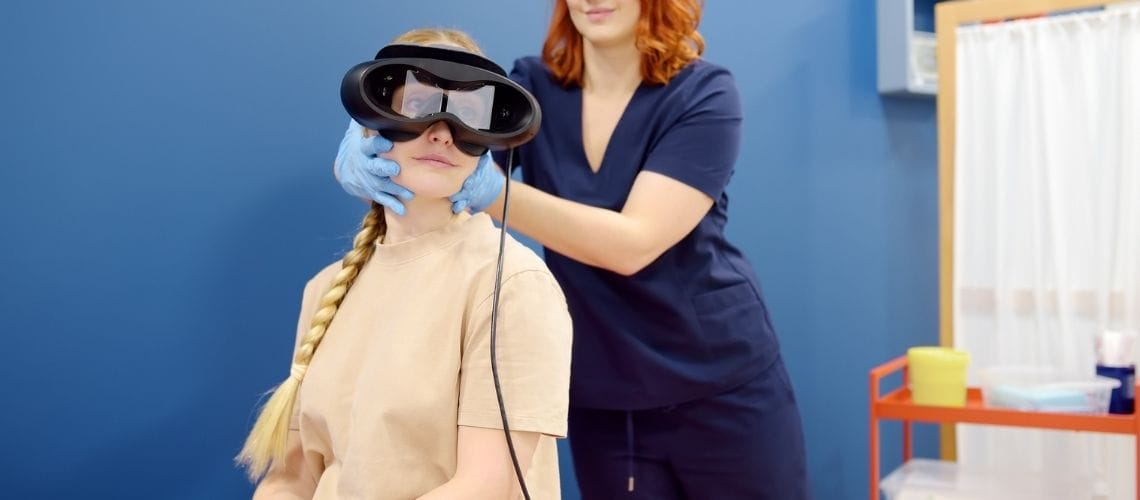
An audiologist may use videonystagmography, positional tests, eye movement examinations, and balance assessments. Since there is no single test that definitively confirms cervical vertigo, other vestibular and neurological causes are ruled out first.
Cervical disc herniation, joint degeneration, muscle spasms, and restricted movement may trigger complaints by affecting cervical sensory information. However, imaging findings alone are not sufficient for diagnosis; audiological and clinical evaluations should be performed together.
Following a whiplash injury, neck pain, restricted movement, and imbalance may begin immediately or within several days. The audiologist investigates trauma-related inner ear involvement and makes an urgent referral if sudden hearing loss or neurological symptoms are present.
When the neck problem is treated appropriately and personalized vestibular rehabilitation is applied, symptoms may decrease significantly. The recovery period varies according to the severity of the trauma, accompanying conditions, and adherence to the exercises.
Gaze stabilization, balance, and neck movement exercises may be beneficial for some people, but incorrect or rapid application may increase symptoms. The exercise program should be planned individually following evaluation by an audiologist and physiotherapist.
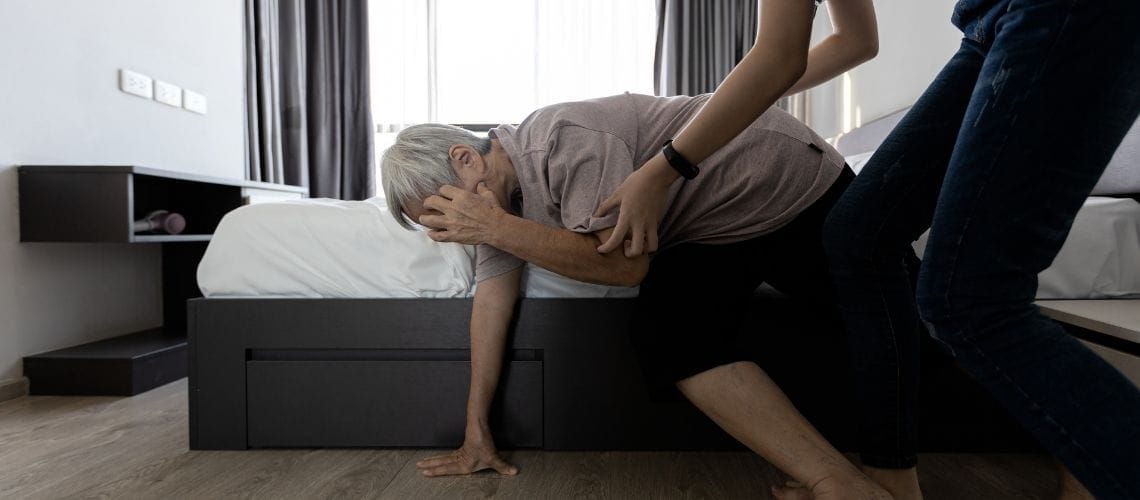
Dizziness, hesitation during neck movements, and slower balance responses may increase the risk of falls in older adults. The audiologist determines the level of risk through balance measurements and creates safe movement recommendations and a vestibular rehabilitation plan.
Stress may increase tension in the neck muscles and make pain, dizziness, and avoidance of movement more pronounced. Anxiety may also intensify the perception of symptoms. Audiological rehabilitation, relaxation techniques, and psychological support may provide benefits together.
If dizziness is accompanied by sudden hearing loss, double vision, speech impairment, facial drooping, weakness in an arm or leg, a severe headache, or an inability to walk, cervical vertigo should not be assumed and urgent medical evaluation should be obtained.

Dr. Audiologist Emel Uğur was born in 1982 in Çanakkale. She specialized in Pediatric Audiology, Otologic Disorders, and Vestibular System Disorders, and served for 15 years at the Istanbul Training and Research Hospital. In 2015, she joined the Acıbadem Healthcare Group. She currently works as an Audiologist at the Acıbadem Altunizade Hospital and also serves as a faculty member and program director in the Acıbadem University Vocational School of Health Services Audiometry Program.









Location of our clinic in Istanbul, Turkey