

 Türkçe
Balance is maintained through the brain’s processing of information received from the visual system, inner ear, and musculoskeletal system. A disorder in any of these systems may lead to a feeling of imbalance and loss of coordination. Balance disorders may be a symptom of many different diseases.
The vestibular system located in the inner ear detects the body’s position and movement. Vision loss, muscle weakness, or nervous system disorders may also negatively affect balance. Therefore, imbalance may not be caused by a single factor.
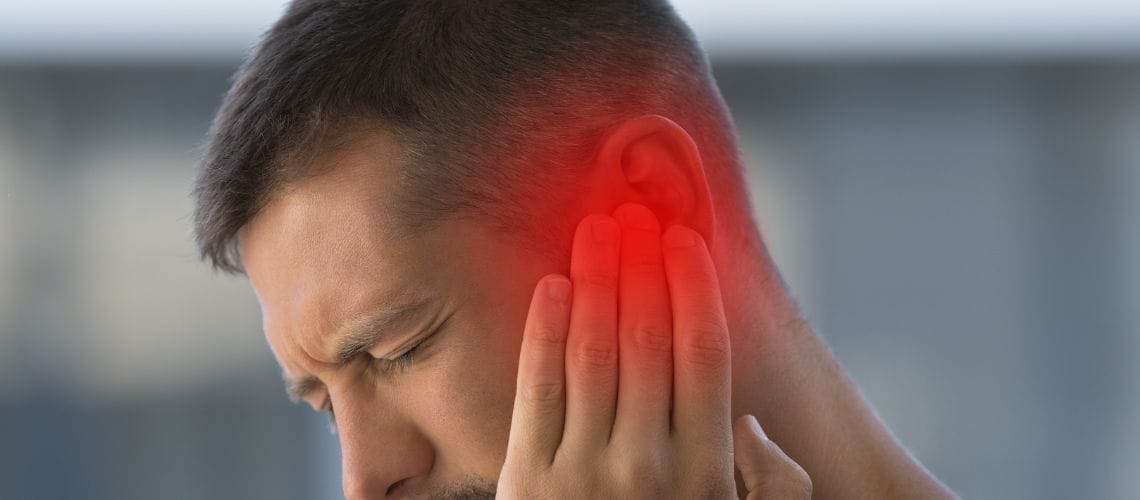
Symptoms of imbalance include dizziness, difficulty walking, lightheadedness, and frequent falls. These symptoms may limit daily activities and, particularly in older adults, lead to a serious risk of injury.
The treatment process depends on the underlying cause. Vestibular rehabilitation, balance exercises, medication, or lifestyle modifications may be recommended. Regular follow-up examinations help keep balance problems under control.
Who Controls Our Balance System?
Although the term “balance” often brings the “inner ear” to mind, three main systems in our body are actually the key players: the visual system (our eyes), the vestibular system located in the inner ear, and the somatosensory (proprioceptive) system associated with our musculoskeletal system. These three systems complement one another much like the defense, midfield, and forwards of a football team.
- Visual System (Our Eyes): Our eyes constantly scan the world around us, telling us where we are and what surrounds us. Think about those moments when you lose your balance in a very dark room. The lack of visual input makes balance control much more difficult.
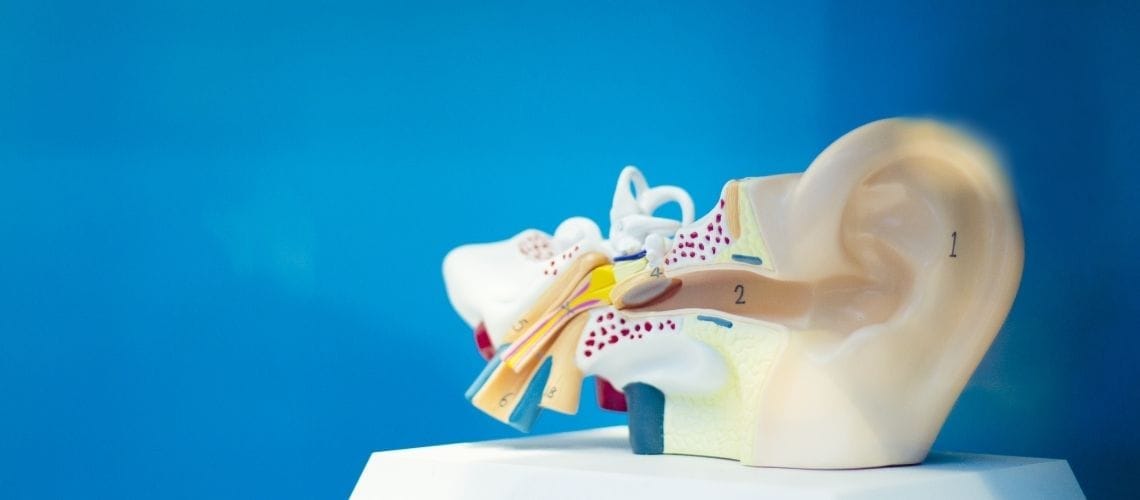
- Vestibular System (The Balance Organ in the Inner Ear): The semicircular canals and otolith organs in the inner ear detect the head’s linear and angular movements as well as the body’s relationship to gravity. When you turn your head from side to side or experience sudden acceleration, the vestibular system quickly activates and sends information to your brain, asking, “Did the head move? How fast was the movement?”
- Somatosensory (Proprioceptive) System: Sensory information from the muscles, tendons, and joints constantly informs you about the position of your body. For example, even with your eyes closed, you can still feel the angle of your raised arm. These sensations help maintain your posture and balance.
When any of these three systems experiences a significant problem, the orchestra begins producing discordant sounds. You may stagger while walking, experience dizziness during sudden head movements, or feel unsteady during movements that would normally be easy.
How Do Our Eyes Affect Balance and Spatial Orientation?
For most people, vision is one of the strongest connections to the outside world. Our brain analyzes the objects, colors, and movements we see to determine our position. For example, while walking, you see an approaching car, estimate its speed and distance, and adjust your steps accordingly.
- Optic Flow: When we are moving, the way surrounding objects are perceived by our eyes changes. For instance, while driving, roadside trees appear to move backward. Our brain uses this “visual flow” information to determine our speed and direction.
- Retinal Slip: This mechanism detects slight shifts between eye movements and incoming visual images. It provides the brain with information about how fast and in what manner our eyes are moving.
If the information coming from our eyes is insufficient or conflicting, the balance system becomes confused. The nauseating dizziness we experience during “seasickness” or “car sickness” is often caused by a mismatch between what the eyes see and what the ears perceive.
How Does the Inner Ear Contribute to Balance?
Deep within the inner ear lies the vestibular system, one of the most important components of our balance organ.
- Semicircular Canals: These three canals detect angular head movements along three-dimensional axes. When you turn your head from side to side or shake it as if saying “no,” fluid movement changes, and tiny hair cells convert this motion into nerve signals. Just as the blades of a windmill turn according to the direction of the wind, the movement of the fluid stimulates the hair cells.
- Otolith Organs (Utricle and Saccule): These structures contain calcium carbonate crystals called “otoconia.” These crystals move within a small gelatinous membrane in response to gravity and linear motion, bending the hair cells. Think about the force you feel in your head when you suddenly accelerate or brake. The otolith organs are responsible for detecting that sensation.
In a way, this system functions like a spirit level filled with water or a compass. Whenever we tilt, bend, or accelerate our head, these delicate fluid movements activate the hair cells, sending messages to the brain such as “you are balanced” or “you are losing your balance.”
How Does Proprioception Help Us Maintain Balance?
There is a sense that many people rarely think about, yet it is indispensable: proprioception (deep sensation). Even with our eyes closed, we know the angle of our arm, the position of our foot on the ground, or even the direction in which our head is tilted.
- Muscle Spindles: These tiny receptors within our muscles detect how much the muscles are stretched. Whenever you lift your foot or jump, they instantly report changes in muscle length to the brain.
- Golgi Tendon Organs: These measure tendon tension. When lifting a heavy object or standing, they provide information about how much force each muscle is producing.
- Joint Receptors: These sense joint angles and pressure. For example, when bending your knee, they continuously inform the brain about how far it has bent and whether excessive force is being applied.
If these receptors do not function properly, your body movements lose their harmony, much like a musical instrument that has gone out of tune. You may feel as though your ankle is “giving way” while walking or experience instability.
How Does the Central Nervous System Control Balance?
Information from the eyes, inner ear, and musculoskeletal system is ultimately integrated within the central nervous system (the brain and spinal cord). One of the most important processing centers is the cerebellum and brainstem.
- Cerebellum: Like the conductor of an orchestra coordinating musicians by following the musical score, the cerebellum combines all incoming sensory information and instructs the muscles on how they should function.
- Brainstem: It primarily manages rapid, reflexive movements, such as instantly regaining balance after stumbling.
The nerve pathways then transmit this information throughout the body. A specialized pathway known as the vestibulospinal tract carries balance signals from the inner ear to the spinal motor neurons, helping maintain posture.
When Does Imbalance Occur?
When people think of imbalance, the first thing that usually comes to mind is “dizziness,” or vertigo. However, imbalance may also be experienced as staggering, feeling as though you are walking in slow motion, blurred vision, or sudden falls.
- Inner Ear Disorders: Benign Paroxysmal Positional Vertigo (BPPV), also known as displaced ear crystals, occurs when tiny calcium crystals enter the semicircular canals, causing vertigo with certain head positions. In Ménière’s disease, imbalance of the inner ear fluid causes tinnitus, hearing loss, and vertigo attacks. Infectious conditions such as vestibular neuritis and labyrinthitis, along with age-related changes such as presbyvestibulopathy, may also produce various forms of imbalance.
- Neurological Disorders: Conditions affecting the brain or nervous system, such as Parkinson’s disease, stroke, and Multiple Sclerosis (MS), may impair balance. If the cerebellum or brainstem is affected after a stroke, balance may be permanently or temporarily impaired. Vestibular migraine, motion sickness disorders, and vestibular paroxysmia are also common conditions with strong vestibular involvement.
- Diabetes and Nerve Damage: In conditions such as diabetic neuropathy, loss of sensation develops in the feet and legs, weakening proprioception and impairing balance.
- Musculoskeletal Disorders: Joint problems, injuries, rheumatic diseases, and conditions affecting the lower back, hips, or knees negatively influence walking and posture.
- Blood Pressure Fluctuations: A sudden drop in blood pressure upon standing (orthostatic hypotension) commonly causes temporary dizziness and sometimes a feeling of faintness.
- Psychological Factors: Severe anxiety, panic attacks, or depression may also cause imbalance and dizziness in some individuals.
How Do Age-Related Changes Affect Our Balance?
As we age, many systems in our body naturally slow down or become less sensitive. In a way, a musical instrument that once played flawlessly gradually wears out and can no longer produce perfect notes.
- Presbyvestibulopathy: The vestibular system naturally undergoes degeneration with age. Sensory and nerve cells may lose sensitivity and decrease in number. Medications, previous infections, and systemic diseases may accelerate the decline in balance function. Although the complex nature of balance often makes this less noticeable, navigation skills and even cognitive functions may also be affected.
- Cervicogenic Pathologies: The neck is a unique and complex structure connecting the head to the body while allowing independent movement. Orthopedic conditions such as cervical straightening and herniated discs, as well as vascular problems such as plaque formation or narrowing of the neck arteries, may cause dizziness and imbalance, especially during head movements.
- Reduced Muscle Strength and Flexibility: Loss of muscle mass, known as sarcopenia, particularly weakens the leg muscles and makes maintaining balance more difficult. Older adults often struggle more when climbing stairs because their muscles cannot respond quickly or forcefully enough.
- Joint Stiffness and Osteoarthritis: Arthritis affecting joints such as the knees and hips limits mobility. Even minor pain in the musculoskeletal system can interfere with the adjustments needed to maintain balance.
- Decline in Sensory Systems: Vision and hearing impairments, along with reduced proprioceptive feedback, become more common with aging. It is as though members of an orchestra have fewer musical notes or the soloists can no longer project their voices.
- Slower Reaction Time: One of the most significant age-related changes is the slowing of reaction time. The brain can no longer process incoming information or send signals to the muscles as quickly as before. As a result, corrective movements are delayed when there is a risk of falling.
As a consequence, the risk of falls increases significantly in older adults. Therefore, physical exercise, muscle strengthening, balanced nutrition, and regular medical check-ups are essential for minimizing age-related balance problems.
What Role Does Blood Pressure Play in Maintaining Balance?
Proper and consistent blood flow is essential for all organs, including the brain, to function normally.
- Cerebral Blood Flow: If blood flow to the brain is insufficient, as may occur with low blood pressure or cardiac arrhythmias, dizziness, lightheadedness, and even fainting may develop.
- Baroreceptors: Specialized receptors located in the walls of major blood vessels, such as the aorta and carotid arteries, detect blood pressure changes and relay this information to the brain. They help prevent sudden drops in blood pressure when we stand up. If this system is impaired, orthostatic hypotension may occur, disrupting balance.
Especially in older adults or individuals with cardiovascular disease, sudden position changes increase the risk of dizziness and falls. Therefore, it is important to move slowly when standing up or getting out of bed.
How Do Injuries Affect Balance?
Imagine spraining your ankle while exercising. For a while, you limp as you walk. Due to swelling and pain, you adopt a different posture while placing weight on your foot. As a result, abnormal stress develops on the hip, lower back, or spine. The body’s attempt to compensate may eventually lead to new pain or balance problems.
- Musculoskeletal Injuries: Conditions such as ankle sprains, knee injuries, or hip replacement surgery not only cause pain but also alter your walking pattern.
- Neck Injuries (Whiplash): Common after motor vehicle accidents, these injuries may disrupt proprioceptive input if the neck muscles and vertebrae are affected.
- Brain Injuries: Head trauma affecting the brainstem or cerebellum may lead to long-term or permanent imbalance. In addition, head injuries may sometimes result in complex forms of BPPV, requiring careful evaluation.
During rehabilitation, balance exercises, muscle strengthening, and restoring proper posture are extremely important. Remaining inactive for prolonged periods after an injury may also result in muscle loss and further deterioration of balance.
How Do Psychological Factors Affect Our Balance?
Sometimes imbalance may occur even when there is no obvious physical problem. Severe stress, anxiety disorders, panic attacks, or depression may all be accompanied by dizziness and imbalance.
- Stress and Anxiety: These increase your heart rate, tighten your muscles, and impair concentration. In such situations, it is as though the members of an orchestra panic and can no longer hear one another.
- Breathing Changes: Rapid, shallow breathing during anxiety may alter carbon dioxide levels in the blood, leading to dizziness, lightheadedness, and sometimes imbalance.
In such situations, addressing the underlying anxiety disorder, seeking psychological support when necessary, and practicing relaxation exercises are important. However, a comprehensive vestibular evaluation should always be performed before concluding that psychological factors are responsible. Many cases initially attributed to psychogenic dizziness are later diagnosed as PPPD.
What Lifestyle Changes Can Help Protect Our Balance?
There are certainly several basic strategies that anyone experiencing balance problems or wishing to improve balance can apply in daily life. However, it should be remembered that consulting an audiologist (a hearing and balance specialist) is often the most important first step. This is because balance disorders originating from the inner ear or neurological conditions require identifying the exact source of the problem and developing a specific treatment plan under the guidance of a specialist.
Treatment Methods an Audiologist May Provide
Vestibular Assessment:
- Videonystagmography (VNG) or Electronystagmography (ENG): Evaluates the function of the vestibular system (the balance organ of the inner ear) by analyzing eye movements.
- VEMP (Vestibular Evoked Myogenic Potentials): Assesses the function of the otolith organs (utricle and saccule) within the inner ear.
- vHIT (Video Head Impulse Test): Evaluates the semicircular canals and the vestibulo-ocular reflex (VOR).
- Posturographic Assessments
- Audiological Examination (Evaluation of hearing function)
Treatment Options
Canal Repositioning (Epley, Semont, etc.): If BPPV (displaced crystals) is diagnosed, the audiologist or relevant specialist performs specific repositioning maneuvers to return the crystals to their proper location. These procedures usually provide rapid relief.
- Vestibular Rehabilitation Exercises
Specialized exercises are planned to improve head-eye coordination, maintain balance, and reduce vertigo attacks.
Through adaptation exercises involving proprioception (deep sensation), visual tracking, and head movements, the brain learns to adjust to new or altered sensory input.
- Hearing-Related Interventions and Device Recommendations
If hearing loss accompanies the balance disorder, the audiologist performs hearing tests and may recommend solutions such as hearing aids or cochlear implants when appropriate.
- Diet and Lifestyle Counseling
Lifestyle modifications, such as reducing salt intake, are particularly recommended for conditions such as Ménière’s disease, which involves recurrent balance attacks.
Simple but effective lifestyle changes, such as maintaining proper hydration and avoiding caffeine and alcohol, are also recommended.
- Follow-up and Advanced Treatments
Regular follow-up tests are performed to monitor treatment effectiveness.
When necessary, collaboration is established with other specialists, such as otolaryngologists (ENT physicians) or neurologists.
What Should We Do When We Experience a Balance Disorder?
- Hold onto something stable or sit down in a safe place. If the dizziness continues, it may be more helpful to focus on a fixed point rather than closing your eyes. Try to remain calm by taking slow, deep breaths.
- It is advisable to schedule an appointment with your audiology specialist for an examination. Depending on your condition, your audiologist will determine and perform the necessary tests. It should be remembered that balance tests often need to be repeated because they are dynamic measurements used to determine the balance disorder and its severity at that specific time.
- Some medications, such as those used for high blood pressure, heart rhythm disorders, or psychiatric conditions, may cause dizziness or imbalance. You can consult your physician to review these side effects and discuss possible alternatives.
What Precautions Can Be Taken at Home to Reduce the Risk of Falls?
Especially in older adults or individuals with balance disorders, accidents at home may result in serious injuries. Some simple precautions include:
- Secure Cables and Rugs: Loose electrical cords or curled-up rug corners in living rooms or hallways increase the risk of tripping and falling.
- Improve Lighting: Poor lighting, particularly when getting up at night to use the bathroom, makes maintaining balance more difficult. Motion-sensor night lights may be installed in hallways.
- Bathroom Modifications: Non-slip mats, grab bars, and, if necessary, a shower seat are effective ways to prevent falls.
- Keep Frequently Used Items Within Easy Reach: Placing commonly used kitchen items on accessible shelves reduces the need to climb or reach high places, lowering the risk of falls.
The Importance of Physical Therapy and Rehabilitation in Balance Disorders
So, what treatment methods are used for balance disorders? Many people believe physical therapy and rehabilitation are only for neck or back pain, but balance rehabilitation is also widely used.
- Vestibular Rehabilitation: There are specialized exercises for balance disorders originating from the inner ear. Vestibular exercises involve simultaneous eye and head movements and promote the brain’s adaptation.
- Proprioceptive Training: Using specialized equipment such as balance boards and balance cushions helps improve the sensitivity of your muscles and joints.
- Gait Training: Some patients, particularly those recovering from stroke or neurological disorders, relearn walking techniques and posture. This training significantly reduces the risk of falls.
Balance Is the Body’s Magnificent Orchestration
Balance is far more than simply “standing upright.” It is a complex and remarkable process. It is a symphony in which our eyes scan the environment, the inner ear monitors tiny fluid movements, internal signals from our muscles are transmitted to the brain, and the brain processes this information at lightning speed before sending commands back to the muscles.
However, this symphony may occasionally become disrupted. With age, the orchestra members grow tired. Injuries or illnesses may silence some of the instruments, while external factors such as alcohol, medications, sleep deprivation, or stress may temporarily throw the orchestra into disorder. Nevertheless, with the right approach—including exercise, proper nutrition, and medical treatment when necessary—it is possible to restore this symphony to a level that is as close to perfection as possible.
It should never be forgotten that our balance directly affects our quality of life. The more freely we can walk, comfortably climb stairs, enjoy being outdoors, and participate in activities without constantly wondering, “Will I fall?”, the greater our comfort becomes. Protecting your body, maintaining muscle strength, seeking professional support when necessary, and adopting a lifestyle that supports balance are all important steps toward a healthy and active life.
Frequently Asked Questions
Balance is maintained through the coordinated function of the inner ear, eyes, muscles, joints, and brain. When one of these systems is disrupted, the information reaching the brain becomes inconsistent, resulting in imbalance and dizziness.
The vestibular system in the inner ear detects head movements and the body’s position, transmitting this information to the brain. When this structure is affected, dizziness, loss of balance, and a feeling of instability during movement may develop.
BPPV, vestibular neuritis, Meniere’s disease, migraine, aging, certain medications, and neurological disorders may all lead to imbalance. A detailed evaluation of symptoms and appropriate testing are essential for an accurate diagnosis.
Frequent falls, staggering while walking, dizziness, blurred vision, nausea, and a feeling of instability during movement may indicate a problem with the balance system. If these symptoms persist, specialist evaluation is necessary.
An audiological evaluation allows detailed examination of both the hearing and vestibular systems. Tests such as v-HIT, VEMP, and other balance assessments help identify the source of the problem so that an appropriate treatment and rehabilitation plan can be developed.
Vestibular rehabilitation consists of specialized exercises that help the brain adapt to the balance system again. Personalized programs designed by an audiologist may improve balance and reduce the risk of falls.
As we age, the functions of the inner ear, vision, and musculoskeletal system gradually decline. These changes make balance control more difficult and increase the risk of falls. Regular exercise and periodic evaluations may help protect balance.
Regular physical activity, adequate sleep, healthy nutrition, and sufficient hydration support the balance system. A sedentary lifestyle, excessive stress, and certain habits may worsen imbalance symptoms.
If balance loss is accompanied by speech difficulties, weakness in an arm or leg, severe headache, changes in consciousness, or sudden hearing loss, emergency medical evaluation should be sought immediately.
The likelihood of recovery depends on the underlying cause of the balance disorder. With early diagnosis, appropriate treatment, and regular vestibular rehabilitation, symptoms may be significantly reduced and quality of life improved in many patients.

Dr. Audiologist Emel Uğur was born in 1982 in Çanakkale. She specialized in Pediatric Audiology, Otologic Disorders, and Vestibular System Disorders, and served for 15 years at the Istanbul Training and Research Hospital. In 2015, she joined the Acıbadem Healthcare Group. She currently works as an Audiologist at the Acıbadem Altunizade Hospital and also serves as a faculty member and program director in the Acıbadem University Vocational School of Health Services Audiometry Program.










Location of our clinic in Istanbul, Turkey