

 Türkçe
Hearing perception of music in individuals with hearing loss is the process of reinterpreting the aesthetic components of sound, such as rhythm, pitch, and timbre, in the brain by overcoming damaged inner ear structures through technological support and clinical algorithms. Thanks to successful auditory rehabilitation and personalized audiological assessment protocols, hearing aid or cochlear implant users not only understand daily conversations but also rediscover the rich world of musical notes. When this approach, centered on the brain’s flexibility to relearn sounds, is combined with proper device adjustments and active musical practice, it offers a dynamic recovery process that directly enhances the individual’s quality of life, emotional well-being, and social connections.
How and Why Does Hearing Loss Affect Music Perception?
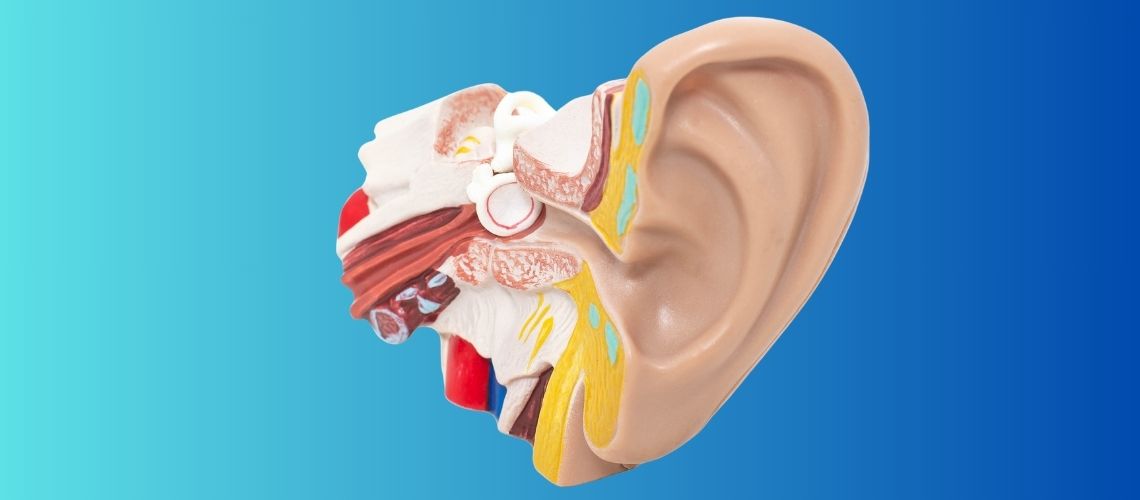
We can think of the inner structure of our ear, especially the snail-shaped part called the cochlea, as a giant and perfectly tuned grand piano. Inside this piano are thousands of microscopic hair cells responsible for detecting sound waves and transmitting them to the brain. Some of these cells respond only to very low and deep sounds, while others are sensitive to very high-pitched sounds such as birdsong. When sensorineural hearing loss occurs, some of these inner hair cells become damaged or lose their function. You can imagine this as if some of the keys on a piano have been removed or broken. Even though sound continues to reach the ear, the instrument inside operates with missing keys, preventing the complete melody from being accurately transmitted to the brain.
Everyday speech sounds generally use the keys in the middle section of this piano. Therefore, with appropriate support, an individual with hearing loss can comfortably understand what the person in front of them is saying. Music, however, is a magnificent performance in which all the keys, from the deepest note on the far left to the highest note on the far right, are played simultaneously and at great speed. Moreover, the volume of music can suddenly rise and fall. A damaged inner ear struggles to process such a wide frequency range and sudden intensity changes at the same time. As a result, even favorite songs may sometimes be perceived as a confusing, chaotic mass of noise.
Why Do Hearing Aids Struggle with Music Perception?
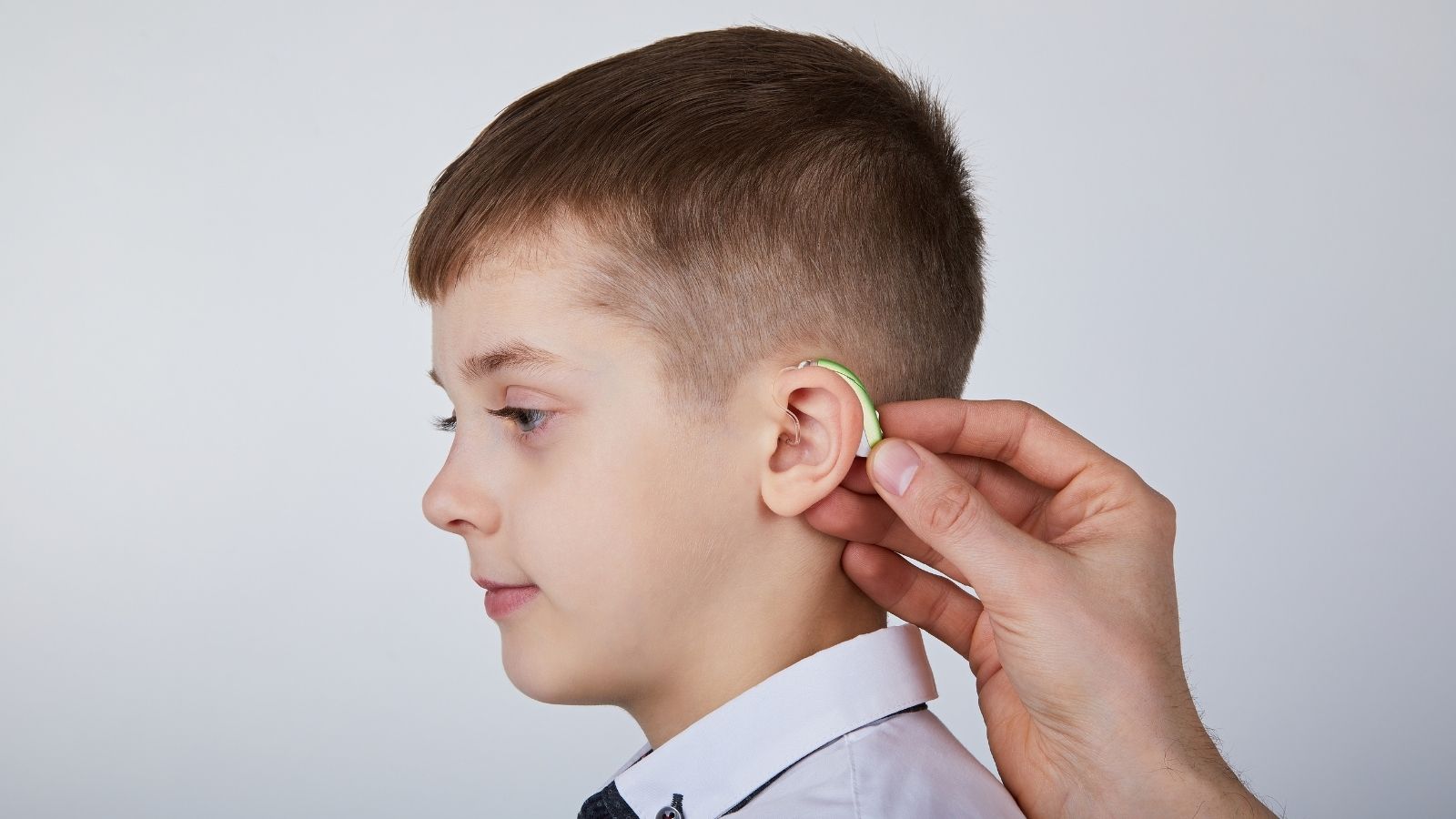
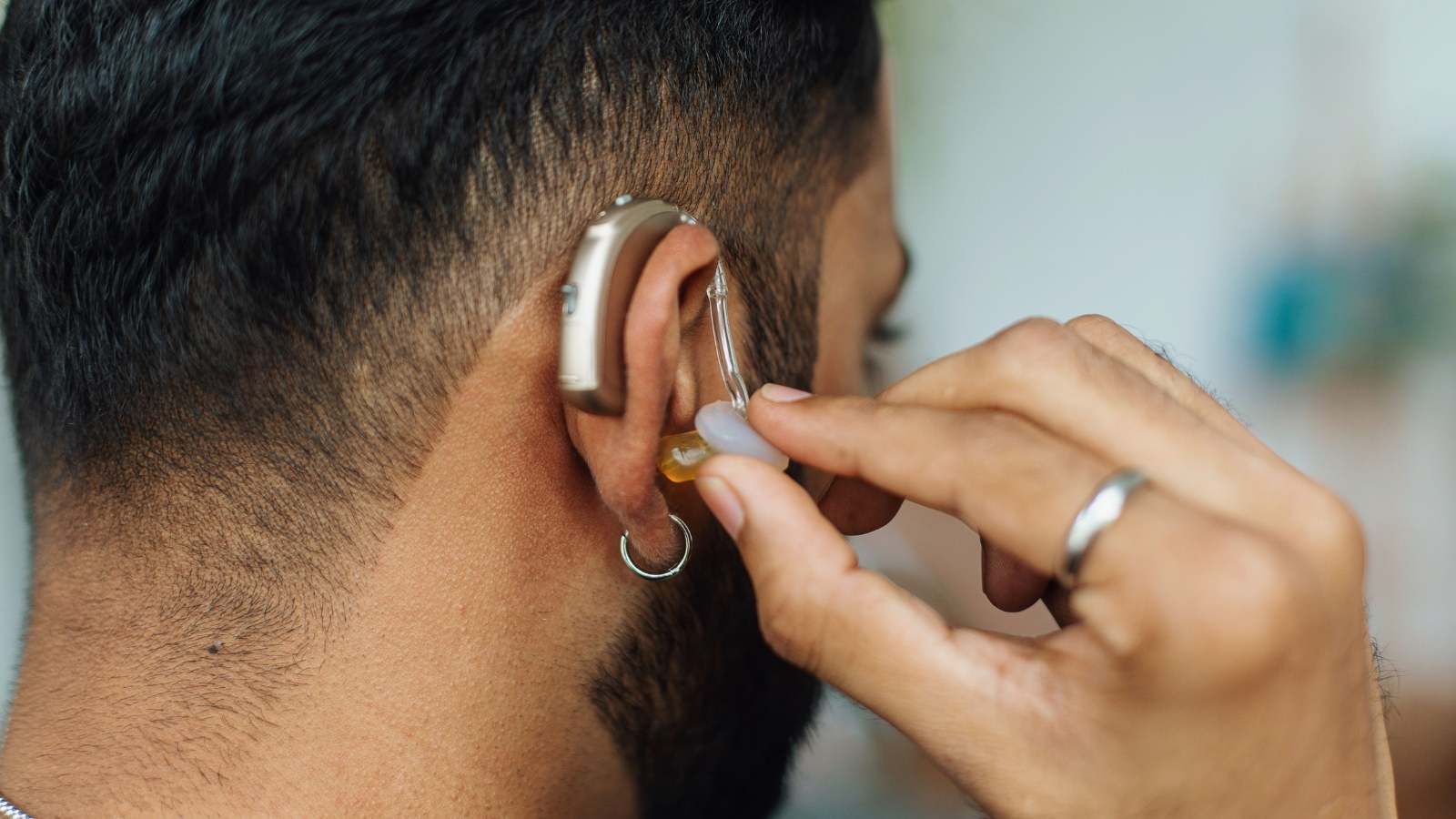
Modern digital hearing aids are extremely powerful miniature computers that fit behind or inside the ear. However, the fundamental philosophy and software behind these devices are primarily designed to make human speech understandable under all conditions. For example, while sitting in a crowded and noisy restaurant, your device attempts to suppress background sounds such as clattering dishes, air conditioning noise, and surrounding conversations while emphasizing only the voice of the person speaking to you. To achieve this, it uses a technology called “compression.” Compression is like an automatic safety brake that reduces sudden and loud sounds within milliseconds to prevent discomfort.
However, when it comes to music, this excellent safety system becomes an obstacle. Music naturally contains sudden crescendos, powerful drumbeats, and explosive orchestral passages. The hearing aid interprets these powerful musical peaks as “noise” or a threat that could damage the ear and immediately reduces the volume. When the sound suddenly becomes muffled at the most exciting part of a song, the emotional dynamics and spirit of the music disappear. This compressed and filtered sound reaches the listener in a highly mechanical, flat, and lifeless manner. The device’s outstanding effort to preserve speech unfortunately causes the natural beauty of music to be lost.
What Challenges Does Music Perception Face with Cochlear Implant Use?
For individuals with severe or profound hearing loss, cochlear implants are truly one of modern medicine’s miracles. This system completely bypasses the damaged inner ear and transmits sound directly to the auditory nerve through electrical stimulation. However, there is a significant gap between natural hearing and electrical hearing in terms of music perception. While a healthy ear contains tens of thousands of hair cells for analyzing sound, the electrode array of a cochlear implant generally consists of between twelve and twenty-two channels.
To explain this with a visual example, imagine normal hearing as a high-resolution nature photograph containing millions of colors. The sound provided by a cochlear implant resembles the same photograph displayed with only a few colors and at a very low resolution, appearing mosaic-like (pixelated). The brain attempts to reconstruct the complete picture using these rough electrical signals. Thanks to this system, individuals can understand conversations perfectly and even talk on the telephone. However, distinguishing the sound of a piano from that of a guitar or perceiving the subtle vibrations in a singer’s voice requires tremendous effort and a long adaptation process due to these limited electrical channels.
What Are the Fundamental Components of Music Perception?
Music is a complex structure that requires the brain to process numerous mathematical and physical elements simultaneously. For a song to sound pleasant, each of these components must be perceived accurately. Understanding the fundamental building blocks of music is essential for understanding the musical experiences of individuals with hearing loss.
The fundamental building blocks of music are:
- Rhythm
- Pitch
- Timbre
- Dynamic range
- Tempo
- Harmony
Rhythm is the heartbeat of music and represents its progression through time. Individuals with hearing loss are often highly successful at perceiving rhythm and timing even if they cannot hear frequencies clearly. Pitch determines how high or low a sound is. Recognizing a singer’s voice or humming a melody depends entirely on pitch perception, making it the component most affected by hearing loss. Timbre is the color of sound. Even with your eyes closed, you recognize whether the instrument playing is a flute or a violin thanks to timbre. Dynamic range refers to the difference in volume from the softest whisper to the loudest roar in music. The emotional intensity of a song is entirely conveyed through this dynamic range.
Which Scientific Tests Are Used to Measure Music Perception in Türkiye?
To solve a problem and establish the correct roadmap, it is first necessary to measure the current situation with great precision. Scientifically validated tests specifically adapted to the Turkish population are used to evaluate individuals’ musical abilities and sound perception capacity. The Turkish Music Perception Test is among the most trusted methods in this field.
This test is conducted in a quiet, computer-assisted environment using specially calibrated studio-quality headphones. Individuals are asked to identify differences between melodies, distinguish musical instruments, and recognize rhythmic patterns. The obtained data reveal that age does not have a dramatically negative effect on music perception. The truly exciting finding concerns brain plasticity (neuroplasticity). Statistics show that individuals who are more interested in music and listen to it more frequently in their daily lives achieve significantly higher test scores despite technological limitations. In other words, the brain continuously reprograms and improves itself to learn the sounds it is exposed to.
How Are Auditory and Music Perception Evaluated During Childhood?
Infancy and childhood are the periods when the brain is most eager to interpret sounds and develops most rapidly. Auditory perception skills acquired during this period directly influence everything from learning to read and write in school to foreign language abilities and even mathematical intelligence. To measure musical and auditory abilities in children, special developmental tests are used that do not exceed their attention span or unnecessarily burden their memory.
These tests provide highly valuable information about how the right and left hemispheres of the child’s brain process sounds. During the developmental assessment process, special indices are obtained that reveal the child’s auditory profile.
The main assessment indices provided by the DTAP test are:
- Language auditory perception index
- Non-language auditory perception index
- Combined auditory perception index
- Background noise index
The language auditory perception index demonstrates how the left side of the brain processes words, letters, and speech sounds. The non-language auditory perception index measures how the right side of the brain understands musical tones, natural sounds, and rhythms. The background noise index is an extremely critical measurement simulating how well the child can focus on the teacher’s voice in a crowded and noisy classroom environment.
What Fine-Tuning Adjustments Improve Music Perception in Hearing Aids?
If a hearing aid user complains that music sounds muffled, metallic, or lifeless, there is a high probability that the device is still using its standard speech settings. At this point, professional intervention is required to perform “fine-tuning” and add a completely music-specific listening program to the device. Using advanced software, the device’s responses to sound are reconfigured much like a studio sound engineer would.
The main parameters adjusted during the fine-tuning process are:
- Frequency compression ratio
- Noise reduction level
- Feedback cancellation threshold
- Dynamic range width
- Microphone directionality
Once these settings are applied, the device’s operating logic changes completely. By lowering the noise reduction level, sustained piano notes or violin sounds are prevented from being mistaken for air conditioner noise and suppressed by the device. The feedback cancellation threshold is relaxed so that the pure sound of a flute is not confused with the device’s own feedback whistle. By adjusting microphone directionality, instead of focusing only on sounds coming from the front, the full acoustic richness of the environment is naturally delivered to the ear. As a result of these adjustments, music begins to breathe again and regains its natural quality.
How Is Music Perception Regained in Cochlear Implant Users?
When sounds are first heard after implant surgery, they are generally described as robotic, thin, or meaningless clicking noises. Listening to music for the first time at this stage is like listening to a completely unfamiliar foreign language. Music becomes enjoyable again not when the device is activated, but when the brain learns to interpret this new electrical language. This process is called auditory rehabilitation and music training.
The most important rule in this training is to stop being a passive listener and become an active participant. Simply sitting down and turning on the radio does not sufficiently stimulate the brain. Tapping on a table to keep rhythm while a song is playing and following the song lyrics on paper or on a screen help the brain match the complex electronic sounds it hears with visual information. When the brain combines the written word with the heard signal, those robotic sounds gradually transform into familiar, warm, and meaningful melodies. This is an extraordinarily powerful process of cellular learning.
What Stages Does Music Perception Go Through During Auditory Rehabilitation?
The way sounds are learned by the brain is never random; it always follows a specific sequence and hierarchy. Just as a baby first produces sounds, then syllables, and finally sentences while learning to speak, music perception in auditory rehabilitation is built step by step.
The fundamental stages of auditory rehabilitation are:
- Detection
- Discrimination
- Recognition
- Comprehension
The detection stage is the most basic level. The individual simply perceives that music has started or stopped. During the discrimination stage, the brain begins making comparisons, recognizing that two consecutive notes or two different musical instruments are not the same. At the recognition stage, the individual can identify the instrument being heard or remember that the song playing is a favorite old piece. At the final stage of comprehension, the individual effortlessly understands the song lyrics and deeply experiences the joy, sadness, or energy conveyed by the music.
How Do Special Therapy Methods Contribute to Music Perception?
Sometimes adjusting hearing aids or performing conventional listening exercises may not be sufficient for the brain to process sounds correctly. Particularly for individuals who are overly sensitive to sounds, become quickly fatigued in crowded environments, or struggle to maintain attention, specialized therapy methods in which music itself is used as a treatment tool come into play.
One such method involves systems that train the brain by filtering sound. Using specialized devices, individuals listen through high-quality studio headphones to music in which specific frequencies have been modified and modulated. These specially prepared musical pieces train the muscles in the ear and the auditory pathways in the brain much like exercising in a gym. As a result, excessive sensitivity to sound decreases, auditory attention span increases, and the ability to determine the direction and source of sounds improves dramatically. Delivering sounds in a balanced way to both the right and left hemispheres of the brain not only deepens musical perception but also eliminates communication fatigue in daily life.
What Should Be Practiced in Daily Life to Improve Music Perception?
Improving music perception should not be limited to tests performed in clinical settings but should be pleasantly integrated into everyday life. When beginning training, instead of listening to large symphony orchestras or highly complex electronic pop songs, it is better to choose simpler sounds that will not overwhelm the brain. Since rhythm perception is the aspect least affected by hearing loss, starting practice with percussion instruments is much more encouraging.
The following simple instruments can be preferred for daily listening practice:
- Drums
- Tambourine
- Piano
- Acoustic guitar
- Flute
- Cello
The acoustics of the environment chosen for listening to music are just as important as the piece being played. Listening to music in an empty room with bare walls where sound echoes causes sounds to blend together and creates reverberation. Listening to music in rooms with softer acoustics, where carpets, thick curtains, or upholstered furniture absorb echoes, allows musical notes to be perceived much more clearly and distinctly.

Dr. Audiologist Emel Uğur was born in 1982 in Çanakkale. She specialized in Pediatric Audiology, Otologic Disorders, and Vestibular System Disorders, and served for 15 years at the Istanbul Training and Research Hospital. In 2015, she joined the Acıbadem Healthcare Group. She currently works as an Audiologist at the Acıbadem Altunizade Hospital and also serves as a faculty member and program director in the Acıbadem University Vocational School of Health Services Audiometry Program.









Location of our clinic in Istanbul, Turkey