

 Türkçe
Meniere’s disease is a severe condition characterized by hearing loss and attacks of dizziness. The main complaints of Meniere’s patients arise from sudden crises that paralyze daily life and the constant sense of uncertainty caused by never knowing when these attacks will occur. This feeling is so intense that Meniere’s patients are often even willing to give up their hearing completely.
Patients’ comments generally focus on the fear of completely losing control of daily life, social isolation, and anxiety about not being understood by those around them. The problems expressed are not limited to physical symptoms; the devastating effect of this condition on work and family life and the serious decline it causes in quality of life are also among the most frequently emphasized complaints. These experiences reveal that Meniere’s is not only a medical condition but also a profound psychosocial challenge.
What Does a Meniere’s Patient Experience and What Are the Main Complaints?
Meniere’s disease generally presents with four main interrelated complaints. These complaints form a set of events that deeply affect the patient’s quality of life and turn daily living into something like a minefield. These symptoms may not always occur at the same time, but over time they come together to form the Meniere’s picture. These main complaints are:
- Severe dizziness (vertigo) attack
- Fluctuations in hearing and permanent hearing loss
- Ringing in the ear (tinnitus)
- A feeling of fullness or pressure in the ear
What Does a Meniere’s Dizziness (Vertigo) Attack Feel Like?
The condition patients describe by saying “my head is spinning” is certainly not a simple feeling of lightheadedness. A Meniere’s attack is one of the most severe and uncontrollable experiences a person can have in life. It is literally a “crisis.” Patients describe this moment as though they have been placed inside a barrel and rolled downhill, with the ground slipping beneath their feet, the walls closing in on them, and an intense spinning sensation. This is not merely a loss of balance but also a frightening experience in which physical control is completely lost.
One patient’s description of the condition as “being extremely drunk and experiencing the worst hangover of the next day at the same time” clearly demonstrates the severity of the situation. This intense spinning sensation is almost always accompanied by other discomforts. Additional symptoms commonly experienced during an attack include:
- Severe nausea
- Vomiting
- Cold sweating
- Palpitations
These symptoms are so intense that the patient usually cannot even open their eyes, cannot move their head even slightly, and can only lie down on a firm surface and wait for the attack to pass. An attack may last from 20 minutes to 12 hours. For the patient, this period is a moment of physical torture and intense psychological collapse.
However, the greatest enemy of a Meniere’s patient is not the attack itself but the fact that there is never any certainty about when it will occur. This uncertainty transforms the condition from a disease consisting of intermittent crises into constant “anticipatory anxiety.” Questions such as “What if it happens while I am driving?”, “What if it starts in the middle of an important meeting?”, and “What if I fall while I am alone in the street?” constantly occupy the patient’s mind. Over time, this fear may cause the person to withdraw from social life, avoid making plans, and confine themselves to home.
In the later years of the disease, usually after 8-10 years, the frequency and severity of vertigo attacks decrease in many patients and may sometimes stop completely. This condition is called “vestibular burnout” and may be considered a kind of adaptation of the body’s balance system to the situation.
What Are “Drop Attacks” in Meniere’s Disease?
In approximately 10% of Meniere’s patients, a much more dangerous condition known as “Tumarkin’s otolithic crisis” may occur. Patients describe it as suddenly having their legs give way and collapsing to the ground without any warning. There is no loss of consciousness during this event; the person is aware of what is happening but cannot control their body. These drop attacks may be life-threatening, especially while going up or down stairs, driving, or engaging in activities such as swimming alone.
What Are Hearing and Tinnitus Complaints Like in Meniere’s Disease?
Meniere’s is not only a balance disorder; it also targets the hearing system. Auditory complaints are important factors that reduce the patient’s quality of life at least as much as vertigo attacks.
Fluctuating Hearing Loss: One of the most typical complaints of patients is that their hearing is “sometimes good and sometimes bad.” During attack periods, hearing decreases noticeably and a feeling of blockage develops in the ear. After the attack passes, hearing may improve temporarily. In the early stages of the disease, this loss is particularly noticeable in low-pitched sounds. Patients may complain that “I have difficulty hearing male voices or deep sounds.” This fluctuation is psychologically very exhausting. Each improvement creates hope, while each worsening creates disappointment. Unfortunately, as the disease progresses, these fluctuations decrease and the hearing loss becomes permanent, potentially affecting all frequencies over time and reaching advanced levels.
Tinnitus: A sound heard continuously or intermittently in the affected ear is an inseparable part of Meniere’s disease. The character of this sound varies from person to person. Commonly described tinnitus sounds include:
- Roaring
- Hissing
- Buzzing
- Ringing
- A seashell sound
The intensity of tinnitus also usually fluctuates. Many patients notice that the tinnitus becomes louder or changes character immediately before a vertigo attack begins. This turns tinnitus into a kind of “early warning system.” Over time, tinnitus may also become permanent like hearing loss and may negatively affect the patient’s concentration, sleep pattern, and psychological condition.
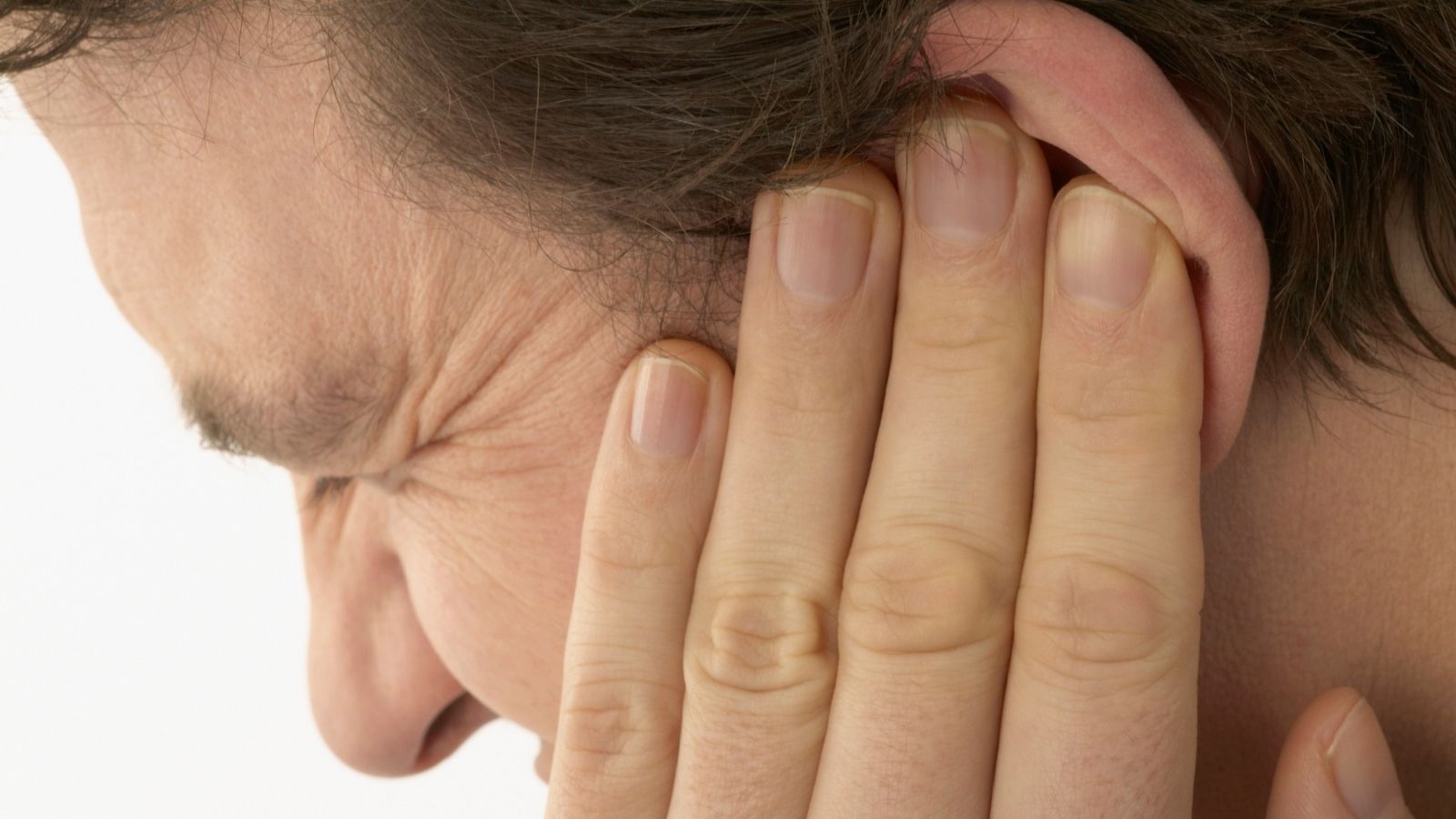
A Feeling of Fullness in the Ear: Another complaint frequently expressed by patients is a feeling of pressure, blockage, or fullness in the ear. This sensation is more than a simple discomfort and is often a sign of an approaching attack. Experienced patients understand that an attack is coming when the fullness in their ear increases and try to take precautions accordingly, such as moving to a safe place or taking medication.
Why Does Diagnosing Meniere’s Disease Take So Long?
The path to a Meniere’s diagnosis is often like a long and exhausting maze for patients. There are several main reasons for this. First, not all symptoms may appear together at the beginning of the disease. Sometimes only hearing loss and tinnitus occur for years, and vertigo is added later. Sometimes the opposite happens, with only vertigo attacks occurring and hearing problems emerging years afterward. This makes it difficult for the first physicians consulted to make the correct diagnosis.
The second and most important reason is that Meniere’s is a “diagnosis of exclusion.” In other words, there is no single blood test or X-ray that definitively proves the presence of Meniere’s disease. Diagnosis is the result of the patient’s typical history, audiological test findings, and the elimination of all other diseases that may cause similar symptoms. This elimination process requires time, patience, and detailed examination. It is not uncommon for patients to visit different doctors for months or even years, try various treatments, and become deeply discouraged during this process before receiving a diagnosis.
What Conditions Can Meniere’s Disease Be Confused With?
Because Meniere’s symptoms resemble those of many other diseases, the diagnostic process becomes complicated. This is why patients are frequently misdiagnosed. The conditions most commonly confused with Meniere’s include:
- Vestibular Migraine
- Benign Paroxysmal Positional Vertigo (BPPV – Displaced Ear Crystals)
- Vestibular Neuritis
- Labyrinthitis
- Acoustic Neuroma (Vestibular Schwannoma)
- Brain and vascular diseases
- Anxiety and panic disorders
Among these conditions, Vestibular Migraine is the one most commonly confused with Meniere’s. Just like Meniere’s, Vestibular Migraine may cause attacks of dizziness, fluctuations in hearing, and tinnitus. However, the treatment approaches are completely different. Therefore, obtaining a very detailed patient history and questioning migraine-related features such as headache, sensitivity to light or sound, and family history are critically important for an accurate diagnosis. Discovering that a patient who has been followed for years with a diagnosis of Meniere’s actually has Vestibular Migraine, and seeing their complaints improve with the correct treatment, provides great relief for both the patient and the physician.
How Does an Audiologist Contribute to the Diagnosis of Meniere’s Disease?
The audiologist is one of the key figures in the diagnosis and follow-up process of Meniere’s disease. Their role is to transform the patient’s subjective complaints, such as “I can hear but I cannot understand” or “my ear feels blocked,” into objective and measurable data. These data make it possible both to confirm the diagnosis and to monitor the course of the disease.
- The Importance of Hearing Tests (Audiometry): Audiometry, or the hearing test, is the cornerstone of Meniere’s diagnosis. For a diagnosis of “definite Meniere’s,” hearing loss must be documented with an audiogram. The audiogram converts the hearing problem described by the patient into concrete evidence. Seeing a decline particularly in low-pitched sounds strengthens the suspicion of Meniere’s. This test also has psychological importance for the patient. For a patient who has been unable to understand what is happening for months and may even have been thought by those around them to be exaggerating their complaints, the audiogram report in their hand is proof that what they are experiencing is “real.” This allows the patient to feel validated. Repeated tests over time provide an invaluable roadmap for monitoring disease progression and deciding when interventions such as hearing aids may become necessary.
- The Role of Balance Tests: Balance tests such as VNG, VEMP, and ECoG are not routinely performed in every suspected case of Meniere’s. Diagnosis is largely based on the patient’s history and hearing test. However, if the complaints are not typical or another disease is suspected, balance tests work like a detective and help identify the source of the problem. For example, the VNG test shows how well the inner ear balance organ is functioning, while the ECoG test may provide clues about increased fluid pressure in the inner ear (hydrops).
- Imaging Methods (MRI): Magnetic Resonance Imaging (MRI) is requested not to diagnose Meniere’s disease but to rule out more serious conditions, such as a brain tumor, especially an acoustic neuroma, that may cause similar symptoms. In a patient with one-sided hearing loss and tinnitus, obtaining an MRI is a standard approach to eliminate this possibility.
Which Methods Are Used in the Treatment of Meniere’s Disease?
There is no definitive “cure” for Meniere’s disease, but there are effective “management” strategies aimed at controlling complaints and improving quality of life. Treatment usually progresses with a stepwise approach, starting with the simplest and least risky methods.
Lifestyle and Dietary Changes: This is the first and most important stage of treatment. Some small changes patients make in their lives may be surprisingly effective in reducing the frequency and severity of attacks. The main recommended changes are:
- Salt restriction (low-sodium diet)
- Reducing caffeine intake (coffee, tea, chocolate, cola)
- Avoiding alcohol consumption
- Stopping nicotine use
- Stress management (yoga, meditation, regular sleep)
- Drinking plenty of water
Among these recommendations, salt restriction is emphasized the most. The reasoning is simple: Excess salt in the body causes fluid retention. This is thought to trigger attacks by also increasing fluid pressure in the inner ear.
- Medication Treatments: When lifestyle changes are insufficient, medication treatments are used. Medications are divided into two main groups.
- Medications Used During an Attack: These are used to suppress the severe spinning sensation, nausea, and vomiting when a vertigo attack begins. They are generally anti-nausea medications and drugs that calm the balance system.
- Preventive Medications: These medications are used regularly to reduce the frequency and severity of attacks. However, their effectiveness may vary greatly from person to person. Some patients benefit significantly, while they may not work at all for others.
- More Advanced Treatment Options: In persistent cases where vertigo cannot be controlled with the methods above, more invasive treatments become an option. At this point, the patient may need to make a choice between controlling vertigo and preserving the remaining hearing.
- Medication Injections into the Ear: In this method, the eardrum is numbed and medication is injected into the middle ear with a thin needle. Steroid injections aim to control attacks without damaging hearing. Gentamicin injection is a more radical method; it stops vertigo by destroying the balance cells in the inner ear, but it also carries the risk of hearing loss.
- Surgical Treatments: Surgery is the last option. There are hearing-preserving operations such as endolymphatic sac decompression, as well as more destructive surgeries such as labyrinthectomy, in which the balance organ is completely removed and hearing is sacrificed.
What Are the Psychological Effects of Meniere’s Disease?
Meniere’s is not a disease that affects only the ears; it also leaves deep marks on a person’s mental health, social life, and identity. Living in constant uncertainty and not knowing when and where the next attack will strike causes intense anxiety. Patients fear losing control during an attack, feeling helpless, and becoming dependent on others.
Over time, this fear leads to “avoidance” behavior. The person begins to stay away from crowded places, travel, and social activities. This creates a foundation for social isolation and depression. Working life is also seriously affected; frequent absence from work, reduced performance, and even the risk of losing employment may arise.
One patient’s description of the condition as “living inside an aquarium” is very meaningful. Everything appears normal from the outside, but inside, an invisible storm is raging. This is one of the metaphors that best summarizes the loneliness and helplessness experienced by a Meniere’s patient. Therefore, psychological support in the management of Meniere’s is at least as important as medical treatments.
What Should I Do as a Meniere’s Patient?
Living with Meniere’s is a marathon, not a short race. There are some steps that can help you on this difficult journey:
- Build a Good Team: Work with an ENT physician and audiologist who listen to you, understand you, and give you time. They are your most important companions throughout this process.
- Learn About Your Disease: Obtain information about Meniere’s from reliable sources. Knowing your triggers, treatment options, and the natural course of the disease increases your sense of control.
- Receive Balance (Vestibular) Rehabilitation: Vestibular rehabilitation is highly effective for persistent imbalance and lightheadedness between attacks. These exercises teach your brain to compensate for the deficiency of the damaged balance organ, increasing your balance and confidence.
- Do Not Neglect Your Hearing Health: As your hearing loss progresses, do not hesitate to use a hearing aid. Hearing well is the key to staying connected to social life and protecting mental health. Healthy hearing improves your balance control.
- Get Support: Talk about what you are experiencing with your family, friends, or a therapist. Patient support groups are a great opportunity to meet people who are going through the same things and to feel that you are not alone.
Meniere’s disease may change your life, but it is possible to manage it and live a fulfilling life. With accurate information, a good healthcare team, and a proactive approach, you can find your way through this stormy sea.

Dr. Audiologist Emel Uğur was born in 1982 in Çanakkale. She specialized in Pediatric Audiology, Otologic Disorders, and Vestibular System Disorders, and served for 15 years at the Istanbul Training and Research Hospital. In 2015, she joined the Acıbadem Healthcare Group. She currently works as an Audiologist at the Acıbadem Altunizade Hospital and also serves as a faculty member and program director in the Acıbadem University Vocational School of Health Services Audiometry Program.










Location of our clinic in Istanbul, Turkey