

 Türkçe
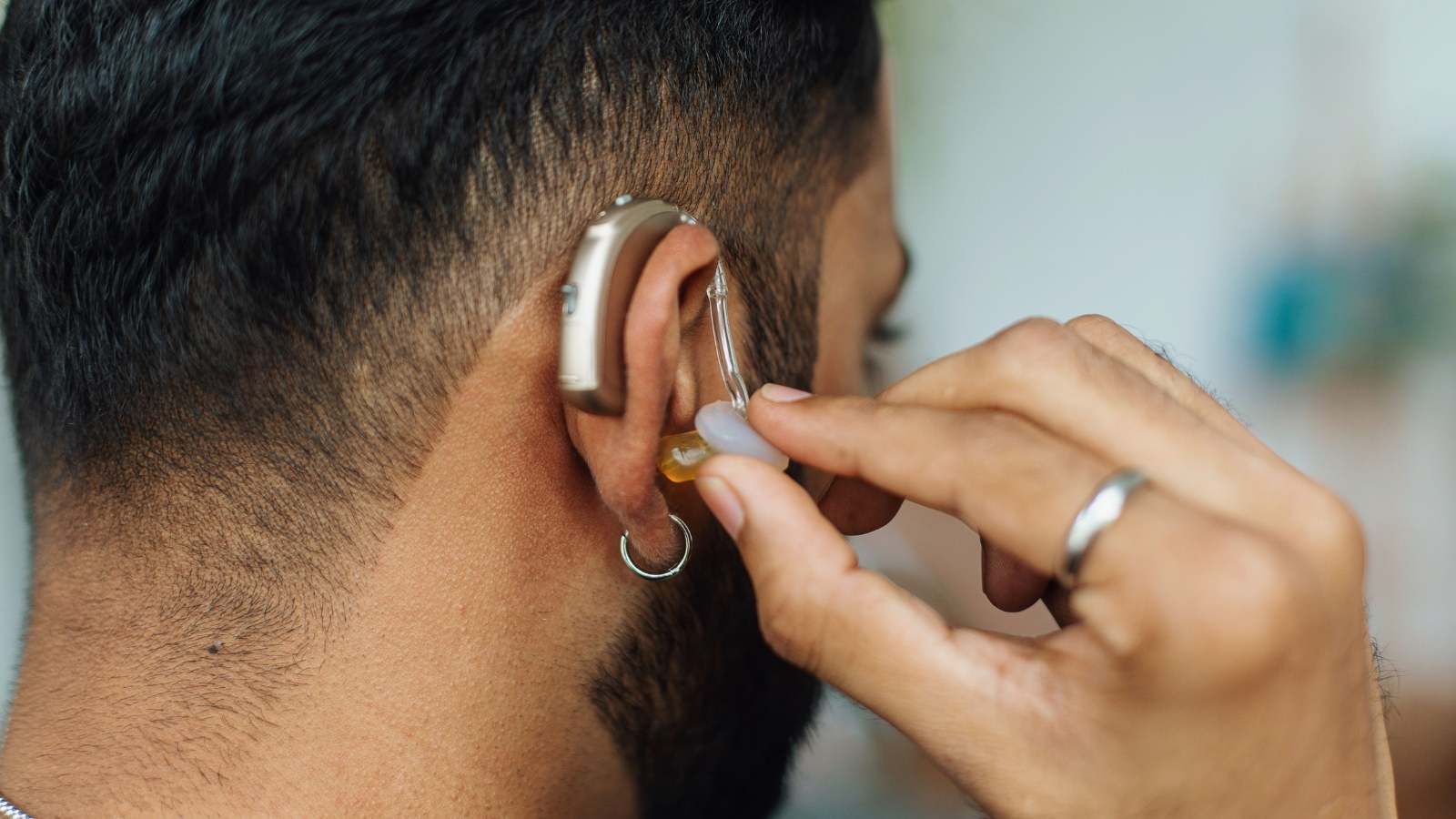
Hearing aid technology’s latest innovations include artificial intelligence-powered environmental analysis, Deep Neural Networks (DNN), Bluetooth LE Audio, Auracast broadcasting systems, biometric health sensors, Ear ID security hardware, microscopic MEMS components, and rechargeable lithium-ion batteries. Modern audiology practices have completely moved beyond simple electronic circuits that merely amplify sound. Today, intelligent wearable assistants are used that replicate the human brain’s natural hearing ability, eliminate mental fatigue in crowded environments, and adapt to environmental acoustic changes within milliseconds. This advanced digital evolution creates a seamless comfort zone that enables individuals with hearing loss to participate in social life independently, confidently, and without interruption.
What Role Does Artificial Intelligence Play in Hearing Aids?
For many years, the operating principle of digital hearing aids was relatively simple. These devices functioned according to pre-programmed static rules. When you entered a quiet room, a specific setting would activate, while another predetermined and not very flexible setting would engage when you stepped onto a noisy street. However, the real world is far too complex, full of surprises, and constantly changing to be predicted in advance. One moment you may be sitting in a quiet library, and seconds later a loud ambulance may pass by or the wind may suddenly start blowing. This is precisely where artificial intelligence and machine learning technologies have opened an entirely new chapter in the signal processing capabilities of hearing aids.
The intelligent chips inside next-generation systems demonstrate the ability to instantly listen to, learn from, and simultaneously adapt to the environmental sounds they encounter. A hearing aid scans every new environment the user enters hundreds of times per second, creating an invisible acoustic map of the surroundings. This enables the device to instantly classify the nature of surrounding sounds and develop a different response strategy for each one. The greatest advantage of this technology is that the device gradually learns the user’s daily habits, completely eliminating the need to constantly adjust the volume using the device’s buttons throughout the day. Your device thinks for you and automatically prepares the ideal listening environment.
Some environmental sounds analyzed and classified by artificial intelligence within seconds include:
- Wind
- Traffic
- Music
- Echo
- Hum
How Do Deep Neural Networks Help Us in Noisy Environments?
The difficulty experienced while trying to understand the person in front of you in a crowded restaurant, during a meeting in a reverberant hall, or in a noisy environment such as a wedding is one of the most common complaints among individuals with hearing loss. The human brain can focus on a single sound in noise thanks to an ability called the “cocktail party effect,” but when hearing loss occurs, the brain has great difficulty performing this filtering process. This causes individuals to miss conversations and withdraw from communication. Deep Neural Networks, which are at the heart of advanced technologies, step in precisely where the brain struggles, functioning like an external support unit.
Deep Neural Networks are multi-layered algorithms specifically trained in laboratory environments using millions of different real-life sound scenarios. Perfectly imitating how the human brain distinguishes sounds, these systems analyze sound not only according to its pitch or volume but also through its texture and context. For example, they detect background air conditioner noise, clattering dishes, or conversations at the next table and gently suppress them. At the same time, they isolate and clarify the voice of the person standing directly in front of you and speaking to you, delivering it to your ears in the most natural way possible. The greatest value this unique technology brings to individuals’ lives is its ability to dramatically reduce listening effort. When people have to overwork their brains to understand sounds, they experience serious mental exhaustion by the end of the day. Deep Neural Networks prevent cognitive fatigue by taking over this tiring and complex separation process that the brain would otherwise have to perform.
The main challenges experienced in noisy environments that are overcome with technology include:
- Mental fatigue
- Difficulty concentrating
- Social isolation
- Stress
- Loss of self-confidence
Is User-Centered Personalization Possible in Hearing Aids?
Every person’s sense of hearing, way of perceiving sounds, and search for acoustic comfort are as unique as a fingerprint. No matter how carefully and precisely adjustments are made in clinical settings, the complex sound environment of the real world always varies. A setting that sounds perfect in a quiet clinic may not provide the same comfort on a busy street. Modern technologies are turning personalized hearing experiences into reality by placing artificial intelligence directly under the user’s control.
Systems that operate through applications easily downloadable to smartphones present users with different sound profiles based on their current environment. While you are in a complex environment, the application plays two different sound options through a simple interface and asks which one sounds clearer. The user makes a comparison entirely according to personal perception and selects the preferred option. The system instantly processes this feedback, learns the specific need at that moment, and optimizes the sound within milliseconds. Moreover, this is not just an ordinary adjustment; after some time, artificial intelligence memorizes which tonal qualities and sound levels the user prefers in different environments. When entering a new environment with similar acoustic characteristics, the device automatically switches to the preferred setting. This allows users to fully embrace their device and strengthens the feeling that they are completely in control of it.
The stages of the personalization process are:
- Application connection
- Environmental analysis
- Sound comparison
- Automatic optimization
- Permanent learning
What Features Does Bluetooth LE Audio Bring to Next-Generation Hearing Aids?
In today’s modern era, living in constant integration with smartphones, smart televisions, and computers is no longer a luxury but a basic necessity of daily life. The ability of hearing aids to connect directly with this vast digital world has reached an unprecedented level of perfection thanks to new-generation Bluetooth protocols. In the past, connecting hearing aids to other devices caused significant energy consumption, but Bluetooth Low Energy Audio technology has fundamentally solved this problem.
At the center of this technology is a special audio processing method called LC3, which successfully transmits audio data with much lower battery consumption while delivering much higher and clearer quality than before. By nature, hearing aids have extremely small and delicate batteries. With older systems, listening to music from a phone or making long phone calls could drain the battery within just a few hours. However, thanks to new-generation communication standards, users can now make phone calls directly through their hearing aids from the moment they wake up until they go to bed, enjoy their favorite music in high quality, or stream television audio directly into their ears in the evening. Moreover, they can do all this without experiencing any interruptions, delays, or loss of sound quality.
Devices that can be connected directly for listening include:
- Phones
- Televisions
- Tablets
- Computers
- Smartwatches
How Does Auracast Technology Solve Communication Problems in Public Spaces?
One of the physical environments where hearing aid users face the greatest challenges in daily life includes large public spaces such as airports, massive train stations, reverberant theaters, major conference centers, and places of worship. In these large structures, sound repeatedly reflects off hard walls, ceilings, and floors. This reverberation combines with conversations from other people and background noise, turning into an incomprehensible, overwhelming hum. The revolutionary broadcasting technology known as Auracast is an excellent solution designed to eliminate this complexity.
Auracast is a system that allows the primary audio source in a venue to broadcast directly and wirelessly to an unlimited number of hearing aids in the same environment simultaneously. Conceptually, it resembles a radio station transmitting high-quality sound to thousands of radios on a single frequency. For example, while waiting in a crowded and extremely noisy airport terminal, an important announcement about your flight is delivered directly into your hearing aid as a crystal-clear audio signal without being mixed with surrounding noise, crying children, or the sound of rolling suitcases. Likewise, while running on a treadmill at the gym, you can instantly connect to the audio of muted large-screen televisions with a single tap on your smartphone. In cinemas and theaters, the actors’ voices reach your brain directly without being affected by the hall’s acoustics.
Areas where Auracast technology is actively used include:
- Airports
- Train stations
- Cinemas
- Theaters
- Museums
How Do Hearing Aids Monitor Fall Risk with Biometric Sensors?
When discussing hearing aids today, we are no longer referring only to simple medical devices that assist hearing; these tiny devices placed inside or behind the ear have evolved into advanced wearable technology terminals that continuously monitor our overall health. The human ear is a much more reliable location than wrist-worn smartwatches for collecting biometric data due to its rich blood vessel network, proximity to the body’s core, and anatomical stability even during movement.
Especially in individuals above a certain age, sudden balance loss and falls represent a vital health risk that can lead to serious physical injuries. Microscopic accelerometers and gyroscopes integrated into next-generation devices monitor the user’s physical movements in three-dimensional space every second. If the wearer suddenly stumbles, loses balance, and falls heavily, the device detects this abnormal acceleration within milliseconds. Once such an emergency is identified, the device immediately sends an alert message via the connected smartphone to emergency contacts previously registered in the system. This message not only reports the fall but also transmits the exact map location where the incident occurred. This enables rapid medical intervention and plays a life-saving role.
The data continuously monitored by the sensors include:
- Acceleration
- Balance
- Steps
- Heart rate
- Movement
What Is Ear ID Technology and Is Our Ear Like a Fingerprint?
One of the most exciting and extraordinary developments in biometric identification technologies is Ear ID, or ear identity technology. Although many people are unaware of it, the internal structure of the human ear, including the curves of the ear canal, its width, and the way sound reverberates inside, is entirely unique to each individual, just like a fingerprint. Moreover, this unique internal ear structure undergoes virtually no anatomical changes from birth until the end of life.
Advanced scientific research and acoustic testing have proven that hearing aids can identify a person’s true identity with a very high level of accuracy by analyzing microscopic sound reflections inside the ear. This superior technology creates an exceptional security system for hearing aids that have significant financial and personal value. As soon as the device is placed in the ear, it analyzes the way sound reflects inside and determines within seconds whether the wearer is the legitimate owner. If the device is stolen, lost, and later placed in someone else’s ear, the system immediately locks itself and refuses to operate. This feature provides excellent protection against physical theft while also preventing personal health data and daily activity records stored within the hearing aid’s smartphone application from falling into unauthorized hands.
The main benefits provided by the Ear ID system include:
- Security
- Privacy
- Locking
- Authentication
- Protection
How Does MEMS Technology Make Hearing Aids Nearly Invisible?
The major engineering secret behind modern hearing aids being as small and lightweight as a coffee bean while simultaneously performing tasks as complex as a powerful computer is MEMS technology. Standing for Micro-Electro-Mechanical Systems, this technology refers to microscopic hardware components developed to capture the finest details of the acoustic world.
In the past, the microphones inside hearing aids occupied significant physical space, making the devices appear bulky behind the ear. Thanks to MEMS technology, today’s microphones and internal sensors can be manufactured at microscopic dimensions that are barely visible to the naked eye. This remarkable miniaturization not only allows hearing aids to be extremely stylish, lightweight, and almost invisible from the outside, but also enables MEMS-based components to operate with incredibly low energy consumption, significantly extending battery life. Furthermore, these tiny structures are much more resistant than traditional larger microphones to physical impacts, accidental drops, moisture, and heavy perspiration during the summer.
The physical advantages offered by MEMS microphones include:
- Small size
- Lightweight
- Durability
- Efficiency
- Sensitivity
Why Are Rechargeable Lithium-Ion Batteries More Advantageous?
When hearing aid users are asked what hardware innovation provides the greatest convenience in daily life, rechargeable lithium-ion batteries are undoubtedly the most common answer. Older devices used tiny disposable button batteries that had to be replaced every few days. This was not only a major inconvenience for individuals with vision problems or hand tremors, but also created significant environmental pollution due to thousands of discarded batteries.
Lithium-ion battery technology has consigned all these old problems to history. Just as you charge your smartphone before going to bed, all you need to do is place your hearing aids into their compact and stylish charging case. An average full charge of just a few hours provides uninterrupted power for up to twenty-four hours the next day. Moreover, if your battery unexpectedly runs low during the day, even a thirty-minute emergency charge can provide several additional hours of use. Since the batteries are built into the device and completely sealed, they make the hearing aid more resistant to sweat and moisture while also eliminating the dangerous risk of small children or pets swallowing batteries.
The daily-life benefits of lithium-ion batteries include:
- Uninterrupted
- Practical
- Environmentally friendly
- Safe
- Long-lasting
Which Scientific Tests Do Audiologists Use During Hearing Aid Fitting?
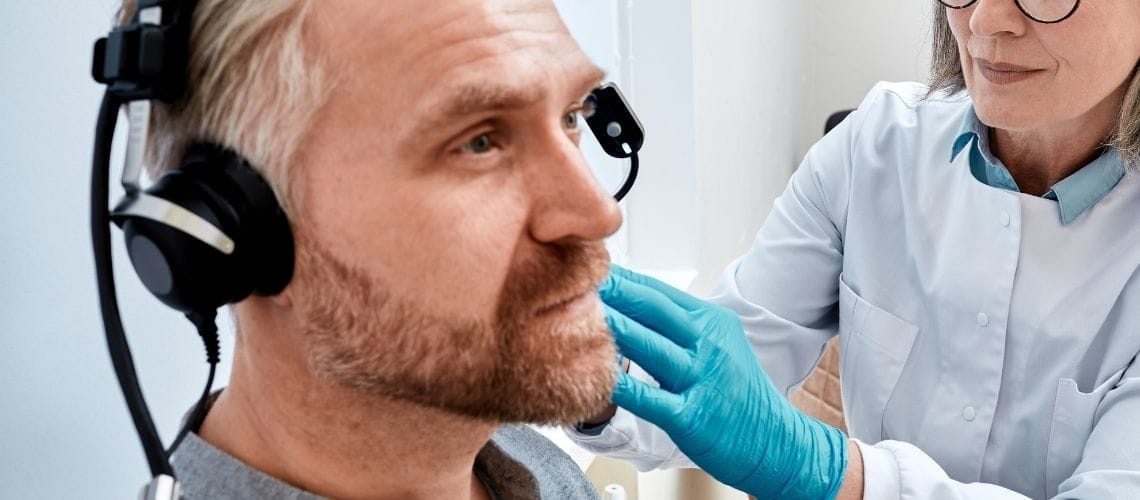
Even if you purchase the world’s most advanced, most expensive, and most technologically sophisticated hearing aid, its ability to create a true miracle in your ears depends entirely on how accurately it is adjusted to your ear structure and nervous system. At this critical point, scientific audiological tests and precise clinical methods come into play. There are several gold-standard procedures that specialists meticulously apply to ensure technology performs at its full potential.
First, the exact frequencies and sound levels that cannot be heard are identified in great detail. This is immediately followed by measurements of speech understanding and word recognition ability. Based on these critical comprehension percentages, specialists precisely determine how strongly or gently the artificial intelligence inside the device should suppress background noise. On the physical and anatomical side, an extremely important method called Real Ear Measurement is used. Every person’s ear canal volume, width, and curves are completely different. The sound produced by a hearing aid may become amplified or reduced depending on the shape of your ear canal. By placing a very thin sensor, as fine as a strand of hair, just in front of the eardrum, specialists objectively observe on a screen exactly how much sound reaches your eardrum. Only when this precise acoustic foundation is correctly established can all advanced software features, including artificial intelligence, demonstrate their true performance and deliver sounds in the most natural way possible.
The main measurement areas used during the process include:
- Pure tone audiometry
- Free Field Audiometry
- Speech-in-noise tests such as ACT/HINTS
- Immittance measurements
How Does Tele-Audiology Make Remote Hearing Aid Adjustments Easier?
In previous years, it was necessary to visit the clinic in person to adjust a hearing aid, increase the volume slightly, or request a fine adjustment. This was particularly exhausting for individuals facing harsh winter conditions, those with limited physical mobility, or people living far from the clinic. Furthermore, since clinics are designed to be very quiet and acoustically isolated, it was impossible to recreate within those silent rooms the acoustic challenges patients experienced on busy streets, in traffic noise, or in crowded homes. Today, remote access systems known as Tele-Audiology, which are part of the digital healthcare revolution, have completely eliminated these obstacles.
Through highly secure and user-friendly smartphone applications, specialists can connect directly to the hearing aid in the user’s ear within seconds via an internet connection. While communicating through video calls, patients can remain comfortably seated at home watching television or working in a busy workplace while fine adjustments to the device are made remotely in real time. While remaining in the natural acoustics of their actual environment, patients immediately notice how the sound changes and can instantly inform the specialist whether the issue has been resolved. In addition, usage statistics and data stored within the hearing aid can also be analyzed remotely. This remarkable capability extends healthcare beyond clinic walls, making access to advanced technology and expert care far more equitable, convenient, and sustainable for everyone.
The groups that benefit most from remote connection systems include:
- Older adults
- Working individuals
- People with disabilities
- Travelers
- Those trying to access services from outside the city

Dr. Audiologist Emel Uğur was born in 1982 in Çanakkale. She specialized in Pediatric Audiology, Otologic Disorders, and Vestibular System Disorders, and served for 15 years at the Istanbul Training and Research Hospital. In 2015, she joined the Acıbadem Healthcare Group. She currently works as an Audiologist at the Acıbadem Altunizade Hospital and also serves as a faculty member and program director in the Acıbadem University Vocational School of Health Services Audiometry Program.







Location of our clinic in Istanbul, Turkey