

 Türkçe
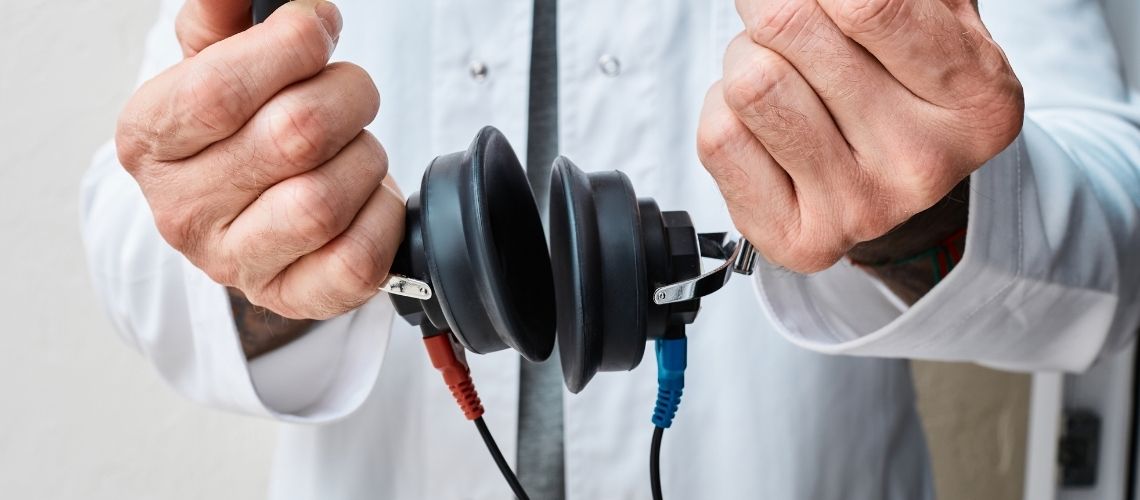
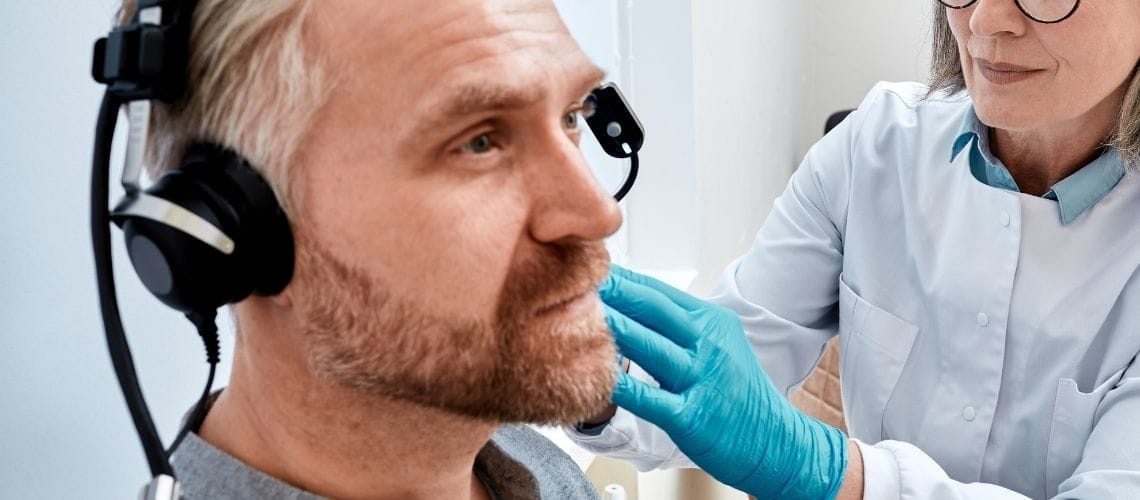
An audiometry test is a standard audiological assessment method used to measure an individual’s hearing level. The person’s sensitivity to sounds of different frequencies and intensities delivered through headphones is measured and recorded. This enables hearing loss to be identified objectively.
During the test, both air conduction and bone conduction hearing thresholds are evaluated. The air conduction test assesses the function of the outer and middle ear, while the bone conduction test evaluates the inner ear and auditory nerve structures. This allows the location and type of hearing loss to be determined.
The audiometry test is used not only for diagnostic purposes but also for hearing aid fitting and programming. This allows the frequency ranges needed by the patient to be identified and the device to be programmed accordingly.
Regular audiometry testing is recommended for individuals at risk of hearing loss, especially those who work in noisy environments. Early detection helps prevent progressive hearing loss and enables more effective treatment.
| Definition | A test performed to measure hearing level, the degree of hearing loss, and the type of hearing loss. |
| Purpose | To detect hearing loss and determine its type (conductive, sensorineural, or mixed). |
| Test Types | – Pure Tone Audiometry: Hearing thresholds are determined at different frequencies. Air conduction and bone conduction measurements – Speech Audiometry: Measures the ability to understand and repeat speech. – HINTS TURKISH MATRIX TEST TEN TEST SUPRATHRESHOLD TESTS (SISI, TONE DECAY, BEKESY…) |
| Who Is It Performed On? | Children, adults, and older individuals with suspected hearing loss. Some of the tests are differential diagnostic tests. |
| How Is It Performed? | Different sound tones and intensities are presented using headphones and specialized equipment, and the patient responds to the sounds they hear. |
| Preparation | No special preparation is required; testing is performed in a specially designed acoustically isolated (soundproof) booth. |
| Duration | It usually takes approximately 20–30 minutes. The duration may vary depending on the testing technique used and the patient’s hearing condition. |
| Interpretation of Results | Hearing thresholds are displayed on a graph called an audiogram, and the degree of hearing loss is determined. The results are interpreted and reported by audiologists. |
| Risks | It is a non-invasive test and does not involve any risks. Testing techniques differ for infants and children. |
| Advantages | Hearing loss is detected early, allowing appropriate treatment to be planned. |
What Is an Audiometry Test?
An audiometry test is the primary hearing test performed to determine an individual’s hearing level and the degree of any possible hearing loss. During the test, the patient listens to pure tones of different frequencies and intensities, and the sounds they can hear are measured. The results are evaluated on a graph called an audiogram. Audiometry is a reliable method for identifying the type and severity of hearing loss and plays a major role in diagnosis and treatment planning.
Audiometry (Hearing Test) Prices
Audiometers are the primary specialized medical devices used to perform hearing tests. Many factors influence the cost of hearing tests. The technical specifications of the device, the number of channels, additional functions, frequency range, and the reliability of the equipment (well-known brands offering high-quality devices generally have higher price tags) are among the major factors affecting test prices.
In addition, the quality of the testing environment, namely the quality of the soundproof booths (acoustically isolated test rooms), and whether regular calibration procedures are performed are unquestionably crucial for accurate diagnosis. No one wants to be tested using equipment that has not been properly calibrated. However, calibration services are very expensive. Therefore, these costs may be reflected in the test fee.
Furthermore, a single hearing test is often not sufficient. At this point, the experience of the clinician performing the test becomes extremely important. The clinician must be able to identify abnormalities in the test results and perform additional tests when necessary. This requires both additional equipment and substantial expertise. As a result, factors such as the audiologist’s experience and diagnostic success rates also influence the cost of audiological evaluations.
However, in our country, hearing tests performed in hearing centers are often provided either at a very low cost or free of charge. Patients may sometimes prefer to undergo testing at these centers. Since these centers may also sell additional products such as hearing aids based on the test results, the importance of the hearing test fee itself is reduced. Therefore, hearing centers may choose to implement free or low-cost testing policies.
In hospitals, on the other hand, the primary objective is to establish an accurate diagnosis and plan the patient’s treatment. Therefore, these examinations, like all other diagnostic procedures (MRI, CT scans, blood tests, pathology tests, etc.), are subject to fees. Test prices are determined by hospital administrations based on the costs mentioned above.
In summary…
Audiometry test prices are determined by many different factors, each of which can directly affect the overall cost. These factors cover a broad range, from the facilities offered by the healthcare institution to the features of the equipment used. The main factors affecting audiometry test prices include:
- The type and facilities of the healthcare institution
- The experience level of the professional performing the test
- The technological features of the equipment used
- The geographical location of the healthcare center
Each of these factors contributes to the accuracy, reliability, and quality of the service provided. In particular, the use of modern, advanced technology equipment can produce more precise test results while increasing costs. Likewise, tests performed by experienced audiologists have the potential to provide more comprehensive evaluations, which may also result in price differences. The location of the healthcare facility may also influence service costs; services provided in large cities or private hospitals may be more expensive.
The combination of these factors in audiometry test pricing provides individuals with options suited to their budgets and needs. Advances in technology and improvements in the quality of professional healthcare services aim to make these tests more accessible and reliable.
How Do the Scope and Duration of the Test Affect Pricing?
Audiological tests are the general name given to the methods used to evaluate hearing function. They vary depending on the individual’s age, examination findings, pathology, level of cooperation, and medical condition. The scope and duration of each test directly affect its cost. The complexity, duration, and purpose of the tests play a significant role in determining price differences.
- Pure tone audiometry
- Speech audiometry
- Tympanometry
- Acoustic reflex testing
- BERA/ABR
- Otoacoustic emissions
- Cortical responses…
The more comprehensive and time-consuming the test, the greater the level of expertise and equipment required. Especially when multiple tests are performed together, the expanded scope and longer duration increase the overall cost. In addition, the purpose of the testing also affects the cost. For example, tests performed as part of a routine evaluation may be less expensive, whereas those used for neurological or pediatric assessments are generally more costly. The time required to analyze the results obtained from the tests may also influence pricing.
How Do Geographic Location and Regional Differences Affect Prices?
Geographic location and regional differences are among the important factors that determine audiometry test prices. The cost of living, income levels, and access to healthcare services in different regions have a direct impact on pricing. The differences are particularly noticeable between large cities and smaller communities.
- Operating costs are higher in major cities.
- Demand for healthcare services increases due to higher population density.
- Competition improves service quality but may increase costs.
- Demand is generally lower in smaller communities.
- Operating expenses are lower in rural areas.
Regional economic conditions also influence pricing. This is related both to income levels and logistical costs. The local economic environment affects both service providers’ operating costs and patients’ ability to pay.
- Healthcare service prices tend to be higher in high-income regions.
- Logistics costs vary according to economic conditions.
- Costs increase in areas where access to healthcare services is limited.
Healthcare pricing is not determined solely by cost and demand. Population density, living standards, and competitive conditions in a region may also indirectly contribute to price differences. In addition, government support and incentives for healthcare services may make prices more affordable in certain regions. For example, government-supported programs in rural areas tend to reduce prices.
How Are Additional Services and Result Evaluation Processes Reflected in Pricing?
The additional services provided after an audiometry test are among the factors that directly affect the total cost of the test. These services include many different stages, such as professional evaluation of the results, providing solutions tailored to the patient’s needs, and monitoring the treatment process.
- Analysis of test results
- Consultation services
- Hearing aid recommendations
- Hearing aid fitting support
- Treatment planning
- Regular follow-up sessions
These processes are of vital importance in improving the patient’s quality of life and preserving hearing health. Expert support provided at every stage increases treatment effectiveness while offering long-term solutions. In addition, because these services generally require an individualized approach, it is natural for costs to vary. Advanced needs such as hearing rehabilitation, additional surgical interventions, or medication therapy may also be determining factors in pricing.
Frequently Asked Questions
How does an audiometry test evaluate hearing health?
An audiometry test measures how well a person can hear sounds at different frequencies. This makes it possible to determine the degree, type, and frequency range of hearing loss, allowing diagnosis and treatment to be planned accordingly.
For which complaints is an audiometry test recommended?
An audiometry test is recommended for symptoms such as tinnitus, dizziness, difficulty understanding speech, listening to the television at high volume, or exposure to loud noise in the workplace.
How is an audiometry test performed in children?
In children, the test is adapted using play audiometry or visual reinforcement techniques. The child’s responses to sounds are evaluated. Early diagnosis enables developmental hearing problems to be identified quickly.
What do audiometry test results mean?
The results are displayed on a graph called an audiogram. This graph shows the distribution of hearing loss across different frequencies, indicates whether the loss is mild, moderate, severe, or profound, and identifies its type.
Can an audiometry test determine the cause of hearing loss?
The test identifies the presence and degree of hearing loss but cannot, by itself, determine the exact cause. The diagnosis is established by evaluating the results together with an ear examination and additional tests.
How long does an audiometry test take, and is it painful?
The test is usually completed within 15–30 minutes and is completely painless. The individual wears headphones and responds to the sounds presented. The procedure is safe and non-invasive, making it suitable for people of all ages.
What information does an audiometry test provide for older adults?
Age-related hearing loss (presbycusis), which is common in older adults, can be easily detected through audiometry. This makes it possible to select appropriate hearing aids and improve quality of life.
How is an audiometry test used in hearing aid selection?
The test identifies the frequencies at which hearing loss occurs and its severity, allowing hearing aid settings to be customized for the individual. This helps ensure that the device is used more effectively and comfortably.
Can an audiometry test be performed during pregnancy?
Yes. An audiometry test can be safely performed during pregnancy because it does not involve harmful radiation, medications, or invasive procedures. It can be used to evaluate hearing complaints that arise during pregnancy.
What are the limitations of an audiometry test?
Audiometry measures hearing loss but cannot determine the underlying cause on its own. In addition, its reliability may be reduced in very young children and individuals who cannot cooperate during testing, in which case alternative testing methods may be required.

Dr. Audiologist Emel Uğur was born in 1982 in Çanakkale. She specialized in Pediatric Audiology, Otologic Disorders, and Vestibular System Disorders, and served for 15 years at the Istanbul Training and Research Hospital. In 2015, she joined the Acıbadem Healthcare Group. She currently works as an Audiologist at the Acıbadem Altunizade Hospital and also serves as a faculty member and program director in the Acıbadem University Vocational School of Health Services Audiometry Program.







Location of our clinic in Istanbul, Turkey