

 Türkçe
Although BPPV and cervical vertigo show similar dizziness symptoms, they are based on different mechanisms. BPPV occurs when crystals in the inner ear become displaced, whereas cervical vertigo results from problems in the cervical vertebrae.
In BPPV, a sudden and short-lasting spinning sensation triggered by head movements is prominent. In cervical vertigo, a longer-lasting feeling of imbalance associated with neck movements is observed.
While positional tests reveal BPPV during diagnosis, neck examination and imaging methods are important for cervical vertigo. The two conditions should not be confused.
BPPV is treated with maneuvers, whereas physical therapy, exercise, and practices that strengthen the neck muscles are preferred for cervical vertigo. The treatment approaches differ.
What Exactly Do BPPV and Cervicogenic Vertigo Mean?
Let us begin with BPPV. The words in its name provide us with clues. “Benign” indicates that it is not a dangerous disease. “Paroxysmal” means that the dizziness begins suddenly and lasts for a short time. “Positional” indicates that it is triggered by certain movements of the head. In other words, BPPV is a severe spinning sensation that begins suddenly and lasts briefly when we move our head. The problem lies in the balance system of the inner ear.
Cervicogenic Vertigo, on the other hand, involves the neck, as the word “cervical” means related to the neck. In cervicogenic vertigo, the problem originates from the neck region. The feeling of dizziness is generally not a severe spinning sensation like in BPPV, but rather a sense of imbalance, lightheadedness, or feeling as though “the ground is slipping beneath my feet.” Neck pain or stiffness may also accompany this condition. For this reason, it is also called Cervicogenic Dizziness, meaning dizziness originating from the neck.
How Common Are BPPV and Cervicogenic Vertigo?
BPPV is one of the most common causes of vertigo. It is particularly common after the age of 50. Its lifetime prevalence is estimated to be approximately 2–3%. It may occur slightly more frequently in women than in men. BPPV is detected in a significant proportion of patients who consult a doctor with dizziness complaints.
It is more difficult to provide exact figures regarding the prevalence of Cervicogenic Vertigo. However, if a person with a neck problem experiences dizziness, it is one of the important possibilities that should be considered. It may occur more frequently, especially in individuals who have experienced neck trauma such as a traffic accident or who have degenerative problems such as cervical osteoarthritis.
In conclusion, BPPV is more common in the general population, whereas cervicogenic vertigo develops due to an underlying neck problem.
Why Do BPPV and Cervical Vertigo Occur? What Is the Role of Inner Ear Crystals?
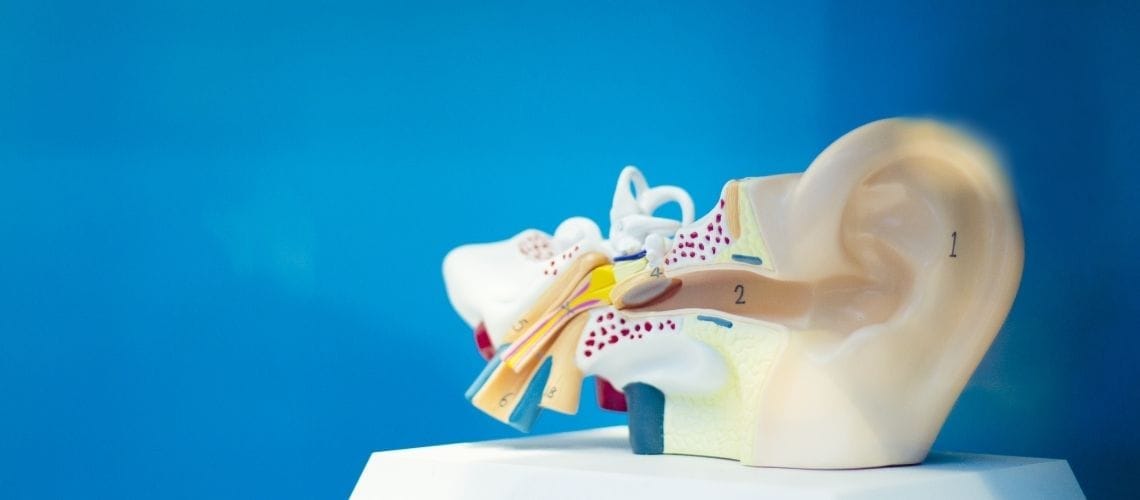
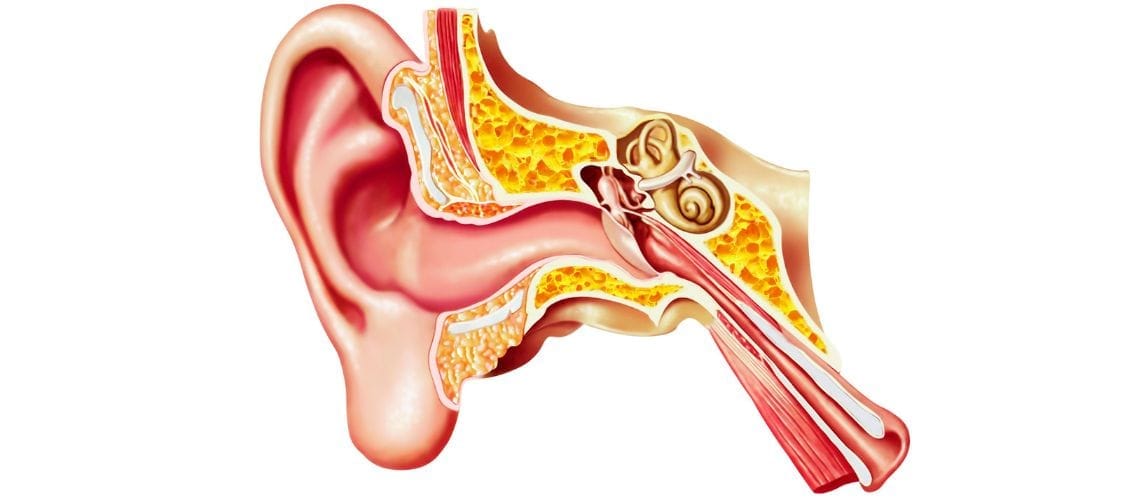
The cause of BPPV is related to calcium carbonate crystals in the inner ear. These crystals are called “otoconia” and are normally located in a specific part of the inner ear, namely the utricle. Their role is to help us perceive the position of our head relative to gravity and our linear movements.
However, these crystals may sometimes become detached and enter a place where they should not be, namely the semicircular canals that detect rotational movements of the head. They most commonly enter the posterior semicircular canal. This is where the problem begins. The free-moving crystals inside these canals move together with the fluid in the canal when we position our head in a certain way, such as when lying down or getting up. This movement stimulates the nerve endings in the canal and sends an incorrect signal to the brain as though the head were spinning. The result is a sudden and severe attack of dizziness.
Are There Risk Factors for the Development of BPPV and Cervical Vertigo?
BPPV often develops spontaneously without an identifiable cause. The risk of crystal displacement increases particularly with advancing age. This is called “idiopathic BPPV.”
However, certain conditions may trigger the development of BPPV or increase the risk. These include:
- Head trauma, which may be mild or severe
- Other inner ear diseases, such as Meniere’s disease or vestibular neuritis
- Migraine
- Inner ear surgery
- Remaining in a certain position for a prolonged period, such as in a dentist’s chair or during bed rest
- Natural deterioration of the balance system associated with aging
Research is also ongoing into whether osteoporosis and vitamin D deficiency may be associated with BPPV. These factors may alter the structure of the crystals and make it easier for them to become displaced.
Why Is the Neck Important in the Relationship Between BPPV and Cervical Vertigo?
In Cervical Vertigo, the problem is entirely related to the neck. The neck not only supports the head but also plays a very important role in maintaining balance. Specialized receptors called proprioceptors, located in the muscles, joints, and ligaments of the neck, continuously send information to the brain about the position and movements of the head.
The basic mechanism in cervicogenic vertigo is as follows: a problem in the cervical spine, such as injury, degeneration, muscle spasm, or poor posture, disrupts the signals sent from these receptors to the brain. While the brain receives normal balance information from the eyes and inner ear, it simultaneously receives inaccurate or conflicting information from the neck. The brain has difficulty interpreting this complex situation, resulting in dizziness, imbalance, and a feeling of disorientation. This is called “sensory conflict.” Neck pain, stiffness, or restricted movement usually accompanies this condition.
How Do BPPV and Cervical Vertigo Differ in the Sensation of Dizziness?
The way dizziness feels is an important clue in distinguishing BPPV from Cervical Vertigo.
In BPPV, the sensation usually begins very suddenly and involves a severe feeling of spinning. It may feel as though you or the entire room is spinning rapidly. This sensation generally lasts for a very short time, usually less than one minute and sometimes only 15–20 seconds. After the attack ends, mild lightheadedness, nausea, or an urge to vomit may remain for a while. In some cases, it can be extremely frightening.
In Cervical Vertigo (CGD), the situation is different. Rather than a severe spinning sensation, patients generally describe imbalance, lightheadedness, a hollow feeling in the head, “swaying as though standing on the deck of a boat,” or “feeling unable to stand firmly on the ground.” This sensation may last longer than BPPV, continuing for minutes or even hours. Symptoms may remain constant or fluctuate throughout the day.
What Situations Trigger BPPV and Cervical Vertigo Attacks?
What initiates the attacks also helps us distinguish between these two conditions.
BPPV attacks are typically triggered by changes in the position of the head relative to gravity. The most common triggers include:
- Turning from one side to the other in bed
- Getting out of bed or lying down
- Tilting the head backward, such as looking at the ceiling or reaching for something on a shelf
- Bending the head forward, such as tying shoelaces or picking something up from the floor
- These movements cause the free crystals in the inner ear to move.
In Cervical Vertigo, the triggers are more closely related to the neck. Symptoms generally appear or worsen in the following situations:
- Neck movements, such as turning the head from side to side or bending it forward and backward
- Keeping the head in a certain position for a long time, such as working at a computer or sleeping in an awkward position
- Activities that increase neck pain
- Sometimes even excessive tension or fatigue in the neck muscles may trigger symptoms.
Does Neck Pain Occur in BPPV and Cervical Vertigo?
Accompanying symptoms are also important. Neck pain is one of the most prominent features of Cervical Vertigo. Dizziness is generally accompanied by neck pain, stiffness, or restricted neck movement. According to some diagnostic criteria, the presence of neck pain is required to describe the dizziness as originating from the neck. Headaches originating from the neck may also frequently occur in cervicogenic vertigo.
The situation is different in BPPV. BPPV itself does not directly cause neck pain. However, patients with BPPV may unintentionally tense their necks to avoid movements that trigger dizziness. Over time, this may lead to tension and secondary pain in the neck muscles. It is also possible for a person to have both BPPV and a separate neck problem at the same time. However, neck pain is not a primary symptom of BPPV.
Auditory symptoms such as hearing loss or tinnitus are generally not expected in either condition.
Which Specific Tests Are Used to Diagnose BPPV and Cervical Vertigo?
BPPV can usually be diagnosed quite clearly. The most important tests used for this purpose are the Dix-Hallpike and Supine Roll positional assessments. During these assessments, your audiologist lays you down with your head positioned at a specific angle. If BPPV is present, a typical eye movement called nystagmus and dizziness occur in that position. Findings such as the direction, severity, and duration of the observed nystagmus show the clinician which semicircular canal is affected and enable the appropriate canalith repositioning maneuver to be performed. These tests are usually sufficient for diagnosis, and additional imaging methods are not required.
How Is the Diagnosis of BPPV and Cervical Vertigo Confirmed? What Is the Method of Exclusion?
The diagnosis of Cervical Vertigo is somewhat more complex. There is no specific test for making the diagnosis. Diagnosis is based mainly on the principle of ruling out other possible causes of dizziness. This is called a diagnosis of exclusion.
Your audiologist first takes a detailed medical history and performs an examination to rule out all other possible causes, such as BPPV, Meniere’s disease, vestibular migraine, or problems involving the brain or cerebellum. A neck examination is then performed to assess range of motion, muscle strength, and tenderness.
If, after all other causes have been excluded:
- The patient has a clear history of a neck problem,
- A clear relationship can be established between dizziness and neck movements or neck pain,
- Neck-related findings such as restricted movement or tenderness are detected during examination
Cervicogenic vertigo is considered. Special tests measuring neck position sense, such as the Joint Position Error test, or imaging such as cervical MRI may sometimes be requested to support the diagnosis, but these do not establish the diagnosis on their own.
At the same time, the Vertebral Artery Test has recently become a widely used assessment that provides clinicians with guidance regarding the presence of Cervicogenic Vertigo.
The test is based on recording nystagmus or the findings described by the patient while the head is placed in right, left, flexion, and extension positions. Nystagmus occurring during this examination provides meaningful findings regarding vertebral artery test positivity and therefore the presence of Cervicogenic Vertigo.
Which Maneuvers Are Applied for BPPV and Cervical Vertigo?
The basis of BPPV treatment consists of special maneuvers intended to return otoliths that have become detached from the utricle and are either moving freely within a semicircular canal or attached to the cupula back to the utricle. BPPV is a mechanical disease. Therefore, medications have no role in treating BPPV and may only be used to suppress the patient’s complaints by increasing circulation in the ear. They have no therapeutic effect on BPPV.
The most commonly used maneuver is the Epley Maneuver. This maneuver is particularly effective for the most common form, Posterior Canal BPPV. It consists of a series of movements performed by an audiologist in which the head and body are placed in specific positions. The aim is to allow the crystals to leave the canal with the help of gravity and return to the utricle. Significant improvement is often observed even after a single session.
Other maneuvers include the Semont Maneuver, which is an alternative to the Epley maneuver. For the less common Lateral Canal BPPV, different maneuvers such as the Lempert Maneuver, also called the Barbecue Roll, or the Gufoni Maneuver are performed. These maneuvers are simple, painless, and highly safe. Depending on whether the patient has a problem in one canal or multiple canals, one or several sessions may be required.
What Is the Role of Physical Therapy in the Treatment of BPPV and Cervical Vertigo?
The treatment of Cervical Vertigo is completely different. The goal here is not to reposition crystals, but to resolve the underlying neck problem and correct the inaccurate signals sent to the brain. For this reason, treatment is generally longer-term, and physical therapy and rehabilitation play a very important role.
The physical therapy program is planned individually. It generally includes:
- Manual Therapy: Techniques applied by the physiotherapist using their hands. Methods such as joint mobilization and soft tissue massage are used to increase the mobility of the neck joints and relieve muscle spasms.
- Exercises: Exercises are prescribed to strengthen and stretch the neck and back muscles and improve posture.
Vestibular Rehabilitation: This is a rehabilitation program specifically designed for dizziness. It includes exercises intended to improve balance, enhance coordination between eye and head movements through gaze stabilization, and help the body become accustomed to movements that trigger dizziness through habituation. It helps the brain adapt to inaccurate signals coming from the neck. The treatment of cervicogenic vertigo generally requires a combination of these methods. Medications are mainly used to control pain or muscle spasms. Regular participation in the exercise program is very important for treatment success.
Frequently Asked Questions
BPPV occurs when crystals in the inner ear become displaced, whereas cervical vertigo is associated with balance problems originating from the neck. The duration of dizziness, its triggers, and examination findings should be evaluated together for an accurate differential diagnosis.
In BPPV, placing the head in certain positions triggers a short-lasting spinning sensation. In cervical vertigo, neck movements, muscle tension, or remaining in the same position for a long time may cause symptoms to appear.
Positional tests such as the Dix-Hallpike and Supine Roll Test are used to diagnose BPPV. In cervical vertigo, diagnosis is reached by excluding other causes through neck examination, audiological assessment, and vestibular tests when necessary.
The audiologist evaluates the vestibular system in detail to determine whether the dizziness originates from the inner ear. Test results and clinical findings are assessed together to create an appropriate treatment and rehabilitation plan.
The primary treatment for BPPV is positional maneuvers. In cervical vertigo, physical therapy, exercises, and vestibular rehabilitation when necessary are emphasized to resolve neck-related problems. Treatment is planned according to the underlying cause.
In some patients, BPPV and balance problems originating from the neck may occur at the same time. In this case, a detailed audiological assessment and neck examination are performed, and an individualized treatment program is prepared for both conditions.
BPPV generally does not cause hearing loss. Hearing is also usually unaffected in cervical vertigo. However, if dizziness is accompanied by hearing loss or tinnitus, a detailed examination should be performed for other inner ear diseases.
BPPV attacks generally end within seconds, whereas dizziness in cervical vertigo may last longer and occur together with neck pain. Evaluating the duration and characteristics of the symptoms provides important diagnostic clues.
Vestibular rehabilitation may be applied to BPPV patients whose balance problems continue despite positional maneuvers or to appropriate cases of cervical vertigo. The exercise program is planned by an audiologist according to individual needs.
If dizziness recurs frequently, becomes more severe, or is accompanied by neck pain, loss of balance, changes in hearing, or neurological symptoms, audiological and medical assessment should be sought without delay. Early diagnosis improves treatment success.

Dr. Audiologist Emel Uğur was born in 1982 in Çanakkale. She specialized in Pediatric Audiology, Otologic Disorders, and Vestibular System Disorders, and served for 15 years at the Istanbul Training and Research Hospital. In 2015, she joined the Acıbadem Healthcare Group. She currently works as an Audiologist at the Acıbadem Altunizade Hospital and also serves as a faculty member and program director in the Acıbadem University Vocational School of Health Services Audiometry Program.










Location of our clinic in Istanbul, Turkey