Türkçe
 Deutsch
 Français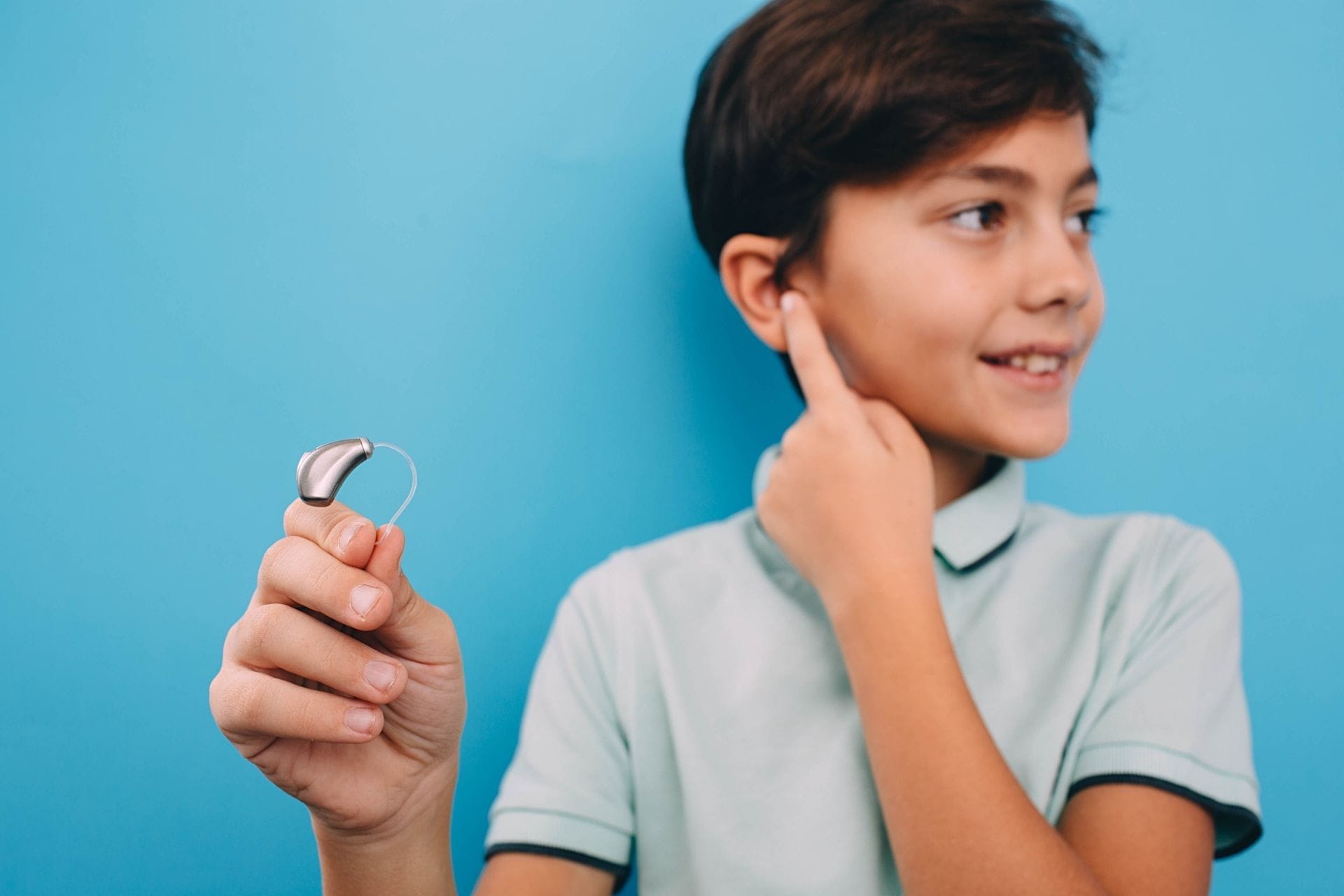
Hearing loss can occur at any age due to various reasons. Hearing loss in infants and children is a very significant problem. The sense of hearing is one of the fundamental elements of learning. Without auditory input, learning in infants and children remains incomplete. Adequate and proper language exposure is essential for acquiring correct and sufficient language skills.
| Definition | Partial or complete loss of hearing in children. |
| Types | Conductive, sensorineural, mixed (combined). |
| Causes | Congenital factors (genetic, birth trauma), infections (e.g., otitis media), prematurity. |
| Symptoms | Lack of response, delay in language development, the need to use devices at high volume. |
| Diagnosis | Newborn hearing screening, audiometric tests, tympanometry. |
| Treatment | Hearing aids, cochlear implant, medical or surgical treatment. |
| Risk Factors | Family history, low birth weight, prolonged NICU stay, ototoxic medications. |
| Prevention | Early screening and diagnosis, treatment of infections, protection against noise. |


Doctor Audiologist Emel Uğur
Dr. Audiologist Emel Uğur was born in 1982 in Çanakkale. During her 15-year tenure at Istanbul Training and Research Hospital, she primarily worked on Pediatric Audiology (Hearing Loss in Infants and Children), Otological Diseases (Ear Diseases and Hearing Health), and Vestibular System Disorders (Vertigo and Imbalance). In 2015, she joined the Acıbadem Healthcare Group.
About Me
What are the Causes of Hearing Loss in Infants and Children?
Hearing loss is examined under two subheadings: congenital and acquired. Congenital causes refer to hearing losses that occur in the prenatal period (during pregnancy). These can develop due to genetic factors, infections experienced by the mother, medications used during pregnancy, or exposure to toxic substances. It is not always possible to determine the exact cause. Additionally, premature births, low birth weight, and the need for intensive care (such as lack of oxygen, mechanical ventilation for more than 5 days, neonatal jaundice, etc.) are potential risk factors for hearing loss. After birth, infections (primarily middle ear infections), head traumas, or progressively developing (acquired) hearing losses due to genetic factors are crucial not only for speech-language development but also for cognitive, social, and psychological development.
What are the Types of Hearing Loss? How is it Treated?
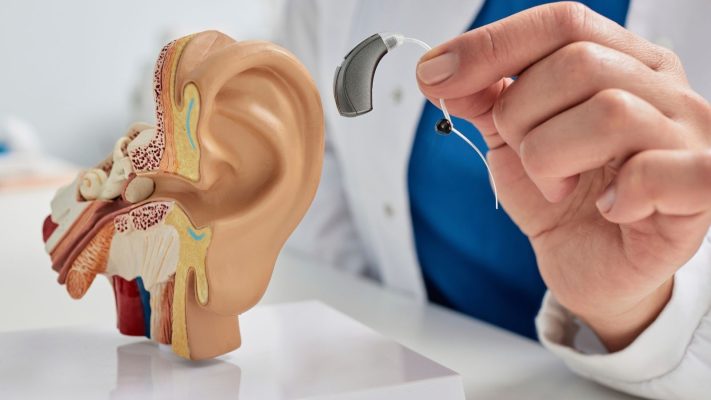
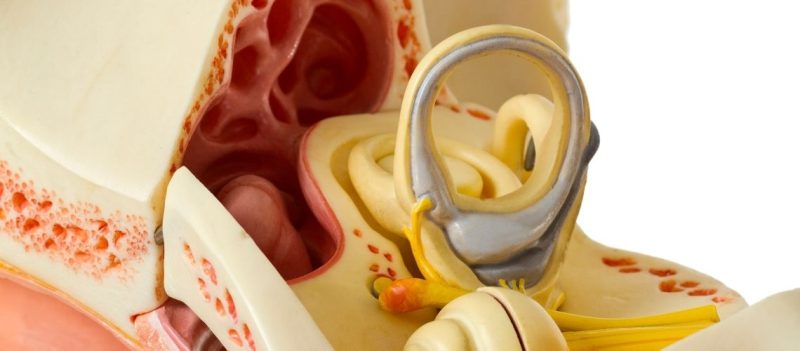
Hearing loss is classified according to which part of the ear is affected: conductive, sensorineural, or mixed. Losses originating from the external and middle ear are conductive, those from the inner ear and auditory nerve are sensorineural, and losses originating from both the middle and inner ear are considered mixed. Conductive hearing losses can be treated medically or surgically; hearing aids are rarely needed.
In sensorineural losses, medical treatment is not possible. Hearing aids should be initiated as soon as possible. In cases where hearing aids are insufficient, surgical procedures (implantation surgeries) become necessary.*We recommend filling out all fields to ensure the best response.
How is the Degree of Hearing Loss Determined?
Hearing loss is not rated in percentages; it is classified as very mild, mild, moderate, severe, and profound. These classifications differ from those used in adult protocols.
If hearing loss is very mild or mild, it may not be easily noticed by the family. However, language development problems may arise. Moderate or greater hearing losses are conditions that require immediate intervention.
Hearing loss is crucial for academic development. A child cannot be expected to learn what they cannot hear. Therefore, all necessary interventions for healthy hearing should be made at the earliest possible stage. Otherwise, children will fall short of their individual potential.
What are New Cases and Prevalence?
Hearing loss in children can occur due to different causes and at different times. Incidence refers to new cases of hearing loss diagnosed within a certain period, while prevalence indicates the number of existing patients. Various factors influence this situation.
According to the World Health Organization’s 2021 report, approximately 34 million children worldwide suffer from severe hearing loss. Rehabilitation and support services necessary for these children are essential for coping with the challenges caused by hearing loss.
A study in the United States in 2019 found that approximately 1.7 out of every 1,000 newborns have permanent hearing loss. These data emphasize the importance of early diagnosis of hearing loss.
Genetic factors: Approximately 50% of hearing losses detected in newborns are of genetic origin. Of these:
- 15% are syndromic,
- 35% are due to non-syndromic factors.
Maternal infections: Congenital infections account for approximately 40% of non-genetic hearing losses. Notable infections include cytomegalovirus and rubella.
Acquired infections: Preventable diseases and infections during childhood can cause about 14% of hearing losses. Of these, 5% may result in severe hearing loss.
Birth complications: Prematurity, low birth weight, oxygen deprivation, and neonatal jaundice are responsible for 17% of childhood hearing loss.
Ototoxic drugs: Some medications taken by children and pregnant women can account for 4% of hearing loss.
Noise exposure: An estimated 12.5% of children aged 6-19, or approximately 5.2 million children, experience hearing loss due to excessive noise.
Poor nutrition: There is evidence that poor nutrition during childhood increases the prevalence of hearing loss.
Otitis media: Up to 80% of children experience at least one episode of otitis media by the age of 10. It is estimated that more than one in three individuals worldwide suffers from permanent hearing loss due to this.
What are the Signs and Indicators of Hearing Loss?
The symptoms of hearing loss manifest in various ways in infants and young children. In infants, a lack of response to loud sounds may be observed. Additionally, indifference or selective attention to surrounding sounds are notable signs. The absence of efforts to locate the source of a sound, combined with insensitivity to sounds, indicates hearing problems. Observable disruptions in vocalizations and speech development, as well as delays in reaching developmental milestones, are important indicators of hearing loss.
Symptoms of hearing loss in children include:
- Significant delays in speech or language development
- Voice abnormalities
- Difficulty understanding and following instructions
- Frequently asking others to repeat what they say
- Using devices at excessively high volumes
- Difficulty distinguishing sounds in crowded places
- Struggling to understand especially the voices of women and children
- A tendency to avoid social activities
These symptoms also affect the child’s social and academic life. Communication breakdowns often lead to disappointment. Fatigue after a long day at school may be a consequence of the additional burden imposed by hearing loss. Difficulties in academic, behavioral, or social areas can lead to noticeable declines in school performance.Contact us for detailed information and appointments!
What are the Sources of Hearing Loss in Children?
Hearing loss in children has a variety of causes and can be either congenital or acquired. In utero infections or genetic predispositions often lead to congenital hearing problems. Hearing loss can sometimes result from various health issues experienced during pregnancy. For example, anoxia or infections contracted in the womb can increase the risk of hearing loss in the baby. Additionally, complications during birth can also lead to hearing loss. Such complications include:
- Structural abnormalities in the external or middle ear
- Anoxic events
- Birth traumas
- Rh incompatibility or high bilirubin levels
- Structural anomalies in the inner ear
Genetic factors are a significant cause of hearing loss in children. Genetic hearing loss can be transmitted through various inheritance patterns including autosomal recessive, autosomal dominant, X-linked, and mitochondrial inheritance. Some common genetic syndromes that include hearing loss are:
- Alport syndrome
- CHARGE syndrome
- Crouzon syndrome
- Down syndrome
- Goldenhar syndrome
- Pendred syndrome
- Sickle cell disease
- Tay-Sachs disease
- Treacher Collins syndrome
- Usher syndrome
- Waardenburg syndrome
Acquired hearing loss in children typically emerges during childhood and can be due to various external factors. Ear infections, head trauma, and prolonged noise exposure can lead to such hearing losses. Accumulation of earwax or the presence of foreign objects in the ear canal can also reduce hearing. Acquired hearing loss is generally associated with:
- Earwax accumulation
- Ear infections
- Encephalitis
- Noise exposure
- Head trauma
- Meningitis
- Ototoxic drug use
- Presence of foreign bodies
- Viral infections
Hearing loss in children is generally manageable with timely intervention. Treatment methods vary according to the type and cause of the hearing loss.
How are Hearing Tests and Screening Processes Conducted in Children?
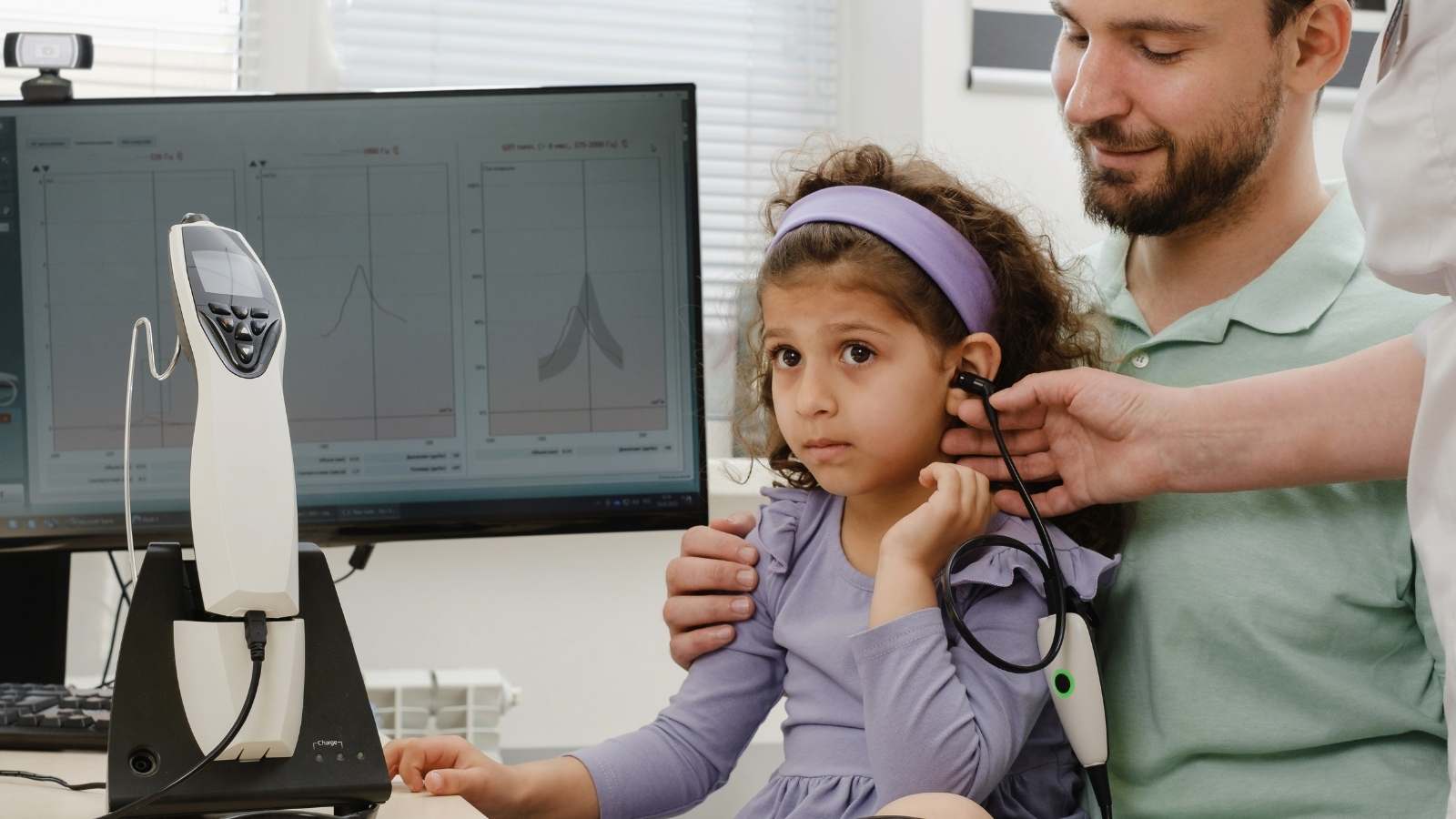
Early diagnosis and intervention in hearing loss play a critical role in a child’s development. The Joint Committee on Infant Hearing (JCIH) 2019 position statement adopts the global 1-3-6 criteria for detecting hearing loss. This criterion is designed to ensure early detection of hearing loss and timely intervention.
- Newborn hearing screenings should be conducted before hospital discharge or by one month of age at the latest.
- Infants who do not pass the hearing screening are referred for a detailed audiological and otological evaluation before the age of three months.
- Infants diagnosed with hearing loss begin early intervention services before six months of age. These services include hearing aids and other assistive technologies tailored to the child’s needs and the family’s preferences.
The JCIH also supports special screening protocols for infants in neonatal intensive care units and for those who are premature or have prolonged hospital stays. Regardless of hearing screening results, continuous monitoring of the child’s communication skills is encouraged. This monitoring, which begins at two months of age, focuses on the child’s development and is conducted in accordance with the American Academy of Pediatrics’ periodicity schedule. Developmental milestones, auditory skills, and middle ear health are regularly evaluated.
In our country, the screening program is maintained under the supervision of the Ministry of Health. Every newborn undergoes hearing screening tests before hospital discharge. According to the protocol, tests may be repeated and further tests conducted. In some cases, even if an infant passes the screening, further diagnostic tests are recommended.
How is Hearing Evaluation Conducted in Children?
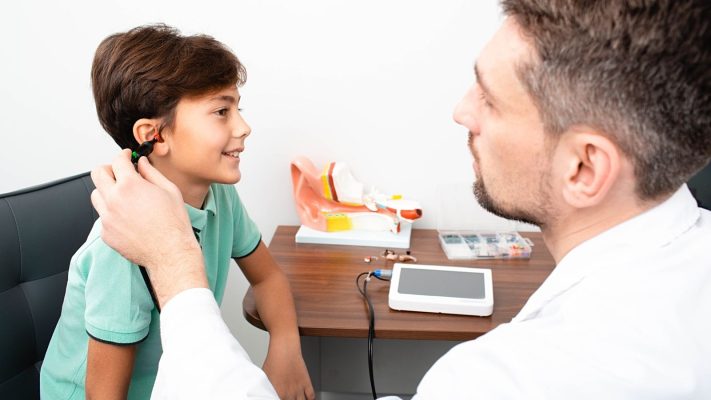
Comprehensive audiological tests are performed to assess hearing loss in children. This process involves a detailed examination of both ears. The evaluation aims to determine the nature and degree of the hearing loss, which is important for the child’s auditory health. The assessment reveals how the child hears at different frequencies and identifies the type of hearing loss, whether it is sensorineural, conductive, or mixed.
The evaluation process includes the following steps:
- Case history,
- Medical referral,
- Developmental screening,
- Otoscopy,
- Audiological test battery:
- Acoustic immittance test procedures (wideband tympanometry, tympanometry, acoustic reflex tests),
- Auditory evoked potentials (Auditory Brainstem Response [ABR] test, Automated Steady-State Response [ASSR], Otoacoustic Emissions [OAEs]),
- Behavioral tests (Behavioral Observation Audiometry [BOA], conditioned audiometry, pediatric pure tone audiometry, speech audiometry),
- Self-assessments and/or parent and family evaluations (communication inventories).
The results of these tests are complementary and help form a complete profile of the child’s hearing health.
How is Hearing Loss Monitored Developmentally and in Terms of Communication in Children?
Detection of hearing loss in children begins with developmental and communication screening, which is conducted by audiologists. Each child undergoes a comprehensive evaluation of their cognitive and communication abilities. This evaluation is vital to understanding the impact of hearing loss on the child’s overall development. In addition to auditory functions, language and social skills are also considered. The evaluation process is structured around various developmental milestones.
The main areas monitored include:
- Developmental milestones
- Prelinguistic communication
- Receptive and expressive language abilities
- Speech development
- Development of auditory skills
- Functional auditory performance
- Social and emotional development
What are Child and Family-Centered Approaches in Managing Hearing Loss?
In the treatment of hearing loss in children, the active participation of both the child and the family is essential. This process is carried out in a manner appropriate to the child’s age and developmental stage. Treatment is tailored to the family’s preferences, including cultural and linguistic considerations. The treatment plan for children with hearing loss comprises various components:
Education and Counseling:
The process of educating the child and family ensures that information is presented in a manner that matches their health literacy. Families gain detailed knowledge about their child’s condition and can participate more actively in the treatment process.
Amplification:
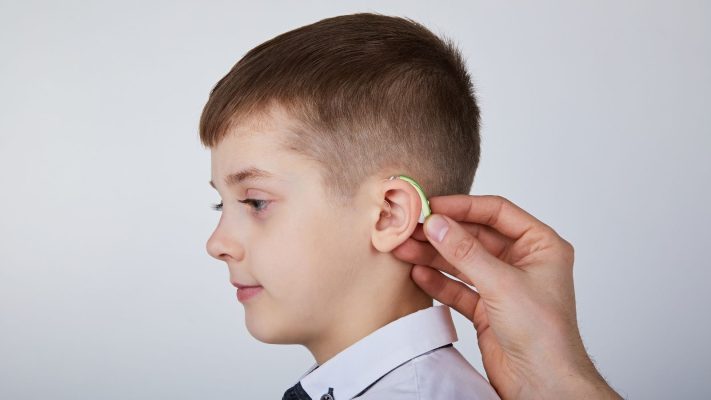
Hearing aids and implants are used to enhance the child’s hearing ability. Guidance is provided to families regarding the selection, fitting, and use of these devices. Training on device maintenance and effective use is also provided.
Assistive Listening Systems:
These systems are designed to enhance the child’s listening skills.
- Personal FM or DM systems that transmit sounds directly to hearing aids.
- Classroom sound distribution systems that ensure sound balance in the classroom.
- Induction loop systems that convert sound into magnetic signals for cochlear implants and T-coil hearing aids.
Early Intervention and Educational Services:
Early intervention is critical for children diagnosed with hearing loss. This process is carried out through individualized educational programs and family service plans.
Direct Intervention:
Audiologists, special education teachers, and speech-language pathologists develop intervention plans tailored to the child’s needs. These plans are formed with the continuous participation of the family and the child and are designed based on the child’s current abilities. Auditory-verbal education and language development are key components of this process. The family must actively participate throughout the process.
Frequently Asked Questions

Can hearing loss in children be cured?
The likelihood of recovery from hearing loss in children depends on the type of hearing loss. Conductive hearing loss, which is commonly observed in children, can often be treated with medical or surgical interventions. In sensorineural (neural) hearing loss, early diagnosis and intervention can mitigate the adverse effects of hearing loss. Therefore, hearing tests during infancy and childhood are of great importance.
When hearing aids/implants and special education interventions are properly planned and managed, the hearing loss may cease to be an obstacle. Thus, prompt action should be taken when hearing loss is detected. Early interventions support a child’s language and speech development and help ensure development in line with peers.
What causes sudden hearing loss in children?
By sudden hearing loss, we refer to sensorineural (neural) hearing loss, which is permanent. Immediate intervention is required for this type of hearing loss. Although sudden hearing loss is not commonly expected in children, the most frequent causes in childhood include head trauma, febrile convulsions (due to high fevers), meningitis, viral infections such as mumps, with ear infections being one of the most common causes.
How do we know if a baby can hear?
In our country, all newborns undergo hearing tests within the first 72 hours (before discharge) from the hospital. The standard test used for this purpose is the Automated (Screening) ABR test. This test is a highly sensitive method derived from the Diagnostic ABR (Auditory Brainstem Response) test. It allows for a rapid evaluation of the infant’s auditory nerve function using a broad-band stimulus at a single intensity. It is a screening test, not a diagnostic test.
The test result is reported as either “pass” or “fail” by the equipment and is not subject to the clinician’s interpretation. If the infant’s hearing is within normal limits, the test is reported as “pass,” indicating healthy hearing. However, this test may not detect very mild, mild, or moderate hearing loss. Infants with risk factors, even if they pass the screening, require further testing.
Which department performs a child’s hearing test?
Audiology laboratories are usually located near ENT outpatient clinics. After an ear examination is performed, the tests are carried out in the audiology department. ENT specialists refer children to audiology for testing. The actual procedures are conducted in the audiology department; however, if necessary, alternative or additional tests may be administered. The testing methods vary depending on the child’s age, cooperation, and the purpose of the examination. The child’s hearing status, the degree and cause of any hearing loss, are determined by the audiologists. Audiologists provide important information regarding test results and overall hearing health.
How long does a child’s hearing test take?
The duration of a hearing test in children varies based on several factors. In newborns, the initial hearing test is performed using screening methods. If the infant is calm and asleep, the screening can be completed within 2 to 10 minutes.
For older children, the test duration depends on the child’s age, the testing technique, cooperation, and the characteristics of the hearing loss.
Advanced diagnostic audiological tests (e.g., ABR-BERA) may take 1-2 hours from start to finish, or even longer depending on the child and the extent of the hearing loss.
How are Hearing Tests and Screening Processes Conducted in Children?
*We recommend filling out all fields to ensure the best response.
What are the Signs and Indicators of Hearing Loss in Children?
Children’s symptoms of hearing loss manifest in various ways. In infants, a lack of response to loud sounds may be observed. Additionally, a lack of interest or selective attention to surrounding sounds is a notable sign. The absence of attempts to locate a sound source, combined with insensitivity to sounds, indicates hearing problems. In infants and young children, noticeable disruptions in vocalizations and speech development may occur, and delays in reaching developmental milestones are important indicators of hearing loss.
What are the Sources of Hearing Loss in Children?
Hearing loss in children can arise from a variety of causes, both congenital and acquired. Prenatal infections or genetic predispositions often lead to congenital hearing problems. Hearing loss can sometimes result from various health issues during pregnancy. For example, anoxia or infections during pregnancy can increase the risk of hearing loss in the baby. Additionally, birth complications such as structural abnormalities of the external or middle ear, anoxia, birth trauma, Rh incompatibility, high bilirubin levels, or structural anomalies in the inner ear can lead to hearing loss.
How is Hearing Loss Diagnosed and Monitored in Children?
Early diagnosis and intervention in hearing loss are critical for a child’s development. Hearing loss affects not only language and speech development but also cognitive, social, and psychological growth. Comprehensive audiological evaluations include case history, medical referral, developmental screening, otoscopy, and an audiological test battery that encompasses acoustic immittance procedures, auditory evoked potentials (ABR, ASSR, OAEs), and behavioral tests such as BOA, conditioned audiometry, pediatric pure tone audiometry, and speech audiometry. Additionally, self-assessments and family evaluations help complete the profile of the child’s hearing health.
What are the Sources of Hearing Loss in Children and How are They Managed?
Childhood hearing loss can be due to various congenital and acquired factors. In congenital cases, prenatal infections or genetic predispositions play a major role, while acquired causes include ear infections, head trauma, and prolonged exposure to noise. Early intervention, including hearing aids and cochlear implants, is essential to support language, cognitive, social, and psychological development.
Frequently Asked Questions
Contact us for detailed information and appointments!