

 Türkçe
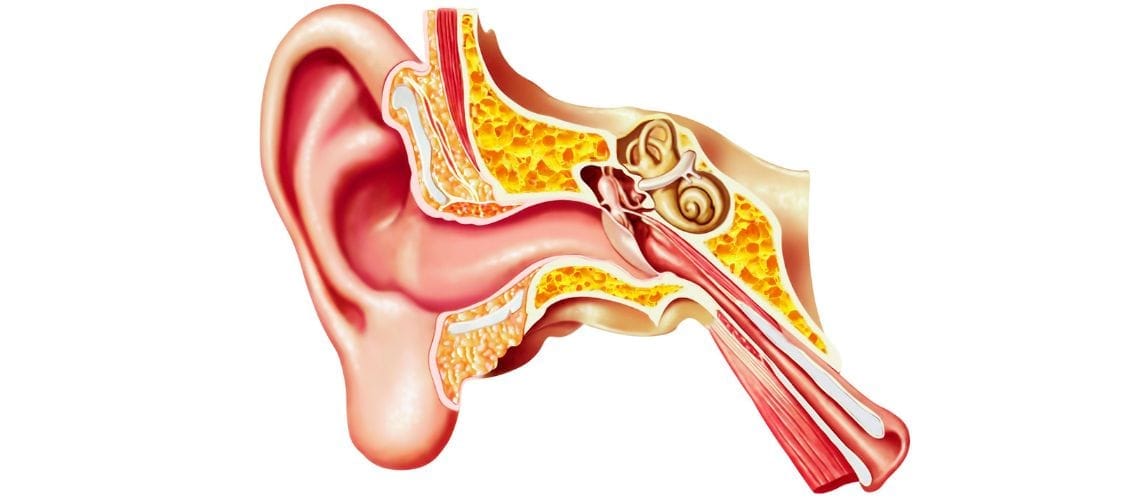
Inner ear disorders are among the most common causes of dizziness, vertigo, and balance problems. The balance organs located in the inner ear transmit balance information to the brain. Dysfunction of these structures may manifest as a sensation that the surroundings are spinning or as a feeling of imbalance.
Conditions such as Ménière’s disease, vestibular neuritis, and labyrinthitis are among the primary causes of vertigo originating from the inner ear. Additional symptoms such as hearing loss, fullness in the ear, and tinnitus may occur with these conditions. Complaints may appear severely in sudden attacks.
Inner ear disorders may significantly restrict daily life. Patients may have difficulty walking, their risk of falling may increase, and their quality of life may be negatively affected. Therefore, accurate diagnosis and appropriate treatment methods are critically important for both safety and quality of life.
Medication treatment, vestibular rehabilitation, and lifestyle changes may be applied during the treatment process. Depending on the type of disease, surgical methods may also be considered. Regular follow-up and personalized treatment plans help bring inner ear disorders under control.
What Does Vertigo Feel Like?
Dizziness is a condition in which a person has difficulty maintaining balance and feels as though the surroundings are spinning or they themselves are moving. It generally results from problems involving the inner ear or nervous system. This condition is commonly known as “vertigo.” Dizziness, however, includes various and different sensations such as lightheadedness, imbalance, weakness, and a feeling of falling into empty space without a spinning sensation.
Dizziness may present with different symptoms depending on the underlying condition. While experiencing dizziness, the person may also feel the following symptoms:
- A feeling of impending fainting (presyncope)
- Difficulty standing or walking
- Nausea
- Hearing loss and/or fullness in the ear
- Headache
These symptoms vary depending on the severity and cause of the dizziness. Conditions such as benign paroxysmal positional vertigo (BPPV), commonly known as displaced crystals, Ménière’s disease, and vestibular neuritis are among the most frequent causes of vertigo. Psychological factors, particularly anxiety or panic attacks, may also increase complaints of dizziness.
What Is Dizziness? What Are Its Symptoms, Causes, and Treatment Methods?
Dizziness is a condition in which the person feels unbalanced. Inner ear problems are generally the primary causes. However, it may also result from low blood pressure or neurological diseases. Anxiety, fatigue, stress, dehydration, and certain medications may also cause dizziness. Dizziness may be temporary, although long-lasting cases may also occur. Treatment methods vary according to the cause of the condition. Methods such as medication, balance exercises, and fluid intake are effective in alleviating dizziness. In cases of severe or chronic dizziness, medical evaluation, treatment, and vestibular rehabilitation are essential.
What Are the Common Symptoms of Dizziness?
Imbalance is a complex condition that presents with a wide variety of symptoms. These symptoms vary depending on the underlying cause. The discomfort experienced by the person may be mild in some cases and more severe and disturbing in others. Symptoms occurring during dizziness may negatively affect daily life and restrict the person’s mobility. It is also a difficult condition to describe. Therefore, during a vestibular examination, a very detailed medical history should be taken to understand the sensation of imbalance experienced by the patient. The triggers and the duration of the complaints should be determined.
Common symptoms include:
- Vertigo (Spinning sensation): The perception that the surroundings or the person themselves are moving. It is generally associated with inner ear problems and may occur together with symptoms such as nausea and hearing loss. Vertigo attacks are frequently followed by a state of dizziness.
- Lightheadedness: The person feels as though they are about to faint, which is generally associated with insufficient blood flow to the brain. This may occur together with weakness and nausea.
- Faintness (Presyncope): The person feels as though they are going to faint but does not lose consciousness. A sudden drop in blood pressure or circulatory problems may cause this condition.
- Loss of balance, a sensation of being suspended in space, or the feeling that the ground is slipping from beneath the feet: This is a condition in which the person has difficulty maintaining balance and feels as though they are swaying. It requires a very thorough vestibular examination.
What Are the Main Causes of Dizziness?
- Dehydration: When insufficient fluid is consumed, various changes occur in the body. One of the organs most affected by these changes is the brain. Because the brain’s chemical metabolism is disrupted, nervous system responses slow down, and symptoms such as headaches and auras may be triggered. As a result, dizziness may occur.
- Postural (Orthostatic) Hypotension: This is a state of imbalance or dizziness that occurs with sudden changes in body position. It is most commonly felt when standing up suddenly or when quickly straightening after bending forward. During this postural change, a sudden drop in blood pressure occurs and causes temporary dizziness and imbalance.
- Benign Paroxysmal Positional Vertigo (BPPV): Sudden episodes of vertigo occur as a result of displaced crystals in the inner ear. These episodes are triggered by specific head positions. Because it is a mechanical disorder, there is no medication treatment. It is treated with maneuvers.
- Ménière’s Disease: It is a chronic disease that develops due to an increase in endolymphatic fluid in the inner ear and progresses through attacks. Symptoms may vary depending on the damage in the inner ear and the affected area, requiring regular follow-up and thorough documentation.
- Vestibular Neuritis/Labyrinthitis: This condition, which develops after viral infections, may cause vertigo and hearing loss.
- Low Blood Pressure: Sudden dizziness may occur due to insufficient blood flow to the brain.
- Heart Disorders: In conditions such as arrhythmias and heart failure, the heart may fail to pump sufficient blood. Therefore, these disruptions in the circulatory system may cause dizziness.
- Anemia: Anemia reduces the body’s oxygen-carrying capacity, preventing sufficient oxygen from reaching vital organs such as the brain. In addition to reduced oxygen delivery to the brain, circulatory problems such as palpitations may also occur. Persistent fatigue in individuals with anemia may also be listed as another factor that increases the sensation of imbalance.
- Psychological Factors: Anxiety and panic attacks may manifest as dizziness. However, this may also be a bidirectional relationship. Dizziness and imbalance may themselves trigger anxiety. Therefore, there is a cycle between psychogenic symptoms and vestibular symptoms.
Can Medications Cause Dizziness?
Certain medications may cause dizziness or balance disorders as a side effect. Medications that affect blood pressure, the nervous system, or balance are particularly likely to cause this condition. There are various mechanisms through which medications may cause dizziness, and this may negatively affect patients’ quality of daily life.
How different medication groups may cause dizziness is explained below:
- Blood pressure medications: Antihypertensive medications such as diuretics, beta blockers, and ACE inhibitors may cause dizziness by lowering blood pressure. Diuretics reduce blood volume, which may affect blood flow to the brain and cause lightheadedness. Beta blockers may produce a similar effect by slowing the heart rate.
- Antiepileptic medications: Antiepileptic medications such as phenytoin and carbamazepine slow brain activity. These medications may affect the cerebellum and cause symptoms such as loss of coordination and dizziness. Changes in neurotransmitter levels may also trigger this condition.
- Antibiotics: Antibiotics in the aminoglycoside class, particularly gentamicin and tobramycin, have ototoxic effects. By negatively affecting the cells that control balance in the inner ear, they may cause complaints such as dizziness and vertigo.
- Chemotherapeutic Agents: Certain medications used in cancer treatment, such as carboplatin, may cause degeneration in the balance organs of the inner ear and lead to vestibular hypofunction. For individuals who experience imbalance after these treatments, receiving vestibular rehabilitation to improve balance control and postural stability is very important for enhancing quality of life.
What Should Be Done When Dizziness Is a Sign of a Serious Condition?
Dizziness may sometimes be a symptom of serious health problems, and such conditions require emergency medical intervention. Cardiovascular problems are among the important causes of dizziness. Conditions such as cardiac arrhythmias, heart failure, or orthostatic hypotension may cause dizziness. Because these heart problems may increase the risk of fainting, prompt medical evaluation is important. Sudden dizziness may also be a warning sign of serious brain conditions such as stroke or transient ischemic attack (TIA).
Such conditions may occur together with additional symptoms such as numbness on one side of the body, difficulty speaking, or confusion. When these symptoms occur, emergency medical assistance should be obtained without delay. Early intervention is extremely important to minimize brain damage. Neurological disorders may also cause dizziness and balance problems. Dizziness and imbalance are particularly common in individuals with multiple sclerosis (MS) or Parkinson’s disease. Other central nervous system problems that may cause dizziness should not be overlooked.
What Are the Best Treatment Methods for Dizziness?
Various methods are used in the treatment of dizziness, and these vary according to the source of the condition. Medication treatment is frequently preferred to relieve dizziness caused by vestibular problems. Certain medications used to reduce vertigo attacks may be effective in managing symptoms. In conditions such as Ménière’s disease, various medication protocols may also be prescribed to control fluid accumulation in the inner ear.
Positional exercises also play an important role in vertigo treatment. In cases of dizziness caused by BPPV, displaced crystals in the inner ear are returned to their correct positions using appropriate maneuvers. These maneuvers must be performed by clinicians who specialize in this field. It should be remembered that BPPV has several variants. Therefore, the type must first be identified so that the most effective maneuver can be selected. Otherwise, the dizziness may become even more severe.
Vestibular rehabilitation therapy (VRT) is another treatment method used to improve balance, increase quality of life, and reduce the risk of falls in individuals with chronic vertigo or dizziness. This therapy is particularly effective for long-term balance problems such as vestibular neuritis, vestibular migraine, PPPD, and motion sickness.
Hydration is also an important factor in the treatment of dizziness. When the body becomes dehydrated, low blood pressure may occur, which may cause dizziness.
What Are the Long-Term Complications of Untreated Dizziness?
Untreated dizziness may lead to serious physical and psychological complications in the long term. This condition carries a greater risk, particularly in older individuals or those with chronic dizziness. One of the most dangerous consequences of dizziness is the increased risk of falling. Falls may cause fractures, head injuries, and serious trauma. This may restrict mobility, particularly in older adults, and increase the need for care. It reduces the individual’s ability to remain independent and consequently increases the tendency toward depression.
Dizziness may make daily activities difficult for individuals of all ages. It may negatively affect the ability to drive, operate machinery, or walk safely, resulting in accidents. In addition, people experiencing dizziness may restrict their physical movements because they are afraid of falling. This inactivity may cause muscle weakness and deterioration in bone health. As a result, the risk of falling increases further, and the person’s overall health is negatively affected.
In addition to physical consequences, the psychological effects of untreated dizziness may also be significant. These symptoms may cause social isolation and negatively affect the person’s mood. Anxiety and depression may develop. This is because affected individuals often feel unsafe in social environments and may avoid social interaction. Reduced quality of life negatively affects both psychological and social well-being.
Frequently Asked Questions
The vestibular system in the inner ear transmits information about head movements and body position to the brain. Disorders in this system may send incorrect signals to the brain, causing vertigo, imbalance, and a sense of insecurity during movement.
BPPV, Ménière’s disease, vestibular neuritis, labyrinthitis, and age-related loss of vestibular function are among the most common inner ear disorders. The symptoms and treatment approach may vary for each condition.
A spinning sensation, staggering while walking, nausea, vomiting, blurred vision, dizziness that worsens with movement, and, in some patients, tinnitus or hearing loss may occur. Symptoms may vary according to the underlying disease.
Diagnosis involves a detailed medical history, physical examination, audiological assessment, hearing tests, v-HIT, VEMP, VNG, and imaging methods when necessary. The choice of tests is determined according to the patient’s clinical findings.
An audiologist evaluates the hearing and vestibular systems in detail and helps identify the source of the balance disorder. Based on the test results, an appropriate vestibular rehabilitation and follow-up program may be planned.
Treatment is determined according to the underlying inner ear disease. Positional maneuvers, medication treatment, vestibular rehabilitation, and lifestyle modifications may be used together to reduce symptoms.
Inner ear disorders may impair balance control and increase the risk of falling, particularly in older individuals. Early diagnosis, appropriate treatment, and balance exercises may make an important contribution to reducing this risk.
Vestibular rehabilitation is an evidence-based treatment that supports the brain in readapting to the balance system. A personalized exercise program prepared by an audiologist may help improve balance and make daily life easier.
If dizziness is accompanied by sudden hearing loss, speech impairment, double vision, altered consciousness, severe headache, or weakness in the arms or legs, emergency medical evaluation should be obtained without delay.
In many inner ear disorders, symptoms can be brought under significant control with early diagnosis and appropriate treatment. The recovery process may vary depending on the cause and severity of the disease and the patient’s adherence to treatment.

Dr. Audiologist Emel Uğur was born in 1982 in Çanakkale. She specialized in Pediatric Audiology, Otologic Disorders, and Vestibular System Disorders, and served for 15 years at the Istanbul Training and Research Hospital. In 2015, she joined the Acıbadem Healthcare Group. She currently works as an Audiologist at the Acıbadem Altunizade Hospital and also serves as a faculty member and program director in the Acıbadem University Vocational School of Health Services Audiometry Program.











Location of our clinic in Istanbul, Turkey