

 Türkçe
 Deutsch
 Français
Vestibular schwannoma is a benign tumor originating from the hearing nerve. In the early stage, it presents with dizziness, imbalance, and unilateral hearing loss. The treatment approach is determined by considering the size of the tumor and the general condition of the patient. Regardless of the treatment plan, since this tumor arises from the balance nerve, vestibular rehabilitation is recommended to improve the individual’s balance control.
In small and slowly growing tumors, observation is preferred. The growth rate of the tumor is monitored with regular magnetic resonance imaging (MRI). If complaints are minimal, conservative management can be applied without the need for surgery.
In medium and large tumors, surgical treatment is considered. Using microsurgical techniques, the tumor is removed while preserving hearing and facial nerve function as much as possible. This approach minimizes the risk of complications.
One of the alternative treatment methods is radiosurgery. This method, applied with technologies such as Gamma Knife, is effective in small tumors and allows the growth to be halted without surgery. The choice is made by considering the patient’s age and risk factors.
What Is Vestibular Schwannoma and How Is It Diagnosed?
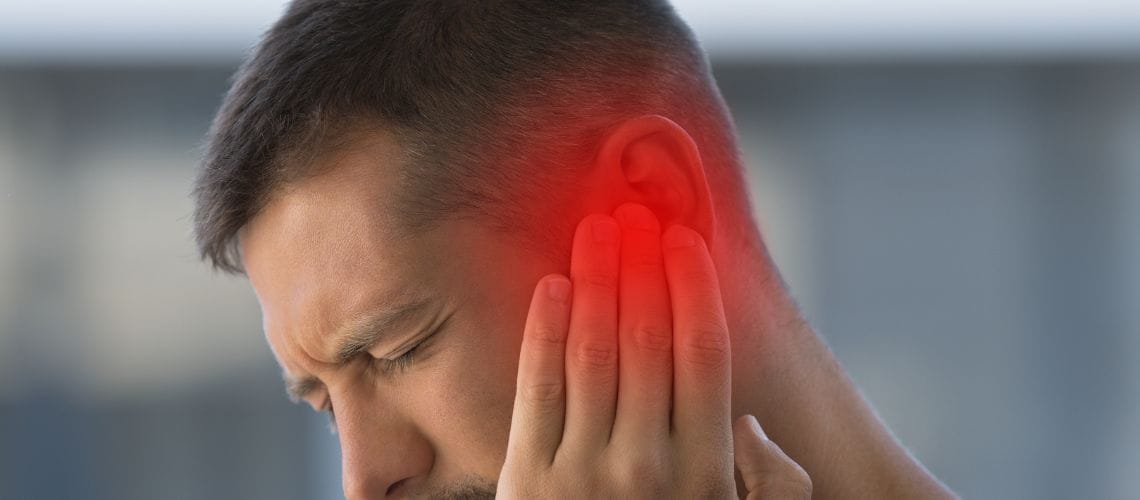
Vestibular schwannoma is a usually slow-growing benign tumor arising from the Schwann cells of the eighth cranial nerve, the vestibulocochlear nerve. This nerve carries input from balance and hearing to the brain. If the tumor affects the vestibular part, it may cause balance problems; if it affects the auditory part, it may cause tinnitus or hearing loss.
Symptoms:
- Unilateral (one-sided) hearing loss
- Ringing in the ear (tinnitus)
- Feeling of fullness in the ear
- Loss of balance
- In large tumors, facial numbness and weakness (facial paralysis)
Diagnostic Methods:
Hearing Tests:
- Pure-tone and speech audiometry are used to evaluate hearing loss and speech discrimination (unilateral sensorineural hearing loss is the most typical finding).
Imaging Techniques:
- Magnetic Resonance Imaging (MRI)
- Computed Tomography (CT)
Electrophysiological Tests:
- Auditory brainstem responses (ABR) for objective evaluation of all auditory pathways up to the brainstem level
Balance Tests:
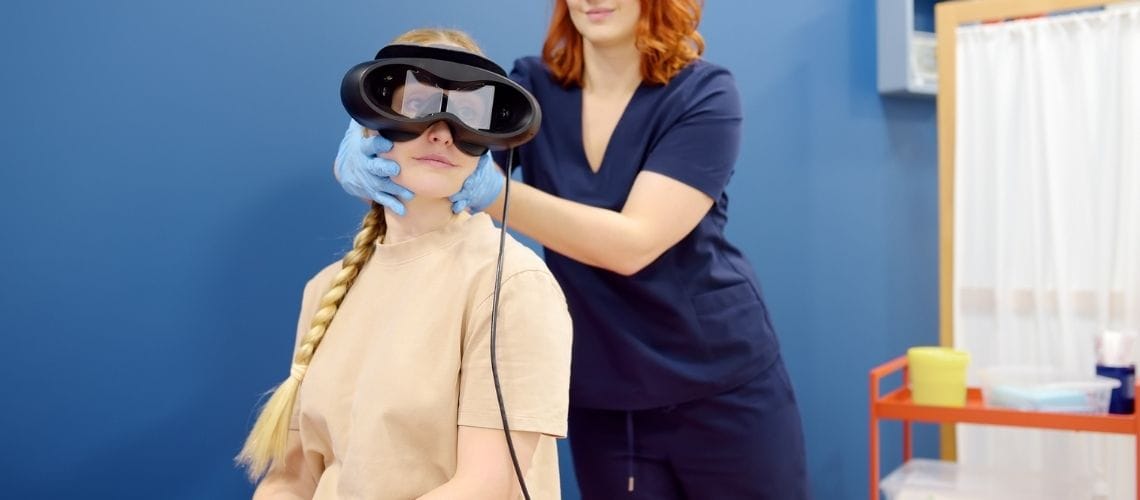
- To examine vestibular functions: VNG, caloric test, v-HIT, and VEMP tests
The most important tool in the diagnosis of vestibular schwannomas is MRI. This method clearly shows the size and location of the tumor. CT is an alternative option when MRI cannot be performed, but may be insufficient in detecting small tumors.
When Is an Observation Strategy Appropriate for Vestibular Schwannoma?
In the treatment of vestibular schwannoma, observation is an effective strategy for certain patient groups and tumor characteristics. This strategy can be applied by considering the size of the tumor, its growth rate, and the general health status of the patient:
- Mild symptoms
- Asymptomatic patients
- Elderly patients
- Patients with chronic diseases
- Small-sized tumors
During the observation process, regular MRI scans and clinical evaluations are performed. Follow-ups, usually conducted once a year, may be rescheduled depending on the growth of the tumor. This approach aims to avoid unnecessary interventions and minimize treatment risks. Transition to active treatment is considered in cases of tumor growth or increasing symptoms.
What Are the Surgical Options in the Treatment of Vestibular Schwannoma?
In the treatment of vestibular schwannoma, surgical methods are selected based on the size and location of the tumor, hearing status, and the patient’s general health. While surgical approaches aim to remove the tumor, they seek to preserve the surrounding tissues and nerves. The preservation of hearing or prevention of further hearing loss plays an important role in determining the surgical technique.
How Does Stereotactic Radiosurgery Work in the Management of Vestibular Schwannoma?
Stereotactic radiosurgery (SRS) is an innovative method used in the treatment of vestibular schwannoma without the need for open surgery. It delivers focused high-dose radiation to tumor cells, damaging their DNA and eliminating their ability to reproduce. At the same time, it affects the vessels feeding the tumor, helping to stop its growth:
- High-resolution imaging is performed
- A three-dimensional treatment plan is prepared
- The patient is kept stable in the treatment position
- Gamma Knife or linear accelerators are used
- The surrounding tissues are protected
SRS is an effective option especially in patients who cannot tolerate surgical risks or do not want surgical intervention. In the majority of treated patients, tumor growth is successfully controlled. Long-term outcomes are generally favorable and are notable for high tumor control rates.
One of the most important advantages of this method is that the preservation rates of the hearing nerve and facial nerve are quite high. However, when deciding on treatment, factors such as tumor size, location, and the patient’s overall health status must be carefully evaluated. Larger tumors or those compressing the brainstem may require different treatment approaches. Although rare, some patients may experience temporary nerve-related side effects. SRS is a minimally invasive treatment method with a rapid recovery process.
What Are the Possible Risks and Complications Associated with Vestibular Schwannoma Treatments?
Although vestibular schwannoma treatments offer effective results, they may be associated with various risks and complications. These risks can vary depending on the method used and the patient’s condition.
Observation (“Wait and See”):
- Tumor growth
- Progression of hearing loss
Surgical Intervention:
- Facial nerve damage
- Cerebrospinal fluid (CSF) leak
- Hearing loss
- Balance disturbances
- Tinnitus
- Brainstem injury
Radiotherapy:
- Radiation-induced nerve damage
- Hearing loss
- Development of secondary tumors
New Treatment Methods:
- Systemic side effects (for example, hypertension, bleeding, delayed wound healing)
- Uncertainty of long-term effects
The treatment process requires an individualized approach for each patient. The appropriate method should be selected by considering the size and location of the tumor, the patient’s vital functions, and general health status.
How Do Individual Patient Factors Influence the Choice of Vestibular Schwannoma Treatment?
In the treatment process of vestibular schwannoma, each patient’s individual factors directly influence the choice of therapy. The patient’s health status, personal preferences, psychological profile, and level of cognitive awareness play an important role in this process.
Tumor characteristics:
- Small or slow-growing tumors
- Large or fast-growing tumors
Hearing status:
- Patients without hearing loss
- Patients with partial hearing loss
General health status:
- Young and healthy individuals
- Elderly individuals or those with chronic diseases
Personal factors are also an important determinant. The patient’s profession, lifestyle, and treatment preferences must be taken into account.
Occupation and lifestyle:
- Those working in professions where hearing is critical
- Individuals whose work requires less auditory sensitivity
Access to treatment and transportation:
- Patients living close to a treatment center
- Those living far away and having difficulty accessing regular treatment
Psychological status and trust also affect the process. Attitudes toward treatment, past experiences, and levels of anxiety are important.
Psychological resilience:
- Individuals with high levels of anxiety
- Individuals who adopt a more relaxed approach
Level of trust in the doctor:
- Patients who fully trust their doctor
- Individuals who are more skeptical
Finally, patients’ level of knowledge and previous medical experiences should not be overlooked.
Frequently Asked Questions
In which situations is vestibular schwannoma therapy preferred surgically?
Surgery is generally performed when the tumor is large, hearing loss is rapidly progressing, or there is compression on the brainstem. The decision is made according to the patient’s age, overall health, and hearing status. You should discuss this issue with a neurosurgeon.
What advantages does radiosurgery offer in the treatment of vestibular schwannoma?
Radiosurgery is a non-incisional method aimed at stopping tumor growth. It is generally preferred in small and medium-sized tumors and has a shorter recovery period. You should discuss this issue with a neurosurgeon.
How common is hearing loss after vestibular schwannoma therapy?
The risk of hearing loss after treatment depends on the size of the tumor, the method used, and the patient’s existing level of hearing. The chances of preserving hearing are higher in small tumors, whereas in advanced stages permanent loss may occur. You should seek support from audiologists for hearing loss. In addition, since vestibular schwannoma is a condition that impairs balance function, vestibular rehabilitation is recommended.
How is vestibular schwannoma treatment planned during pregnancy?
During pregnancy, surgical and radiation treatments are generally postponed. Close follow-up is carried out during this period, and after delivery, the growth rate of the tumor is evaluated to determine the most appropriate treatment option. This is a situation you should discuss with a neurosurgeon.
How are balance problems managed after vestibular schwannoma therapy?
Balance problems are common and can be managed with vestibular rehabilitation and balance exercises. Over time, the brain develops new balance pathways and adapts; during this process, patience and regular rehabilitation are important. Physical exercise supports faster recovery.
Is there a risk of facial nerve palsy after vestibular schwannoma therapy?
Yes, especially in surgical treatment, there is a risk due to the proximity of the facial nerve to the tumor. Although experienced surgeons aim to minimize this risk, temporary or permanent paralysis may occur. This is an issue that should be discussed with a neurosurgeon.
Can the tumor recur after vestibular schwannoma therapy?
There is a risk of regrowth over time in tumors that are not completely removed or are treated only with radiosurgery. Therefore, regular magnetic resonance (MR) imaging is recommended after treatment. This is an issue you should discuss with a neurosurgeon.
Are lifestyle changes effective in the treatment of vestibular schwannoma?
Lifestyle changes do not directly shrink the tumor, but healthy nutrition, regular exercise, and stress management support the recovery process. Exercises that strengthen balance are particularly beneficial. Maintaining hearing in the affected ear contributes significantly not only to quality of life but also to balance skills.
How long is the recovery period after vestibular schwannoma therapy?
The recovery period depends on the method used. After surgery, several weeks of intensive recovery are usually required, while after radiosurgery it is generally possible to return to daily life in a shorter time. This is a matter you should discuss with a neurosurgeon.
Why is psychological support important in vestibular schwannoma treatment?
A tumor diagnosis, hearing loss, and balance problems can cause anxiety and depression in patients. Psychological support increases adherence to treatment and helps maintain quality of life.

Dr. Audiologist Emel Uğur was born in 1982 in Çanakkale. She specialized in Pediatric Audiology, Otologic Disorders, and Vestibular System Disorders, and served for 15 years at the Istanbul Training and Research Hospital. In 2015, she joined the Acıbadem Healthcare Group. She currently works as an Audiologist at the Acıbadem Altunizade Hospital and also serves as a faculty member and program director in the Acıbadem University Vocational School of Health Services Audiometry Program.







Location of our clinic in Istanbul, Turkey