

 Türkçe
 Deutsch
 Français
Vestibular migraine is a neurological disorder characterized by dizziness and balance disturbances. It may occur together with or independently of migraine-type headaches. Visual sensitivity, nausea, and movement-induced worsening of dizziness are among the most frequently reported symptoms.
A detailed patient history and neurological examination are essential in the diagnosis of vestibular migraine. Imaging methods and vestibular tests help to rule out other diseases that present with similar findings. Once the diagnosis is confirmed, an individualized treatment plan is created.
In treatment, migraine-preventive medications and lifestyle modifications are of great importance. Regular sleep, limitation of caffeine and alcohol, stress management, and vestibular rehabilitation contribute to controlling the symptoms.
In the long-term management of vestibular migraine, patients need to be followed up regularly. When medication, dietary changes, and vestibular rehabilitation are applied together, quality of life increases significantly.
What Are the Symptoms of Vestibular Migraine?
Vestibular migraine is a complex condition that affects the balance and hearing systems. Patients experience various and fluctuating symptoms. The most prominent symptom is vertigo (dizziness), which may sometimes last for seconds or continue for days. Typically, there is active vertigo (dizziness) in the beginning; over time this is replaced by dizziness, that is, imbalance and a feeling of light-headedness.
- Vertigo and Dizziness: Ranges from a mild spinning sensation to intense attacks. Dizziness worsens with head movements.
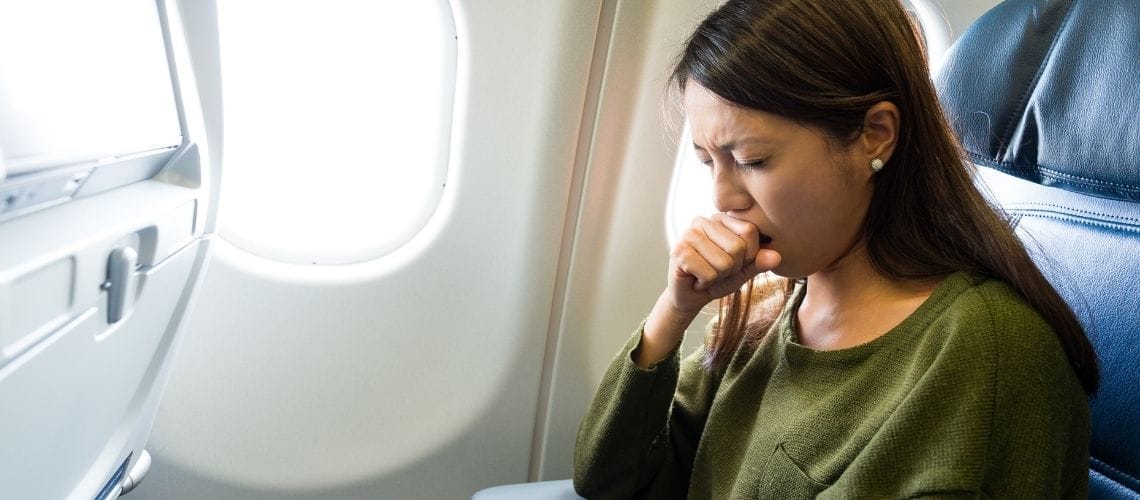
- Nausea and Vomiting: Severe dizziness causes nausea and may trigger vomiting.
- Headache: Appears as throbbing or pulsating pain and may worsen with physical activity. (A headache does not have to be present in every attack.)
- Photophobia and Phonophobia: Sensitivity to light and sound is particularly evident during headache or vertigo episodes.
- Tinnitus and Hearing Changes: Ringing in the ears may occur during attacks. Hearing loss is not specific. However, considering the relationship between vestibular migraine and Meniere’s disease, if there are auditory changes, it is necessary to apply to a hospital immediately.
- Visual Disturbances: Visual aura and difficulty focusing may be observed.
- Unsteady Gait, Balance Problems: Loss of balance may lead to unsteady walking and falls. Falls can cause unpredictable, different, and serious problems; therefore, caution is essential.
- Neck Stiffness and Discomfort: Neck pain and stiffness may increase overall discomfort.
- Confusion and Cognitive Changes: Difficulty concentrating and mental fog may occur. In such cases, it is necessary to apply to a hospital without delay in order to rule out other possible causes.
It should be remembered that these symptoms can significantly affect patients’ daily activities. Therefore, the diagnosis and treatment of vestibular migraine should be individualized according to the patient’s specific symptoms.
Is Vestibular Migraine Different from Typical Migraine?
Vestibular migraine differs significantly from typical migraine, and these differences can be examined under three main categories:
Symptom Profile:
- Patients with vestibular migraine experience dizziness, loss of balance, and light-headedness independent of headache.
- These symptoms contrast with the throbbing headache, nausea, vomiting, and sensitivity to light and sound observed in regular migraine.
Affected Brain Regions:
- In vestibular migraine, abnormal activity is observed in the vestibular nuclei and cerebellum, which lead to dizziness and balance disturbances.
- In regular migraine, however, pain is associated with trigeminal nerve involvement and cortical spreading depression.
Triggers:
- Both migraine types share common triggers such as stress and hormonal changes.
- Specifically for vestibular migraine, movement, certain head positions, and moving visual stimuli can act as triggers.
- In both migraine types, sensory overload such as bright lights and strong odors commonly act as triggers.
What Triggers Vestibular Migraine Attacks?
Vestibular migraine attacks can be triggered by various factors. The most prominent triggers include:
Stress and Emotional Factors: These factors lead to physiological changes and affect both migraine and the vestibular system. Emotional stress in particular can directly influence both migraine and vestibular functions.
Hormonal Changes: Fluctuations in hormone levels, especially in estrogen, can trigger migraine attacks in women. During periods such as menstruation, pregnancy, and menopause, attacks may increase.
Sleep Irregularities: Adequate and regular sleep is of critical importance in the management of vestibular migraine. Sleep deprivation and irregular sleep patterns may trigger attacks.
Dietary Factors: Certain foods and beverages can precipitate attacks. Notably:
- Aged cheeses such as mature cheddar
- Processed meats
- Alcohol and caffeine
- Foods high in tyramine or MSG (monosodium glutamate)
- Cheeses, smoked foods, vinegar, pickles, and other fermented foods, etc.
- Skipping meals
- Dehydration
Environmental Factors: Environmental changes and stimuli can also trigger attacks.
- Changes in barometric pressure
- Bright lights, loud noises, and strong smells
Sensory Overload: Visual and sensory overstimulation, especially:
- Visual patterns
- Prolonged screen use
- Complex motion environments (3D cinemas, digital arts, etc.)
Physical Factors: Intense physical activity and sudden head movements may trigger attacks, especially in sensitive individuals.
Medications: Drugs that affect blood vessels and the nervous system may trigger attacks in susceptible people.
Being aware of these triggers can help in the prevention and management of vestibular migraine attacks.
How Is Vestibular Migraine Diagnosed?
The diagnosis of vestibular migraine is based on specific clinical criteria. These criteria have been established in collaboration with the International Classification of Headache Disorders and the Bárány Society. In the diagnostic process, the patient’s migraine history and vestibular symptoms are evaluated. In this process, ruling out other causes is essential.
Diagnostic Criteria:
- Recurrent Vestibular Symptoms: At least five attacks manifesting as vertigo, dizziness, or imbalance. These symptoms are of moderate to severe intensity and last from 5 minutes to 72 hours.
- Migraine History or Features: Migraine features such as headache, photophobia/phonophobia, or visual aura are present in more than half of the attacks. Some patients have a history of migraine with or without aura.
- Exclusion of Other Causes: Another vestibular disorder or different diagnosis should not better explain the symptoms.
Diagnostic Tools:
- Detailed Patient History: The patient’s history is critical in revealing the relationship between migraine and vestibular symptoms.
- Questionnaires and Scales: The Dizziness Handicap Inventory and Vertigo Symptom Scale are used to assess the severity and impact of symptoms.
- Neuro-otological Examination: v-HIT, VNG together with caloric testing and vestibular evoked myogenic potentials are important in ruling out other vestibular disorders.
- Imaging Techniques: Methods such as MRI are preferred, especially in atypical cases, to exclude other structural causes.
Differential Diagnosis:
- Vestibular migraine can be difficult to distinguish from other disorders such as Meniere’s disease or BPPV. For this differentiation, characteristics such as the pattern of vertigo attacks and the response to migraine treatments are taken into account.
How Is Vestibular Migraine Treated?
The treatment of vestibular migraine requires a multidisciplinary approach. Since vestibular migraine is a neurological pathology, neurologists must be involved in managing the migraine component. In addition, in order to improve the person’s quality of life and reduce the frequency of attacks, audiologists should apply individualized vestibular rehabilitation therapies. This collaboration is essential for lifelong balance control and postural stability.
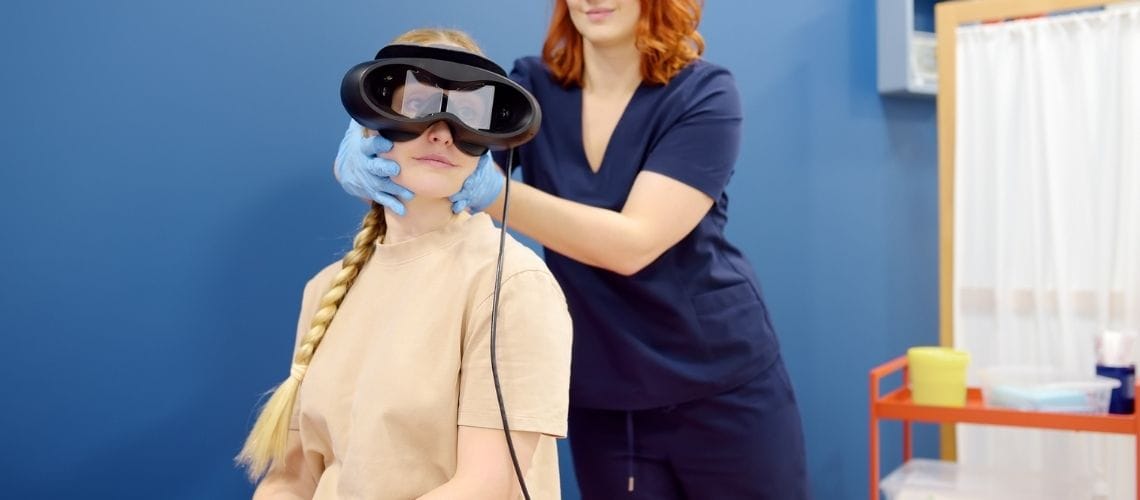
In vestibular rehabilitation therapies, not only the management of vertigo but also habituation, adaptation, and desensitization strategies are applied. These therapies must include exercises and adjustments tailored specifically to the individual. There is no standardization. Whatever the individual’s needs are, the therapy program should be shaped accordingly.
In vestibular migraine therapies, traditional methods should be combined with technological approaches. In this way, a more effective and sustainable program can be achieved. In addition, many individuals with vestibular migraine have a high sensitivity to motion sickness. Therefore, adding motion sickness therapies to the program increases its effectiveness.
Finally, individuals with vestibular migraine should definitely receive counseling from their audiologists so that they can make the necessary lifestyle adjustments. In this way, patients better understand and manage how to control triggers and how to make lifestyle changes in the most appropriate way. Furthermore, within the framework of counseling, important tips aimed at reducing the frequency and severity of attacks are provided. These tips are of great importance for individuals with vestibular migraine.
Frequently Asked Questions
Does vestibular migraine cause dizziness?
Dizziness is one of the most common complaints during vestibular migraine attacks. During this period, loss of balance, light-headedness, and movement-induced dizziness may also accompany the picture.
What is the difference between vestibular migraine and classic migraine?
While classic migraine is mainly characterized by headache and sensitivity to light, the predominant symptom of vestibular migraine is dizziness. Nausea, vomiting, and visual sensitivity may be seen in both conditions.
What factors trigger vestibular migraine?
Stress, sleep irregularities, hormonal changes, certain foods, and intense light can trigger vestibular migraine attacks. Recognizing these triggers is important for preventive strategies.
Is vestibular migraine more common during pregnancy?
Due to hormonal changes in pregnancy, vestibular migraine attacks may increase in some women. However, there are individual differences; in some people, attacks may decrease during pregnancy.
Can vestibular migraine occur in children?
Yes, vestibular migraine can also occur in children. Dizziness attacks in children are usually short-lived, and diagnosis may be challenging. Early neurological evaluation is important.
What is the impact of vestibular migraine on quality of life?
In patients who experience frequent attacks, work life, social relationships, and daily activities are adversely affected. Dizziness and imbalance can lead to anxiety and withdrawal from life.
What treatment methods are used for vestibular migraine?
Treatment includes lifestyle modifications, avoidance of triggers, migraine medications, and vestibular rehabilitation exercises. In some patients, preventive medication may also be necessary.
How long do vestibular migraine attacks last?
Attacks usually last from a few minutes to several hours. In some patients, dizziness may be followed by a feeling of light-headedness that continues for days. The duration varies from person to person.
How is vestibular migraine differentiated from inner ear diseases?
Although similar dizziness complaints occur, vestibular migraine is usually distinguished by a migraine history and associated sensitivity to light and sound. A definitive diagnosis requires neurological evaluation.
What lifestyle changes help prevent vestibular migraine?
Regular sleep, healthy nutrition, limiting caffeine and alcohol, stress management, and exercise help reduce vestibular migraine attacks. Recognizing triggering factors is also important.

Dr. Audiologist Emel Uğur was born in 1982 in Çanakkale. She specialized in Pediatric Audiology, Otologic Disorders, and Vestibular System Disorders, and served for 15 years at the Istanbul Training and Research Hospital. In 2015, she joined the Acıbadem Healthcare Group. She currently works as an Audiologist at the Acıbadem Altunizade Hospital and also serves as a faculty member and program director in the Acıbadem University Vocational School of Health Services Audiometry Program.



Location of our clinic in Istanbul, Turkey