

 Türkçe
Vertigo may cause weakness and loss of appetite in addition to dizziness. Disorders in the balance system affect the body’s overall energy balance. Individuals who experience persistent dizziness may develop noticeable fatigue during daily activities.
Nausea and vomiting caused by vertigo are among the main factors leading to loss of appetite. This condition is seen more frequently, especially during attack periods. Adequate fluid intake and eating small meals help compensate for these losses.
Weakness may also negatively affect adherence to vertigo treatment. Prolonged fatigue may disrupt the patient’s social life and psychological condition. Therefore, supportive treatment and lifestyle adjustments are of great importance.
Paying attention to dietary habits, reducing salt, and limiting caffeine consumption both reduce vertigo attacks and relieve complaints of weakness. Healthy lifestyle habits play a complementary role in controlling the disease.
What Is Vertigo and What Symptoms Is It Associated With?
Vertigo is a condition that causes a person to feel as though the world around them is spinning. This condition generally results from problems in the inner ear. Severe vertigo attacks may negatively affect daily activities and threaten personal safety. Conditions characterized by vertigo may also generally involve a feeling of imbalance and visual field disturbance. The following symptoms are also frequently seen:
- Nausea and vomiting
- Tinnitus and hearing loss
- Headache and excessive sweating
- Sensitivity to light/sound/odor
- Palpitations, etc.
If any of these symptoms occur repeatedly or severely, it is recommended to consult a healthcare professional for early diagnosis and appropriate treatment in cases of vertigo. Conditions involving the inner ear and nervous system are prominent in disorders characterized by vertigo. Due to the etiological diversity and complex nature of dizziness, it must be evaluated in detail.
The Connection Between Vertigo and Weakness
Vertigo is associated with impairment of the balance mechanism. It also significantly affects a person’s daily energy and quality of life. Dizziness and loss of balance generally strain a person’s body coordination, which increases energy expenditure. As a result, weakness and fatigue are frequently experienced during vertigo attacks. These conditions may further worsen the person’s general health:
- Increased energy expenditure due to vertigo causes difficulty performing daily activities.
- Balance disorder restricts a person’s mobility, causing them to become less active.
In some cases, medications used to treat vertigo may also cause weakness:
- The side effects of medications include fatigue and low energy.
- Continuous medication use may negatively affect the body’s natural energy levels.
In addition, psychological effects also trigger weakness in people with chronic vertigo:
- Dizziness and persistent balance problems increase anxiety and stress.
- These psychological conditions lead to a general feeling of fatigue and reduced energy.
What Are the Physiological Effects?
Vertigo may occur due to problems in the vestibular system. Improper functioning of the vestibular system causes energy to be rapidly depleted. Especially during vertigo attacks, reduced blood flow in the inner ear or brain causes energy loss due to inadequate oxygen distribution. This condition triggers the following physiological changes:
- Disturbances in blood circulation
- Inadequate oxygen transport
In addition, vertigo increases anxiety and stress levels, triggering physiological stress responses. Increased stress hormones cause the body’s energy reserves to be rapidly depleted. Furthermore, sleep problems associated with vertigo, such as:
- Reduced sleep quality
- Insomnia
also contribute to an increased feeling of weakness. Therefore, vertigo may affect weakness through various physiological mechanisms, and this condition may significantly reduce the patient’s quality of daily life.
The Connection Between Inner Ear Diseases and Weakness
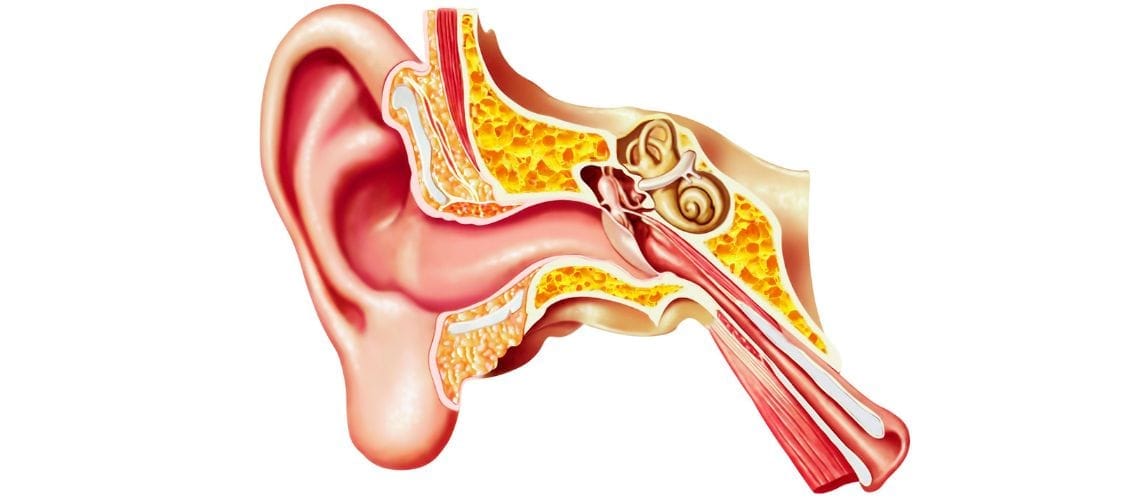
The inner ear is the center of hearing and balance mechanisms. Problems occurring in this region may directly affect general health. Infections developing in the inner ear or diseases such as labyrinthitis cause symptoms such as dizziness and loss of balance. These symptoms reduce the person’s overall energy level and may lead to weakness. In addition, persistent dizziness causes coordination difficulties and disruptions in daily tasks. These conditions include:
- Dizziness
- A feeling of lightheadedness
- Lack of coordination
- Nausea and vomiting
- Loss of appetite
What Are the Methods for Relieving Weakness Following Vertigo Attacks?
Vertigo may create a noticeable feeling of weakness in individuals, especially after severe attacks. Various methods may be applied to relieve this condition. First, it is important to pay attention to sleep patterns. Adequate and high-quality sleep contributes to the body’s recovery and maintenance of energy levels. Taking short rest breaks during the day also helps the body regain energy.
- Water Consumption: Nausea and vomiting may occur during vertigo, increasing the risk of dehydration. Drinking plenty of water maintains fluid balance in the body and may reduce weakness.
- Balanced Nutrition: A healthy and balanced diet increases overall energy levels. It should include:
- Good protein sources
- Plenty of vegetables and fruits
- Healthy fats
Eating small and frequent meals helps balance blood sugar. This allows energy levels to become more stable. Stress management is also important during this process. Yoga, meditation, and breathing techniques may reduce stress, relieve vertigo symptoms, and consequently reduce the feeling of weakness. Vestibular rehabilitation therapies and balance exercises may be effective in coping with weakness after vertigo by improving general health and physical functions.
The Relationship Between Vertigo and Loss of Appetite
Vertigo causes various symptoms in addition to dizziness, and these symptoms may disrupt a person’s eating habits. Dizziness and balance problems may trigger nausea and vomiting, naturally leading to loss of appetite. Medications used to treat vertigo may also cause loss of appetite. The side effects of these medications include nausea and a reduced desire to eat. These conditions caused by vertigo include:
- Dizziness and balance problems
- Nausea and vomiting that develop as a result
- Side effects of vertigo medications
Frequently Asked Questions
During vertigo, impairment of the balance system may cause nausea, vomiting, and motion sensitivity. This condition may reduce the desire to eat, cause fluid loss, and lead to a temporary feeling of weakness.
Weakness or loss of appetite does not develop in every patient with vertigo. These symptoms are seen more frequently, especially during severe vertigo attacks, and may vary according to the type of underlying disease, the duration of the attack, and the person’s general health.
Nausea, vomiting, loss of appetite, and weakness may be more pronounced in causes of vertigo such as vestibular neuritis, Meniere’s disease, and vestibular migraine. The severity of symptoms may vary from person to person.
During a vertigo attack, consuming adequate fluids, eating small and frequent meals, and choosing light foods that do not strain the stomach may help relieve symptoms. The nutrition plan should be arranged according to the underlying disease.
If dizziness is accompanied by hearing loss, tinnitus, or a prolonged balance problem, an audiological evaluation should be performed. Hearing tests and necessary vestibular examinations contribute to an accurate diagnosis.
If imbalance continues after a vertigo attack, vestibular rehabilitation may be recommended. Exercises planned by an audiologist may support adaptation of the balance system and facilitate a return to daily activities.
Weakness and loss of appetite generally begin together with a vertigo attack and may last for several hours or several days depending on the underlying cause. Prolonged or worsening symptoms must be evaluated by a specialist.
Regular sleep, adequate water consumption, stress management, and adherence to the treatment plan recommended by the physician may contribute to controlling vertigo symptoms. Avoiding sudden head movements may also provide relief during an attack.
If dizziness is accompanied by sudden hearing loss, speech impairment, double vision, altered consciousness, severe headache, weakness in an arm or leg, or uncontrollable vomiting, urgent medical evaluation should be performed.
If dizziness recurs frequently, affects daily life, or occurs together with hearing loss, tinnitus, and balance disorder, an ear, nose, and throat specialist and an audiologist should be consulted. Early diagnosis may improve treatment success.

Dr. Audiologist Emel Uğur was born in 1982 in Çanakkale. She specialized in Pediatric Audiology, Otologic Disorders, and Vestibular System Disorders, and served for 15 years at the Istanbul Training and Research Hospital. In 2015, she joined the Acıbadem Healthcare Group. She currently works as an Audiologist at the Acıbadem Altunizade Hospital and also serves as a faculty member and program director in the Acıbadem University Vocational School of Health Services Audiometry Program.











Location of our clinic in Istanbul, Turkey