

 Türkçe
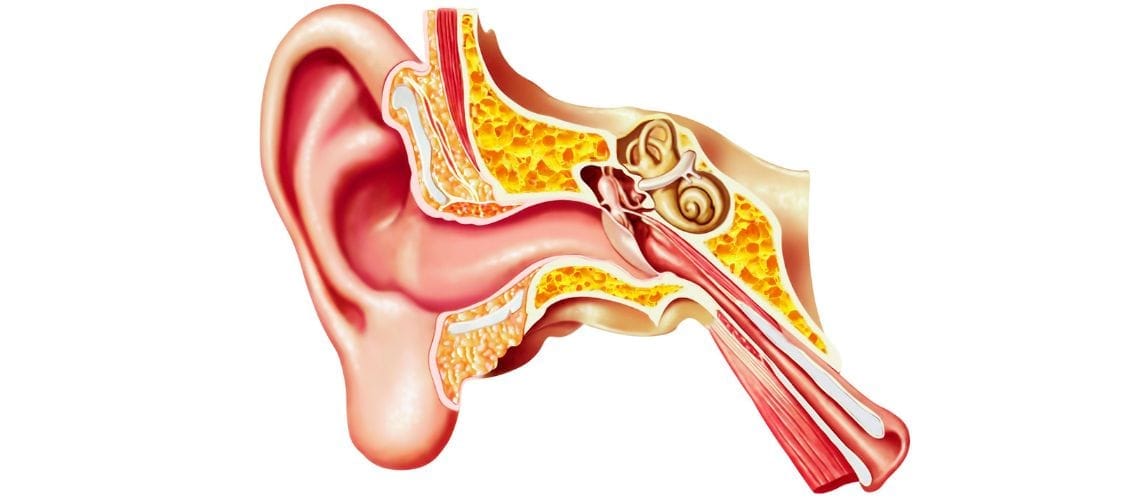
The Yacovino maneuver is a specialized method used in the treatment of benign paroxysmal positional vertigo (BPPV). It is particularly used in patients with posterior semicircular canal involvement (cupulolithiasis) or anterior canal involvement, enabling the displaced crystals to settle through changes in head position.
The maneuver is performed using simple head movements and is often effective in a single session. This technique is an important tool in vestibular rehabilitation and helps eliminate dizziness without the need for medication.
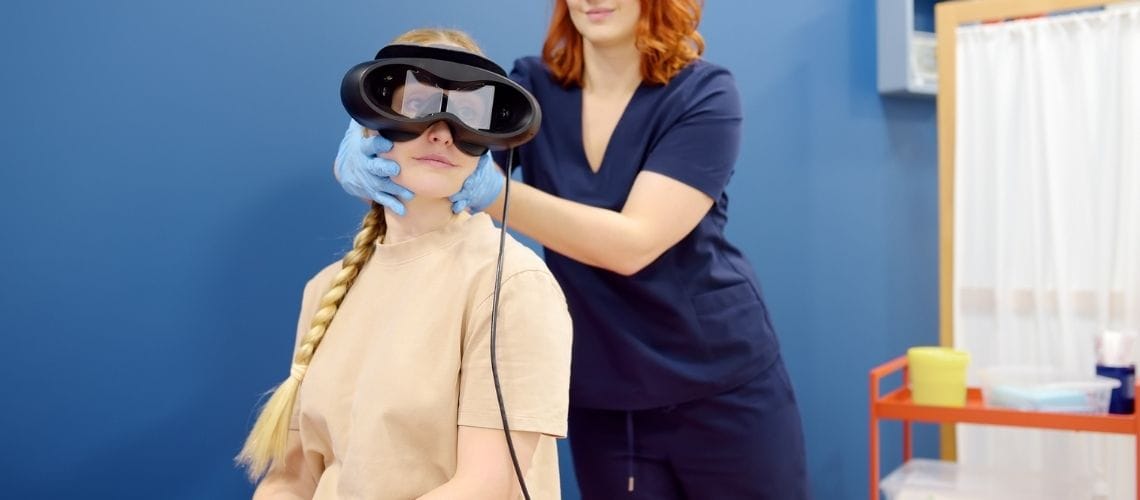
The Yacovino maneuver is applied to patients whose diagnosis has been confirmed with the Dix-Hallpike test. During this test, placing the head in specific positions reveals typical vertigo findings and indicates the need for the maneuver.
Patients are advised to limit head movements for a period after the maneuver. It may also be repeated in recurrent attacks. With regular follow-up and correct application, dizziness caused by BPPV can largely be controlled.
In Which Conditions Is the Yacovino Maneuver Effective?
The Yacovino Maneuver is recommended for specific conditions in the treatment of dizziness. It is frequently used in cases of dizziness caused by free-floating otoconia in the inner ear. It is particularly effective in AC-BPPV cases. The maneuver is also an effective method for freeing otolith debris attached to the sensory organ. Although these conditions generally require more complex treatment methods, the Yacovino Maneuver offers a simple solution.
The conditions in which this maneuver is effective include:
- Anterior canal benign positional vertigo
- Inner ear conditions involving free-floating particles
- Particles attached to the sensory organ
How Is the Yacovino Maneuver Performed?
Performing the Yacovino Maneuver requires careful steps. If it is applied incorrectly, nausea, vomiting, and an increase in the severity of dizziness may occur. Therefore, it must be performed by clinicians under clinical conditions.
As a result of incorrectly performed maneuvers, the otolith may move into a different canal. This may make treatment more difficult and complex.
What Should Be Considered Before and After the Yacovino Maneuver?
The steps to be followed before and after the Yacovino Maneuver should be handled carefully. Since the otoliths will be released after the maneuver, bending and lying down should particularly be avoided. Sleeping with the head elevated after the Yacovino maneuver will increase the effectiveness of the maneuver.
What Is the Success Rate of the Yacovino Maneuver?
Controlled studies conducted to measure the success of the Yacovino maneuver indicate that it is the most effective method for the AC-BPPV variant. Among various maneuvers, including the Yacovino maneuver, an average success rate of 78.8% has been achieved in the treatment of AC-BPPV.
Is There a Risk of Recurrence After the Yacovino Maneuver?
In some cases, a risk of BPPV recurrence is observed after the Yacovino Maneuver. This generally occurs during the transition from the anterior canal to the posterior canal. Although the effectiveness of the Yacovino Maneuver is unquestionably significant, problems such as:
- Transition from the anterior canal to the posterior canal,
- This transition causing symptoms to recur in different canals,
may occur. A modified version has been proposed to reduce these risks. This modified method aims to improve patient safety and reduce the likelihood of recurrence. Therefore, applying such a modification during treatment may produce positive outcomes for patients. This recommendation may both accelerate the recovery process and improve patient comfort during treatment.
Frequently Asked Questions
The Yacovino maneuver is a specialized positional maneuver used particularly in the treatment of anterior (superior) semicircular canal BPPV. When the correct canal is identified through an audiologist’s evaluation, it may help the crystals return to their natural position.
The Yacovino maneuver involves applying specific head and body positions in sequence. Since incorrect technique may increase symptoms or cause the crystals to move into different canals, it is recommended that the maneuver be performed by an experienced audiologist.
In many patients, dizziness may decrease significantly after the first application. However, some people may require more than one session for complete recovery. The recovery period may vary according to the severity of the displaced crystals and the patient’s condition.
It is important to follow the audiologist’s recommendations, avoid sudden head movements for a short period, and monitor the symptoms after the maneuver. The success of the treatment can be evaluated during a follow-up examination, and additional applications may be planned if necessary.
The Yacovino maneuver is not used for every patient with BPPV. The choice of maneuver is determined according to the affected semicircular canal and the source of the dizziness. Therefore, a detailed audiological evaluation plays an important role in treatment planning.
If the complaints continue, the diagnosis is reassessed, and different positional maneuvers, vestibular rehabilitation, or additional medical evaluations may be planned. The correct treatment approach depends on accurately identifying the underlying cause.
Despite successful treatment, BPPV may develop again over time. When new dizziness attacks begin, prompt audiological evaluation and repetition of the appropriate maneuver may increase treatment effectiveness.
Before performing the Yacovino maneuver in older individuals, neck mobility, spinal health, and overall medical condition are evaluated. In suitable patients, it can be performed safely under specialist supervision and may help reduce balance complaints.
In some patients, balance problems or fear of movement may continue after the maneuver. In this case, vestibular rehabilitation exercises planned by an audiologist may improve adaptation of the balance system and support the return to daily life.
The Yacovino and Epley maneuvers are treatment methods targeting different semicircular canals. The maneuver to be applied is determined according to the canal containing the displaced crystals following a detailed audiological evaluation.

Dr. Audiologist Emel Uğur was born in 1982 in Çanakkale. She specialized in Pediatric Audiology, Otologic Disorders, and Vestibular System Disorders, and served for 15 years at the Istanbul Training and Research Hospital. In 2015, she joined the Acıbadem Healthcare Group. She currently works as an Audiologist at the Acıbadem Altunizade Hospital and also serves as a faculty member and program director in the Acıbadem University Vocational School of Health Services Audiometry Program.










Location of our clinic in Istanbul, Turkey