

 Türkçe
Vertigo treatment is determined according to the underlying cause. Maneuver techniques are used for inner ear crystal disorders, while medication is preferred for vertigo caused by infection or inflammation. The aim is to correct the dysfunction in the balance system and reduce the frequency of attacks.
Medications that relieve dizziness and nausea may be used as part of drug treatment. In the long term, salt restriction or diuretic medications may be recommended to regulate inner ear fluid balance. Treatment is planned individually and should be continued under medical supervision.
Balance exercises and gaze stabilization rehabilitation are prominent among vestibular rehabilitation treatment methods. These exercises help the brain relearn how to maintain balance. When performed regularly, they provide a significant reduction in dizziness complaints.
In severe cases, surgical methods may be considered if there is no response to medical and vestibular treatment. However, this is very rare and is preferred only after all other treatment options have been exhausted. Early diagnosis and appropriate treatment are highly important in controlling vertigo.
Barbecue Maneuver
The Barbecue Maneuver is a technique used in the treatment of vertigo. Recommended for horizontal canal BPPV or BPPV involving multiple canals, this maneuver is based on repositioning the crystals in the inner ear. The way the maneuver is performed depends on the BPPV variant. Therefore, it should always be carried out by a professional healthcare provider. The treatment process generally takes several sessions.
After each session, dizziness symptoms tend to decrease. Some side effects may occur during treatment. These side effects are considered part of the crystal repositioning process and diminish as treatment continues. After treatment, dizziness symptoms largely disappear. Precautions following treatment are important.
Patients should move their heads slowly and carefully, especially during the first 48 hours. Sudden head movements may cause the crystals to become displaced again and the symptoms to recur. Although the Barbecue Maneuver provides effective results, BPPV is a condition that may always recur. In such cases, treatment may need to be repeated. However, BPPV does not necessarily recur in the same variant every time.
Gufoni Maneuver
The Gufoni Maneuver is an effective treatment method for horizontal canal BPPV. The maneuver is non-invasive and is generally performed by a specialist in a clinical setting. Successful completion of the maneuver helps reposition the calcium crystals in the inner ear. Patients usually observe improvement within a short time after the maneuver. Its simplicity may allow patients to repeat it at home. The patient’s condition should be monitored continuously throughout the treatment process.
Side effects such as mild dizziness and nausea may occur during the maneuver. Therefore, the patient’s condition should be evaluated thoroughly before the maneuver. This evaluation helps minimize side effects and ensures proper management of the treatment process. The patient’s recovery after the maneuver should be monitored carefully. This allows possible recurrences to be detected early and the necessary interventions to be performed.
Semont Maneuver
The Semont Maneuver is used in vertigo treatment, particularly in resistant cases of BPPV. Semont is a type of liberatory maneuver. Its effects and effectiveness must always be monitored by an experienced clinician. Therefore, it should be performed by an experienced clinician. The patient should rest for a while after the procedure.
Precautions after the Semont Maneuver:
- After the procedure is completed, the patient is advised to rest for approximately 10–15 minutes.
- It is recommended that someone else drive the patient home after treatment.
- The patient should remain as upright as possible for several hours following treatment.
- Keeping the head elevated at night is recommended:
- It is important to avoid exercises and activities requiring intensive head movements for a while:
The effects of treatment should be evaluated within several days. If dizziness symptoms continue, the clinician may recommend different treatment methods. If complete recovery is not achieved despite an expected reduction in BPPV symptoms, alternative maneuvers or exercises may be recommended.
Epley Maneuver
The Epley Maneuver is an effective method used for posterior canal BPPV. It has a very important role in vertigo treatment because posterior canal BPPV is the most common type of BPPV due to anatomical factors.
The treatment process varies according to the patient’s condition. Many patients feel immediate improvement after the first application. However, in some cases, several repetitions may be necessary for recovery. Due to individual differences, the treatment process may vary from one patient to another.
Clinicians may choose to support the patient’s recovery with home-based exercises after the maneuver. The exercises and application protocol are determined by the clinician. A routine involving morning and evening repetitions may be recommended.
- Morning exercises should not be performed immediately after waking up, but 10–15 minutes later.
- Evening exercises should be performed earlier rather than immediately before bedtime.
- The patient should not lie down immediately after the exercises.
Precautions taken at home after the maneuver support recovery and reduce the risk of dizziness.
- The head should be supported with a high pillow while sleeping.
- Sudden head movements should be avoided whenever possible.
- Bending down and reaching upward should be avoided for a while.
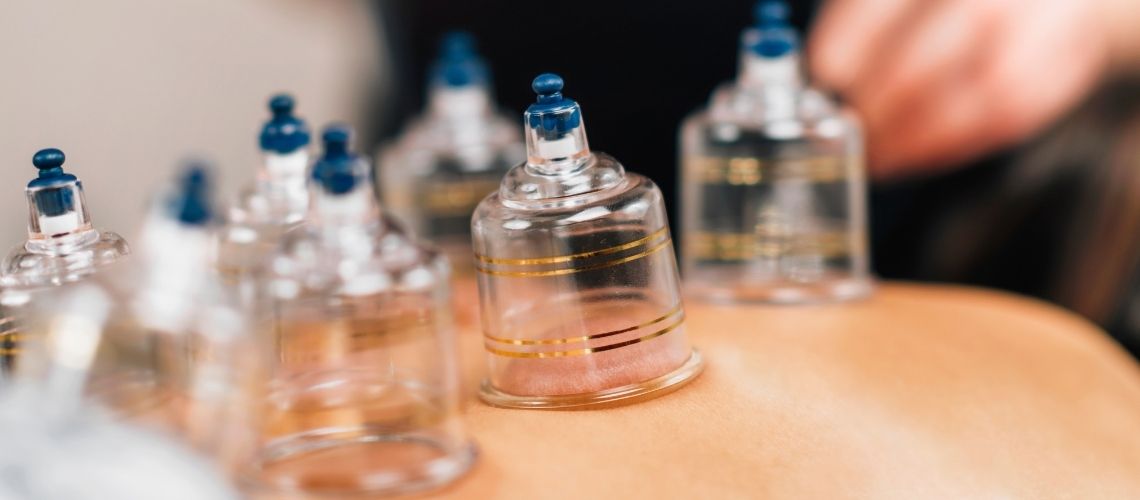
Are Acupuncture and Other Traditional Chinese Medicine Practices Effective in Vertigo Treatment?
The effectiveness of Acupuncture and other Traditional Chinese Medicine (TCM) practices in vertigo treatment is questioned. Although these methods aim to relieve vertigo symptoms, their scientific validity remains controversial compared with treatments offered by modern medicine. The lack of strong scientific evidence raises doubts about their effectiveness. Various studies contain methodological flaws and involve small sample sizes, a lack of control groups, and a high risk of bias.
Frequently Asked Questions
Vertigo treatment is planned according to the cause of the dizziness. Different treatment approaches are used for conditions such as BPPV, Meniere’s disease, vestibular migraine, and vestibular neuritis. An accurate diagnosis is the foundation of successful treatment.
Medication is not necessary for every patient with vertigo. Short-term medications may be used in some cases, while repositioning maneuvers may be more effective than medication in conditions such as BPPV. Treatment must always be planned according to a specialist’s recommendation.
The Epley Maneuver or other appropriate repositioning maneuvers may be performed in patients diagnosed with BPPV. These maneuvers aim to return displaced ear crystals to the correct position and may help reduce symptoms rapidly.
Vestibular rehabilitation may be used in patients with prolonged imbalance, motion sensitivity, or an inner ear-related balance disorder. An exercise program prepared by an audiologist supports adaptation of the balance system.
Before treatment, audiological evaluation, audiometry, an audiogram, and vestibular tests such as v-HIT, VEMP, and VNG may be performed. Imaging methods may also be used when necessary to investigate the cause of vertigo.
Regular sleep, adequate fluid intake, stress management, and following the dietary plan recommended by the physician may support treatment. Limiting salt intake may be particularly beneficial in Meniere’s disease.
The vast majority of patients with vertigo do not require surgery. However, surgical options may be considered in selected patients with Meniere’s disease or certain inner ear disorders when other treatments do not provide a response.
The duration of treatment varies according to the cause of vertigo. BPPV may improve in a single session in some patients, while follow-up and rehabilitation for vestibular neuritis or Meniere’s disease may continue for weeks or months.
If dizziness is accompanied by sudden hearing loss, speech impairment, double vision, altered consciousness, severe headache, or weakness in the arms or legs, emergency medical evaluation should be performed without delay.
An audiologist should be consulted if dizziness recurs, imbalance affects daily life, or hearing loss and tinnitus accompany the symptoms. Audiological evaluation and hearing tests help create a treatment plan tailored to the individual.

Dr. Audiologist Emel Uğur was born in 1982 in Çanakkale. She specialized in Pediatric Audiology, Otologic Disorders, and Vestibular System Disorders, and served for 15 years at the Istanbul Training and Research Hospital. In 2015, she joined the Acıbadem Healthcare Group. She currently works as an Audiologist at the Acıbadem Altunizade Hospital and also serves as a faculty member and program director in the Acıbadem University Vocational School of Health Services Audiometry Program.










Location of our clinic in Istanbul, Turkey