

 Türkçe
Vertigo does not directly cause hearing loss, but some ear diseases may involve both dizziness and hearing loss. In particular, Meniere’s disease, inner ear tumors, or infections may cause these two symptoms to occur simultaneously.
Hearing loss usually results from fluid imbalance in the inner ear or nerve damage. Tinnitus, a feeling of fullness, or pressure in the ear may also occur together with vertigo. These symptoms may indicate that the hearing loss is progressive.
Hearing loss occurring together with vertigo must be evaluated by a specialist. Audiometric and vestibular tests are absolutely necessary. Treatment is planned according to the underlying cause.
Untreated hearing loss may become permanent. Therefore, people experiencing hearing loss together with vertigo achieve better outcomes with early diagnosis and regular follow-up. Appropriate treatment helps protect both hearing functions and balance.
How Does Vertigo Affect the Balance System in the Ear?
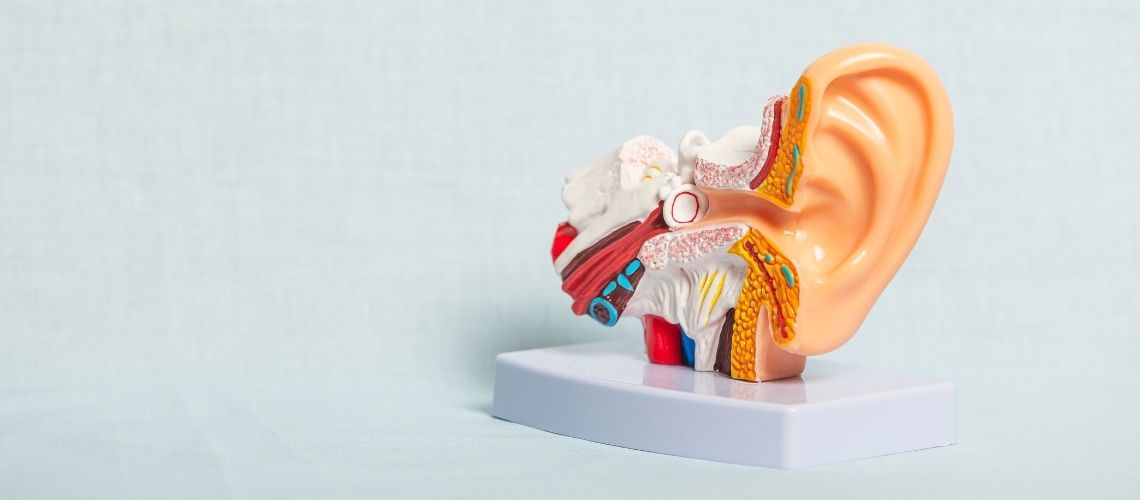
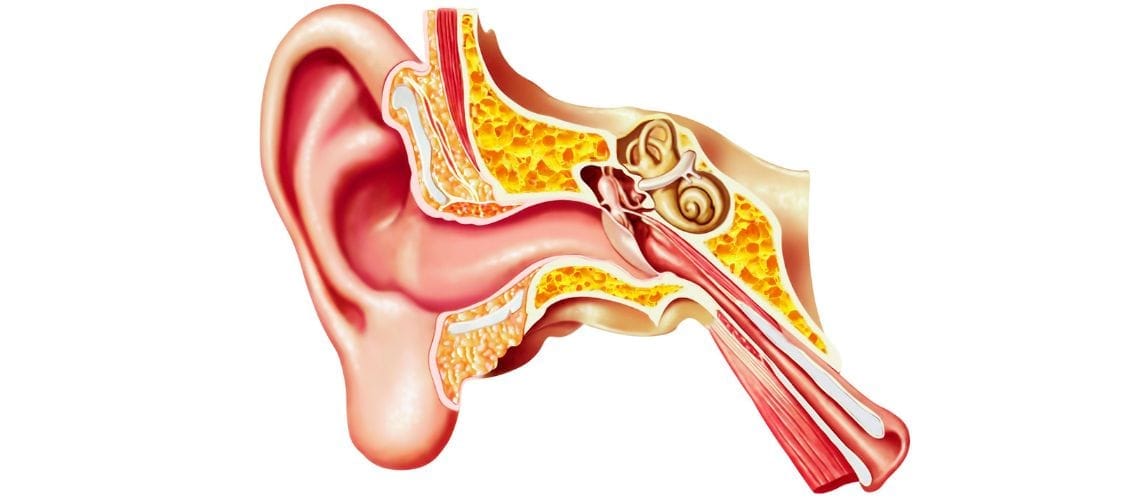
Vertigo is a symptom. Therefore, any condition that negatively affects the vestibular system in the inner ear may cause dizziness, namely vertigo. The vestibular system consists of the semicircular canals and otolith organs that detect movement. These structures detect the position and movement of the head and transmit information to the brain. However, when a disorder occurs in this system, vertigo develops. In the presence of dizziness, the individual’s balance and spatial orientation become impaired.
There are several conditions that may cause dysfunction of the vestibular system:
- Vestibular neuritis: Dizziness may occur as a result of inflammation of the vestibular nerve located in the inner ear.
- Labyrinthitis: It is an inner ear infection that affects both the vestibular and auditory components and may cause vertigo and hearing loss.
- BPPV (Benign Paroxysmal Positional Vertigo): It is a condition caused by the displacement of small crystals in the inner ear and leads to brief vertigo attacks triggered by head movements.
- Meniere’s disease: It is a chronic disorder involving fluid accumulation in the inner ear that impairs both balance and hearing functions and may result in fluctuating hearing loss and vertigo.
Disorders of the vestibular system may cause not only dizziness but also impaired balance. In this situation, vision becomes involved, and corrective, compensatory eye movements known as nystagmus occur to cope with the problem in the system. Nystagmus is a type of compensatory mechanism characterized by rhythmic, jerking eye movements. Special imaging and analysis systems such as VNG are used in diagnostic testing. Depending on the severity of the symptoms, nystagmus may even be visible to the naked eye. These findings are among the most objective and valuable signs of dizziness. Whether it occurs in a particular situation or position, in the presence of a trigger or spontaneously, as well as its direction, intensity, and pattern, provides diagnostically significant information. Not every nystagmus is pathological. However, these are conditions that must be evaluated and interpreted by experienced clinicians.
Can Ménière’s Disease Cause Both Vertigo and Hearing Loss?
Menière’s disease is an inner ear disorder that may cause both dizziness and hearing loss. An abnormal increase in the fluid called endolymph within the inner ear is one of the primary causes of the disease. This condition may affect the balance organs and the cochlea in the inner ear. It disrupts the balance and hearing signals sent to the brain, causing various symptoms. In Menière’s disease, hearing loss may initially fluctuate, worsening during attacks and improving afterward, but it may become permanent in later stages. The disease may also cause frequent attacks in some patients and occur only rarely in others.
What Role Does Labyrinthitis Play in Vertigo and Hearing Loss?
Labyrinthitis is an infection occurring in the inner ear and may seriously affect both balance and hearing functions. The inflammation caused by this infection particularly affects the vestibular system, which controls balance, and the cochlear section associated with hearing. Therefore, labyrinthitis is notable as a condition that may cause both dizziness and hearing loss.
The reason labyrinthitis causes dizziness is inflammation of the vestibular system. This inflammation prevents the brain from processing balance signals correctly. Dizziness may become more severe with sudden head movements and may occur together with symptoms such as nausea or vomiting. During the acute phase, dizziness may be continuous, while in chronic cases it may be triggered by certain head positions.
Hearing loss occurs in cases where labyrinthitis also affects the auditory system. Viral labyrinthitis generally causes temporary hearing loss, whereas untreated bacterial labyrinthitis may produce more permanent and severe damage. In these cases, the infection may permanently damage the cochlea, leading to irreversible hearing loss.
Does Benign Paroxysmal Positional Vertigo (BPPV) Cause Hearing Loss?
Although Benign Paroxysmal Positional Vertigo (BPPV) affects the balance system in the inner ear, it generally does not cause hearing loss. BPPV occurs when small crystals within the semicircular canals become displaced, and this condition has no direct effect on the structures associated with hearing. The cochlea, which is responsible for hearing, is not affected by this process. As a result, BPPV does not cause hearing loss. However, in some rare cases, other inner ear diseases may occur together with BPPV, and these conditions may cause hearing loss.
Is Hearing Loss Associated with Vertigo Temporary or Permanent?
Hearing loss associated with vertigo may be temporary or permanent depending on the underlying cause. Temporary hearing loss usually occurs as a result of an infection in the inner ear. Viral infections such as labyrinthitis may cause both vertigo and hearing loss. In these cases, hearing loss can generally be reversed with appropriate and timely treatment. However, if left untreated, the damage may become permanent. On the other hand, some progressive conditions may cause permanent hearing loss.
Frequently Asked Questions
Vertigo does not always cause hearing loss. Hearing may remain normal in some types of vertigo, such as BPPV, while hearing loss may accompany vertigo in inner ear diseases such as Meniere’s disease or labyrinthitis.
The risk of developing hearing loss is higher in Meniere’s disease, labyrinthitis, and certain other inner ear disorders. The degree of hearing loss may vary depending on the type and duration of the disease and when treatment is started.
If sudden hearing loss accompanies vertigo, this requires urgent evaluation. Early diagnosis and treatment may be important for preserving hearing. Therefore, an ear, nose, and throat specialist should be consulted without delay.
Whether hearing loss becomes permanent depends on the underlying disease. Hearing may recover completely in some cases, while permanent loss may develop in certain inner ear disorders. Early treatment may help reduce this risk.
Audiological evaluation, audiometry, an audiogram, tympanometry, and when necessary, vestibular tests such as v-HIT, VEMP, and VNG may be used for diagnosis. These examinations help assess the cause of vertigo and hearing status in detail.
Yes. Particularly in Meniere’s disease, vertigo, hearing loss, tinnitus, and a feeling of fullness in the ear may occur together. The presence of these symptoms together requires a detailed evaluation.
Vestibular rehabilitation aims to improve balance functions and does not directly treat hearing loss. However, rehabilitation planned by an audiologist may help reduce dizziness and imbalance symptoms.
In people with hearing loss or progressive disorders such as Meniere’s disease, hearing tests may be repeated at regular intervals according to specialist recommendations. Follow-up is important for evaluating the course of the disease.
If dizziness is accompanied by sudden hearing loss, speech difficulties, double vision, altered consciousness, severe headache, or weakness in the arms or legs, emergency medical evaluation should be performed without delay.
People who experience reduced hearing, tinnitus, a feeling of fullness in the ear, or imbalance together with dizziness should consult an audiologist and an ear, nose, and throat specialist. Early evaluation supports accurate diagnosis and treatment planning.

Dr. Audiologist Emel Uğur was born in 1982 in Çanakkale. She specialized in Pediatric Audiology, Otologic Disorders, and Vestibular System Disorders, and served for 15 years at the Istanbul Training and Research Hospital. In 2015, she joined the Acıbadem Healthcare Group. She currently works as an Audiologist at the Acıbadem Altunizade Hospital and also serves as a faculty member and program director in the Acıbadem University Vocational School of Health Services Audiometry Program.









Location of our clinic in Istanbul, Turkey