

 Türkçe
Frequency response is a measure that describes how a system responds to signals at different frequencies. It is frequently used in ear health and hearing tests. This parameter provides important information, particularly in the assessment of hearing loss.
The question of how frequency response is measured is important for clinical applications. Responses to different frequencies are recorded using audiometry tests and specialized devices. In this way, detailed data about an individual’s hearing capacity are obtained.
The question of why frequency response is important should be evaluated in terms of hearing health. A reduced response at different frequencies may indicate disorders in the inner ear or neural transmission. This condition is a critical indicator for early diagnosis.
The question of how frequency response results are interpreted requires expertise. Values outside the normal range provide information about the type and degree of hearing loss. In this way, appropriate treatment methods can be planned.
Why Is Frequency Response Important?
Frequency response is important because it shows which sound frequencies a sound system or hearing aid emphasizes and to what extent. Every person’s hearing sensitivity and needs may differ, and hearing sounds correctly has a positive effect on quality of life.
Imagine that you are listening to an orchestra. If some instruments sound very dominant while others seem to disappear, the equipment you are using is probably emphasizing certain frequencies too much or reducing others more than necessary. Similarly, an individual with hearing loss may hear certain frequencies less effectively. If the frequencies that the person has difficulty hearing are not supported, speech intelligibility and discrimination may decrease. A properly adjusted hearing aid, however, can provide a clear hearing experience by increasing the levels of the poorly heard frequencies to an appropriate degree.
If the low-frequency parts of sound (bass tones) are emphasized more than necessary, you may hear a heavy rumbling sound as though thunder were echoing at the foot of a mountain. On the other hand, high frequencies that sound excessively bright or sharp may tire the ear. Therefore, a balanced frequency response directly affects sound quality and comfort. Everyone who listens to music, speaks on the phone, or watches television wants sound that is pleasant and clear. For this reason, frequency response settings are a subject of great interest to both professional sound engineers and hearing specialists in the healthcare field.
How Is Frequency Response Defined and Measured?
Frequency response is generally defined by expressing the output obtained in response to a specific input signal as a graph. In other words, certain sound frequencies are presented at a fixed sound level, and the amount of sound output obtained at each frequency is examined. Simply put, it answers the question, “How many decibels (dB) of sound do I receive at frequency x?”
Specially calibrated microphones and standard ear simulators (or 2cc couplers) are generally used for the measurement process. In hearing aid test boxes, sounds of specific intensities and frequencies are sent to the device’s microphone. The strength of the output produced by the device is then recorded. In this way, a frequency response curve is obtained. The aim is to clearly observe how much gain (amplification) the device provides at each frequency.
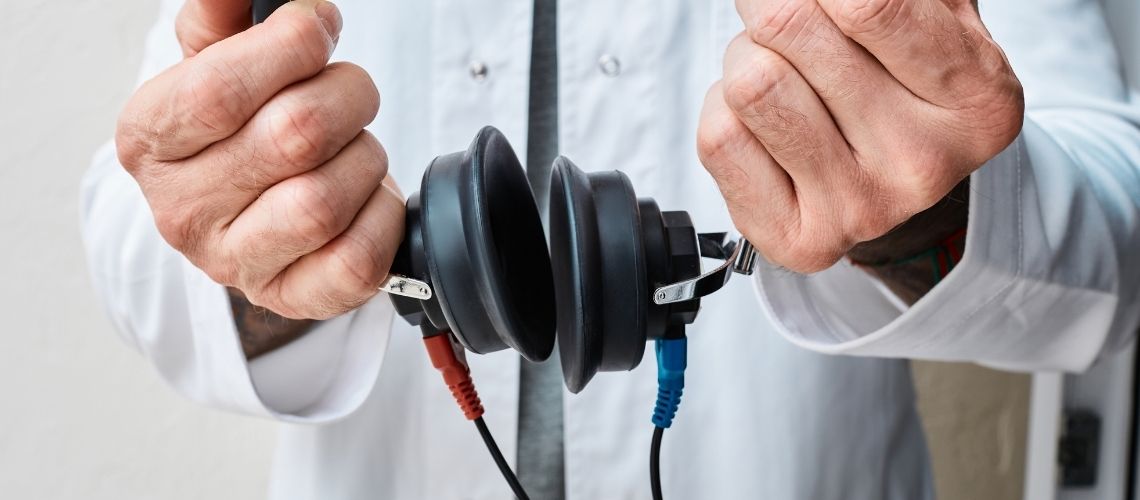
Headphones and speakers used in daily life are also checked in a similar way. Imagine a pair of headphones covering your ears. If those headphones have an unbalanced frequency response, some notes may become uncomfortably loud while others become almost inaudible when listening to music. For this reason, professional sound systems aim to provide as “flat” a frequency response as possible. Of course, some systems may intentionally emphasize bass frequencies depending on the type of music, but this is still determined through measurement and can be adjusted according to personal preference. Ultimately, measurement provides us with a roadmap for shaping sound as desired.
How Is the Relationship Between Frequency Response and Hearing Aids Established?
Frequency response is vital for hearing aids because it can be shaped according to the needs of individuals in different age groups or with different degrees of hearing loss. In hearing loss, not every frequency is affected equally. For example, age-related hearing loss generally begins at high frequencies. In this case, understanding words containing hissing or high-pitched sounds becomes difficult. A hearing aid can improve speech clarity by emphasizing certain high frequencies to compensate for this deficiency.
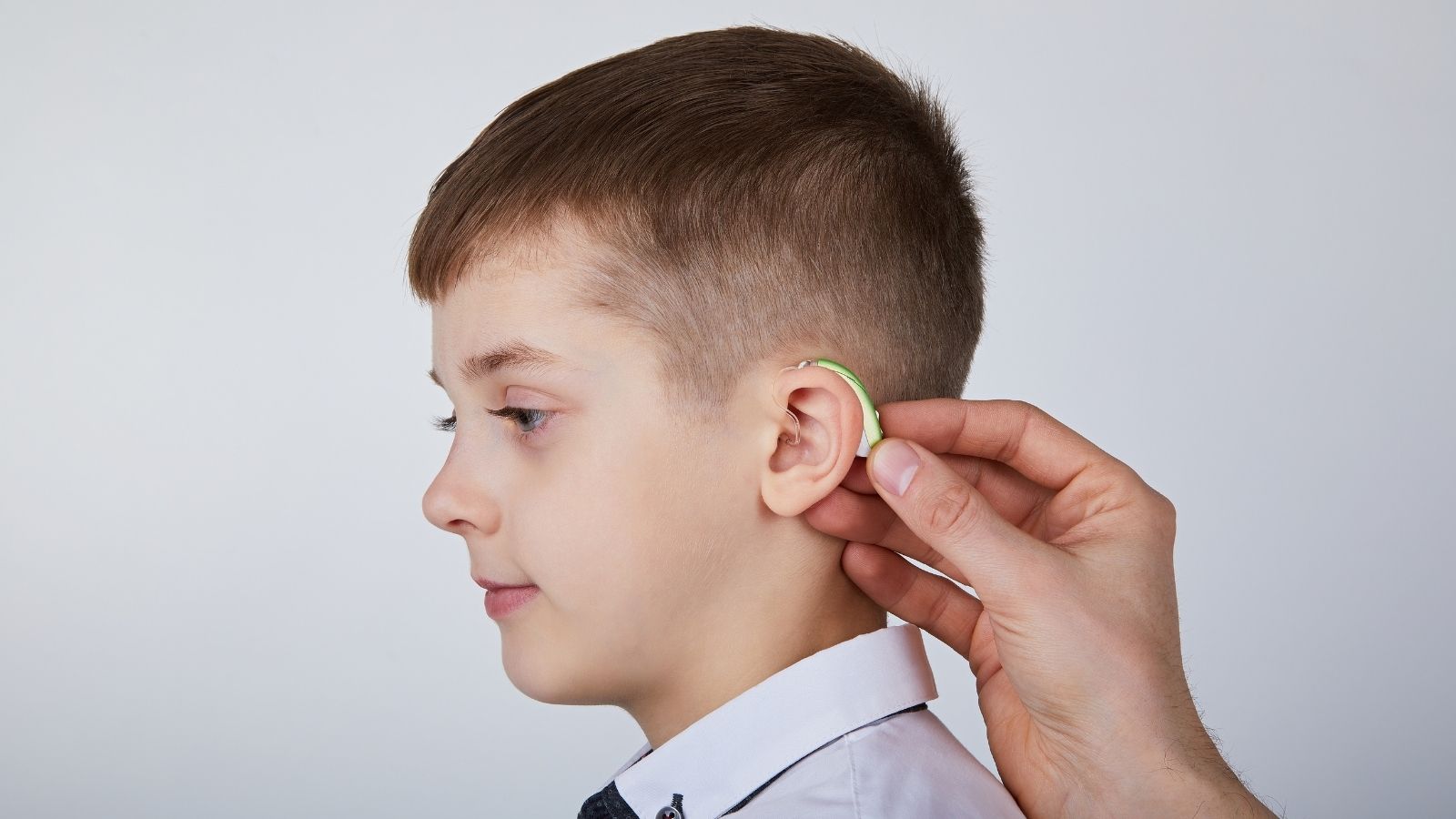
Modern hearing aids operate with digital signal processing technologies and have flexible equalizer settings. This allows us to provide the desired amount of gain at each frequency. To achieve a frequency response suitable for the hearing loss in the ear, we first determine the patient’s hearing threshold in well-insulated sound booths. The device is then adjusted according to predetermined targets to create the ideal frequency response. These settings can be verified through real-ear measurements. In other words, the data obtained both in the ear canal and through audiometry are examined, and the frequency response is fine-tuned when necessary.
Ultimately, the correct frequency response provides comfort as well as clear hearing. Some people may be disturbed by environmental noise if low-pitched sounds are emphasized too strongly. On the other hand, excessive amplification of high-pitched sounds may cause discomfort such as ringing in the ears. Therefore, the frequency response of the hearing aid is adjusted by considering each user’s hearing profile and perception of comfort. In this way, the person’s quality of life is improved and daily communication becomes more enjoyable.
What Is the Structure of the Human Ear’s Frequency Response?
The human ear does not hear all frequencies with the same sensitivity. Although the human cochlea is capable of receiving all sounds within the frequency range of 16 to 20,000 Hz, the ear is much more sensitive to the range of approximately 500–40,000 Hz. This frequency region contains a large proportion of speech sounds. Therefore, to hear speech clearly, this middle-frequency region must primarily be protected or supported if hearing loss is present.
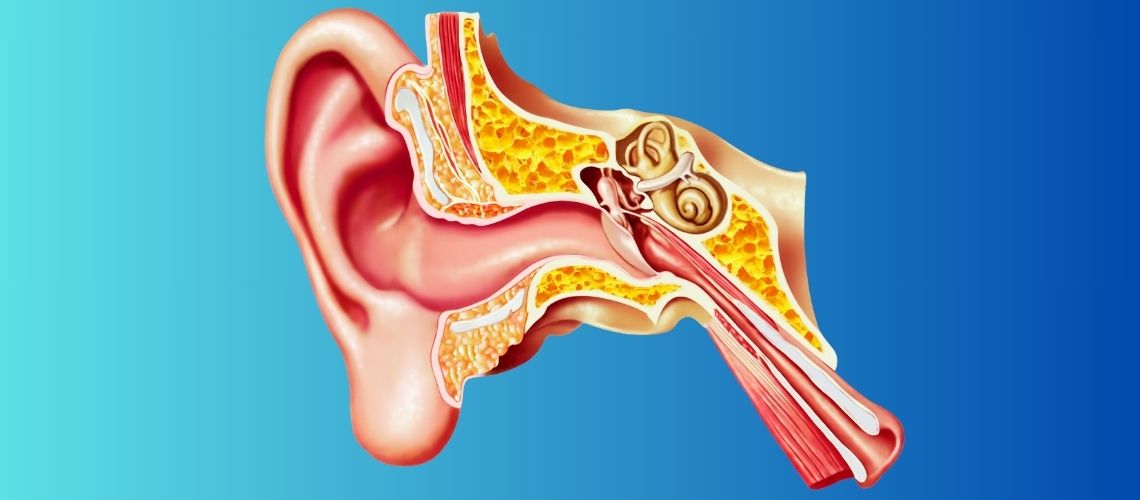
The outer part of the ear collects sound waves and creates resonance in the ear canal, naturally amplifying frequencies around 2–3 kHz in particular. The ossicles in the middle ear also provide mechanical transmission from the eardrum to the inner ear. This unique design increases the efficiency of the ear at middle frequencies. However, very low frequencies, meaning the low-frequency region such as 50–100 Hz, reach the ear less efficiently. High frequencies of 8 kHz and above are more difficult to perceive due to both the structure of the ear and age-related factors.
Most speech sounds used in social interaction are concentrated between 250 and 8,000 Hz. Individuals with hearing loss in this frequency range may have difficulty understanding certain words in daily communication. For example, consonant sounds such as “f, s, t, sh” are located at high frequencies, so if these letters are not heard clearly, distinguishing words becomes difficult. For this reason, hearing tests primarily measure the range of 125–8,000 Hz. Tests above 8,000 Hz may also be performed when necessary, but critical speech frequencies are prioritized in clinical practice.
Looking at the ear’s natural frequency response, it is possible to say that each individual’s ear behaves like an instrument and may color sounds differently according to its structural characteristics. Both congenital characteristics and changes that develop over time determine how a person perceives sounds. Understanding frequency response helps us determine which sound frequencies need greater support or protection for that individual.
In Which Areas Is Frequency Response Encountered?
Even if we do not notice it, the term frequency response appears in many areas of daily life.
- When choosing speakers and headphones, the terms “frequency range” or “frequency response curve” appear in the technical specifications. This shows the frequencies at which the device performs strongly or weakly.
- During music recording and mixing, sound engineers make adjustments to the frequency response to ensure that different instruments are heard in a balanced way.
- In television broadcasting or radio studios, microphones and headphones are calibrated according to frequency response measurements. This ensures clear, interference-free sound during broadcasting.
- Frequency response is also important in hearing rehabilitation. Because hearing aids or cochlear implants provide individualized frequency shaping, speech intelligibility and the natural perception of sound are improved.
- The acoustics of concert halls and movie theaters are also closely related to frequency response. Wall coverings, the structure of the seats, and even the number of people in the audience affect how sound at certain frequencies echoes or is absorbed within the space.
Essentially, frequency response must be considered in every field concerned with sound quality and intelligibility. In some of these areas, the goal is to achieve a “neutral” sound, while in others, such as certain types of music, specific frequencies may intentionally be emphasized.
How Is Frequency Response Improved or Adjusted?
Equalizer (EQ) settings, filters, and necessary hardware modifications are generally used to improve frequency response or adjust it to the desired form. Consider a hearing aid, for example. The user may have difficulty distinguishing speech in crowded environments. In this case, certain frequency bands can be slightly increased in the device’s software to emphasize speech sounds. This adjustment is optimized according to the hearing test results and personalized for the individual.
When considering a set of headphones, the manufacturer designs the speaker structure and acoustic properties of the product to achieve a specific target frequency response. Ear pads, the materials used, and even how the headphones fit on the head can affect this response. Different models are produced for music enthusiasts who prefer a bass-heavy character and for professional mixing engineers who want a balanced response.
In venues where sound systems are installed, such as theater stages or conference halls, speakers are positioned and the room’s acoustic frequency response is measured using test signals. If certain frequencies echo or are absorbed more than necessary, those frequencies are reduced or reinforced using equalizer settings in the sound system. The aim is to ensure that speech or music performances are heard in a similar way throughout every part of the venue.
How Does Frequency Response Affect Our Daily Lives?
Today, most people use headphones or speakers to listen to music, watch films, or participate in online meetings. All these experiences are directly affected by whether the frequency response is adjusted well enough.
If you are listening to music at home and the bass in some songs sounds excessively “boomy,” causing the other details of the song to disappear, this indicates that your system has an unbalanced frequency response. Similarly, if speech sounds harsh and sharp during online meetings, this may mean that high frequencies are being emphasized too much or that middle frequencies are not strong enough.
From a hearing health perspective, it is important to know that as we age, the ears have greater difficulty hearing certain frequencies, particularly high-pitched sounds. Fortunately, modern hearing aids and assistive listening technologies can adjust frequency response almost entirely according to the individual. This allows you to hear speech more clearly while also enjoying surrounding nature sounds or music.
Another factor in daily life is noisy environments. For example, when you want to have a conversation in a crowded restaurant, the background hum, which mainly consists of low and middle frequencies, may mask speech. To compensate for this, some hearing aids contain noise reduction technologies. These automatically adjust the frequency response and emphasize important speech frequencies.
In conclusion, whether we describe a sound as “comfortable,” “muffled,” or “excessively bright” depends on whether its frequency response matches our auditory perception. Although most people regard this term as a technical subject, we actually experience the effects of frequency response every day.
What Should Be Considered Regarding Frequency Response?
The most important point to consider regarding frequency response is your intended purpose. Some music lovers prefer a bass-heavy listening experience. Others seek natural and clear sound. Hearing aid users focus on improving speech intelligibility.
A few basic recommendations include:
- Your own ear structure and hearing profile may cause you to evaluate a device differently from other people. In other words, headphones that sound “perfect” to a friend may sound “lacking in bass” or “uncomfortably sharp” to you. All these conditions can be adjusted. Please contact the audiologist at the center where you obtained your hearing aid.
- If hearing loss is present, it is important to have the device adjusted after consulting a specialist. It is difficult to achieve good results with random settings.
- Inexpensive or poor-quality equipment often has an unbalanced frequency response, which may reduce the enjoyment of music or the clarity of speech.
- Room acoustics affect frequency response independently of speaker quality. High-pitched sounds may be heard more sharply in an empty room with hard floors and strong echoes, while sound may appear more balanced in a space furnished with soft materials.
- New-generation smartphones and music players have equalizer settings. When trying these settings, it is important to prioritize ear health. Raising certain frequencies excessively, especially while listening at high volume levels, may tire the ear. If your ears begin ringing after spending time in such an environment, please leave the area. This sound level may cause permanent hearing loss.
Frequently Asked Questions

Dr. Audiologist Emel Uğur was born in 1982 in Çanakkale. She specialized in Pediatric Audiology, Otologic Disorders, and Vestibular System Disorders, and served for 15 years at the Istanbul Training and Research Hospital. In 2015, she joined the Acıbadem Healthcare Group. She currently works as an Audiologist at the Acıbadem Altunizade Hospital and also serves as a faculty member and program director in the Acıbadem University Vocational School of Health Services Audiometry Program.









Location of our clinic in Istanbul, Turkey