

 Türkçe
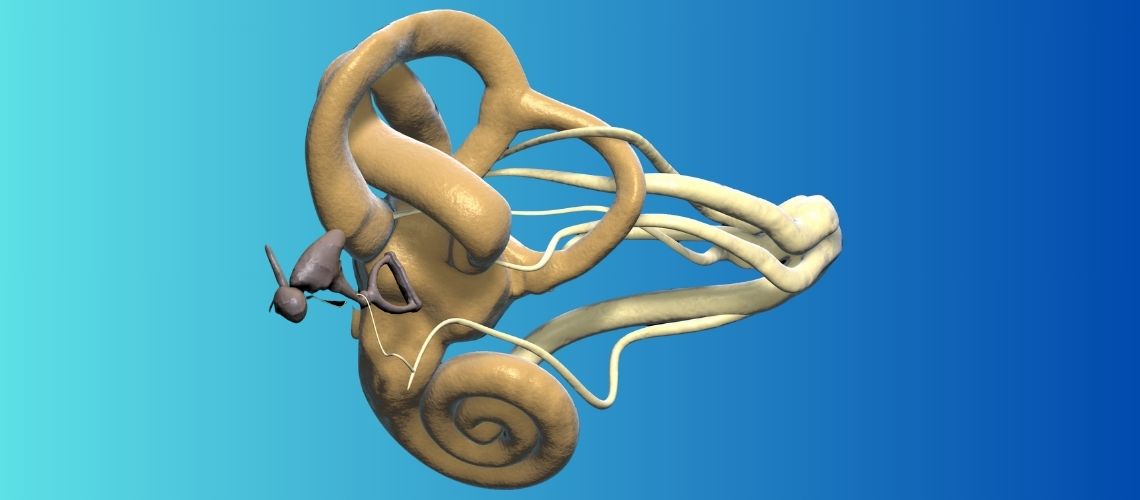
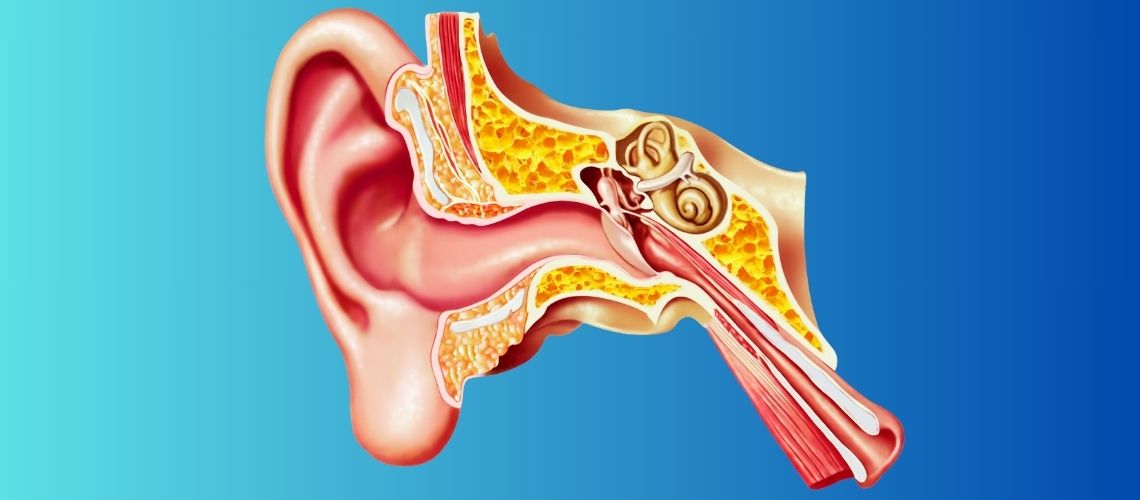
Headphone use may cause hearing loss, particularly when continued at high volume levels for long periods. Permanent damage may occur when the hair cells in the inner ear are harmed. This condition is an increasingly common health problem among young people.
Prolonged exposure to loud sounds increases the risk of noise-induced hearing loss. Listening to music through headphones in noisy environments such as concerts, the subway, or heavy traffic further increases the danger.
The type of headphones also affects hearing health. In-ear headphones carry a higher risk because they deliver sound directly into the ear canal. Over-ear headphones distribute sound more evenly and are relatively safer.
To prevent hearing loss, it is recommended that the volume should not exceed 60% and the usage time should not exceed 60 minutes. In noisy environments, noise-canceling devices that suppress external sounds should be preferred instead of increasing headphone volume.
What Is the Effect of Headphones on Hearing Loss?
Headphone use is very common today. The habit of listening to loud music for long hours, particularly among young people, threatens hearing health. Exposure to loud sounds through headphones may damage the sensitive hair cells in the inner ear. This damage is generally permanent and causes hearing loss.
Research shows that headphone use increases the risk of hearing loss:
- Damage to the hair cells in the inner ear gradually causes hearing loss.
- Loud sounds damage the structure of these cells, and repair is not possible.
- Continuous exposure to loud sounds also damages the auditory nerves.
To protect hearing health:
- The 60/60 Rule: The sound level should be kept below 60 dB (decibel: the unit of sound intensity). Listening to sounds at an intensity of 60 dB should be limited to 60 minutes.
- The volume level should be checked and reduced at regular intervals.
Additional measures that may be taken to prevent hearing loss include:
- Listening to music at low or moderate volume levels.
- Using sound systems in open environments instead of headphones.
- Staying in areas away from speakers in places where outdoor sound systems are used.
What Are the Clear Warning Signs of Hearing Loss?
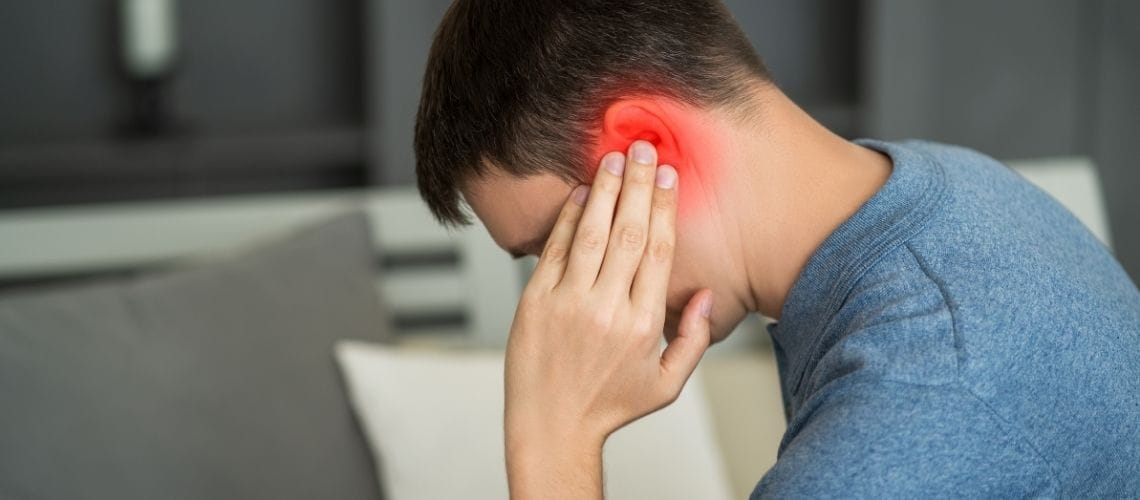
Noise-induced hearing loss occurs in two forms: temporary threshold shift and permanent threshold shift. It may result from listening at high volume through headphones, being in places with high sound levels, exposure to sudden explosive noises, or regular exposure to noise. The most noticeable sign is tinnitus, or ringing in the ears. This type of tinnitus has a significant effect on quality of life. Care must be taken.
Particularly in cases of temporary threshold shift, the person hears noticeable ringing in the ear. It resolves with rest. However, if this exposure continues, the temporary condition may become permanent. Hearing loss becomes more noticeable. These symptoms generally cause noticeable changes in the person’s daily life. Impairments in sound localization and lateralization and difficulty distinguishing speech may occur. Understanding conversations, particularly in noisy environments, may become increasingly difficult. High-pitched sounds may no longer be heard, resulting in high-frequency hearing loss.
How Is Hearing Loss Detected and Evaluated?
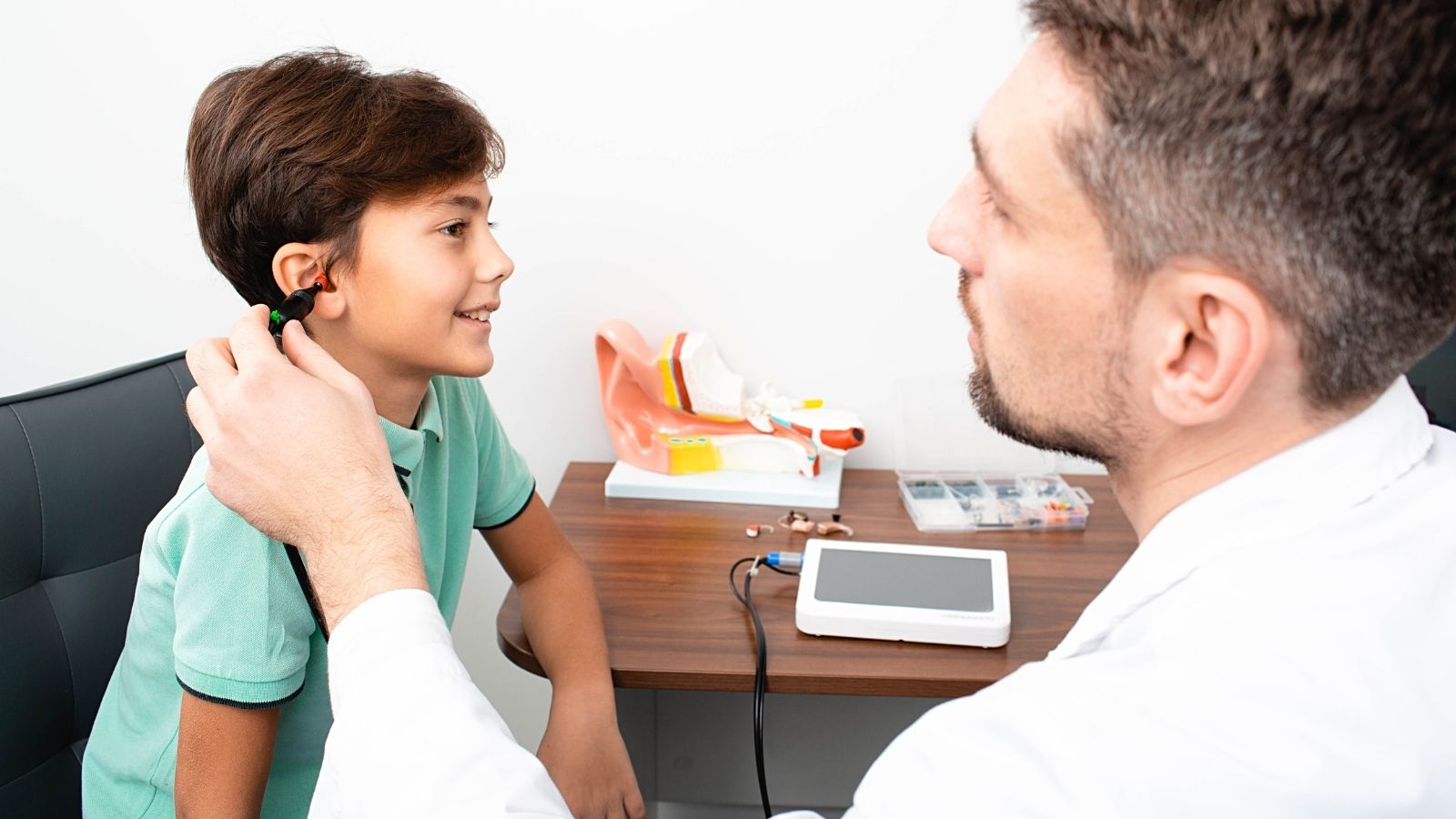
Diagnosing hearing problems is important for identifying hearing loss at an early stage. An ear examination is essential before hearing evaluation. Audiological tests are performed after an otoscopic examination by an ENT specialist. An ear examination is a physical examination method and does not provide information about hearing loss. Hearing can only be evaluated through hearing measurements.
Patients suspected of acoustic trauma should be evaluated with high-frequency audiometry.
How Can Acoustic Trauma Be Prevented?
Avoiding exposure to loud noise is the most fundamental principle of protection. Various practices are available for this purpose.
Preventing noise at its source: Adjusting headphone and speaker outputs can prevent sounds of excessive intensity from reaching the ear.
Preventing noise at the individual level: Using personal hearing protectors significantly reduces sound intensity. However, because the sound intensity and frequency parameters of each environment differ, specialized earplugs that meet these needs should be used.
What Are the Treatment Methods for Hearing Loss?
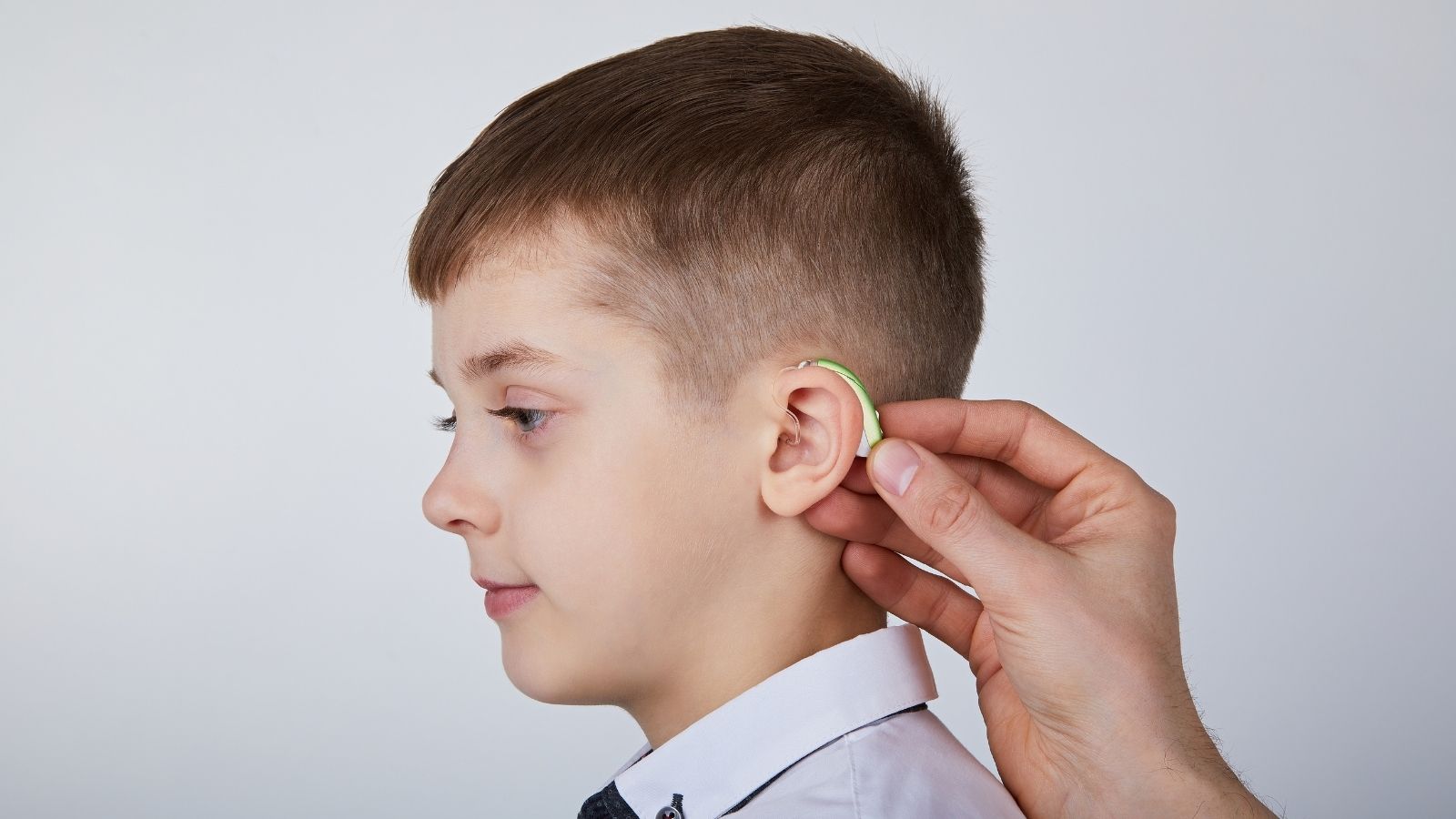
Noise-induced hearing loss is permanent, meaning it is a type of sensorineural hearing loss. The solution for this type of hearing loss is the use of hearing aids. Hearing aids are excellent solutions for compensating for hearing loss. However, protecting healthy hearing is the best solution.
Frequently Asked Questions
Headphones may damage the hearing cells in the inner ear when used at high volume levels for long periods. Prolonged exposure to loud sounds may particularly increase the risk of noise-induced hearing loss.
Experts recommend that headphone volume should not exceed approximately 60% of the device’s maximum volume and that continuous use should not exceed 60 minutes. Taking regular breaks may help protect hearing health.
Noise-canceling headphones may allow listening at lower volume levels because they reduce external environmental noise. Rather than the type of headphones, sound intensity and duration of use are the determining factors for hearing health.
Difficulty understanding speech, tinnitus, a feeling of fullness in the ear after loud sounds, or a temporary reduction in hearing may be among the early signs of noise-induced hearing damage.
The risk of hearing loss may increase in children and young people who listen to loud music for long periods. Developing healthy listening habits at an early age may help prevent future hearing problems.
Using headphones at high volume may cause temporary or permanent tinnitus in some people. If the ringing recurs frequently or continues for a long time, an audiological evaluation is recommended.
A temporary reduction in hearing caused by loud noise may improve, but hearing loss may be irreversible when the sensory cells in the inner ear are permanently damaged. Therefore, protective measures are extremely important.
Keeping the volume low, taking regular listening breaks, choosing noise-canceling headphones instead of increasing the volume in noisy environments, and avoiding prolonged use may support hearing health.
An audiologist should be consulted when tinnitus, reduced hearing, difficulty understanding speech, or a prolonged change in hearing after exposure to loud sounds is noticed. Early evaluation helps identify possible damage.
For people who frequently use headphones, regular hearing tests may help detect possible hearing loss at an early stage. Early diagnosis enables protective measures to be taken and hearing health to be preserved more effectively.

Dr. Audiologist Emel Uğur was born in 1982 in Çanakkale. She specialized in Pediatric Audiology, Otologic Disorders, and Vestibular System Disorders, and served for 15 years at the Istanbul Training and Research Hospital. In 2015, she joined the Acıbadem Healthcare Group. She currently works as an Audiologist at the Acıbadem Altunizade Hospital and also serves as a faculty member and program director in the Acıbadem University Vocational School of Health Services Audiometry Program.




Location of our clinic in Istanbul, Turkey