

 Türkçe
Hearing is one of our most important senses, allowing us to capture the melody of life. However, when it comes to hearing health, there is also a great deal of misinformation and many urban myths that spread by word of mouth. These myths may cause us to overlook the importance of hearing loss, delay treatment, and even make incorrect decisions.
Myth: I do not need a hearing aid; my hearing is perfectly fine!
FACT: Hearing loss is not simply something that either exists or does not exist. It has types, degrees, and characteristics. When the ear analyzes sound, it evaluates each frequency, each intensity level, and every feature of the sound individually. Your hearing may be good at some frequencies and poor at others. Unfortunately, this may delay your awareness of hearing loss. Nevertheless, even mild hearing loss can negatively affect your cognitive abilities, work, home life, and social life. Fortunately, when hearing loss is rehabilitated at the right time and in the appropriate way, the brain’s neuroplasticity, in other words its ability to learn, can relearn how sound should be heard and processed.
Myth: Hearing Loss Only Occurs in Older Adults
FACT: Hearing loss does not affect only older people. Research shows that hearing loss is common in every age group. A study conducted in the United States identified hearing problems in a significant proportion of younger individuals. In particular, signs of hearing loss were found in one out of every five young people between the ages of 12 and 19. This demonstrates that hearing loss is a serious health problem not only at advanced ages but also among young people. The following factors may lead to hearing loss in young individuals:
- Unsafe use of personal audio devices
- Prolonged exposure in noisy entertainment venues
According to warnings from the World Health Organization, 1.1 billion adolescents and young adults worldwide are at risk of hearing loss. These figures emphasize the need to increase awareness of hearing health and take protective measures. Preventive strategies should be developed for all individuals, without age restrictions, in the fight against hearing loss.
Myth: Hearing Loss Only Affects Our Ears,
FACT: Scientific studies now support that untreated hearing loss does not affect only the ears. Hearing loss may also have various negative effects on a person’s general health. Its impact on cognitive functions, in particular, cannot be ignored. The brain has to use additional resources to process auditory information. This may reduce the resources allocated to other mental functions. For this reason:
- The risk of cognitive decline increases.
- The likelihood of dementia and Alzheimer’s disease increases.
- Social isolation and depression become more common.
- The risk of falling may increase due to imbalance and coordination problems.
Research shows that interventions such as hearing aids may significantly reduce or even reverse these effects. Timely intervention in hearing health may prevent such health problems and significantly improve quality of life.
Myth: Hearing Aids Are Like Glasses
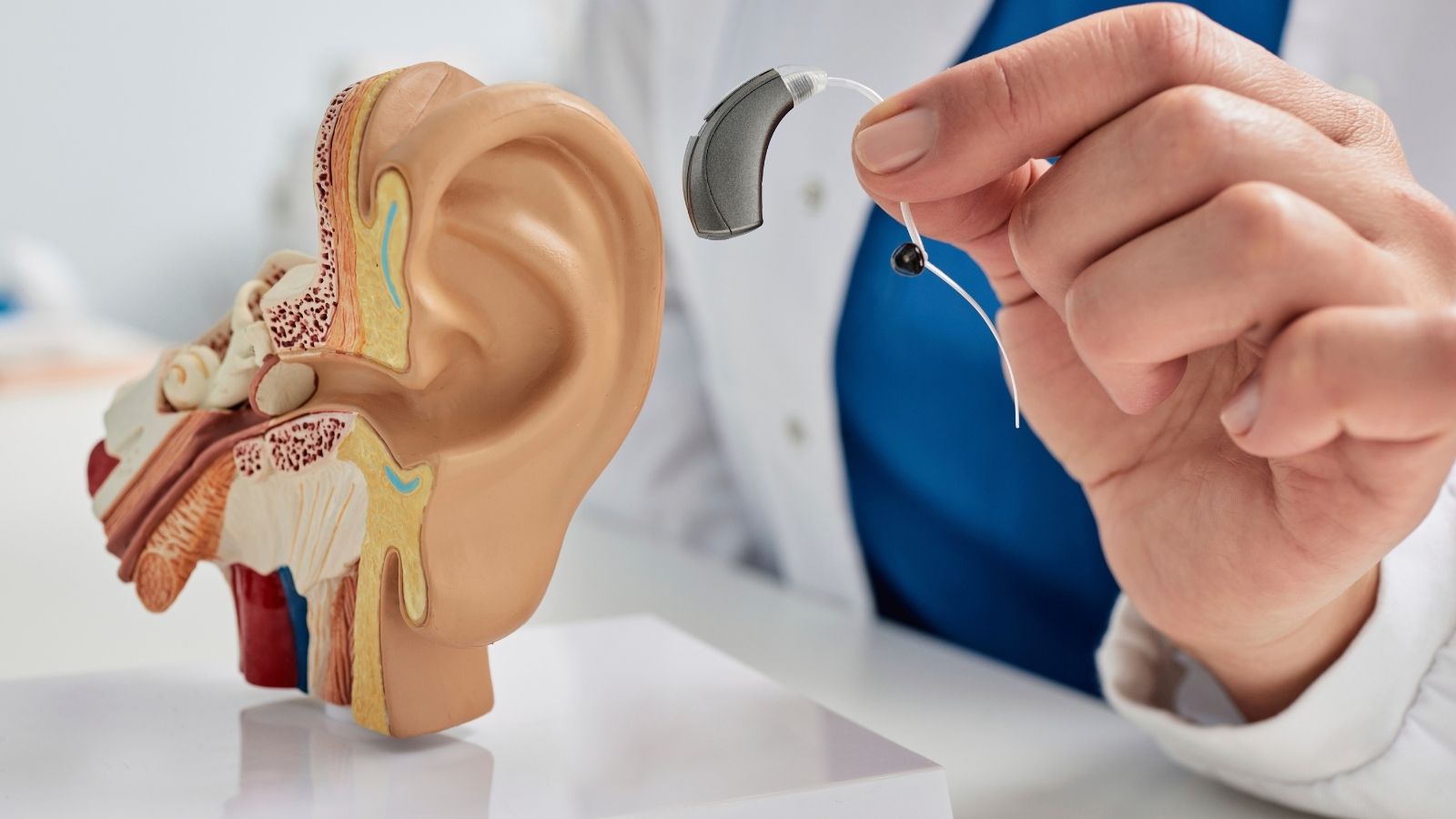
FACT: Hearing aids are often compared with glasses; however, there are important differences between these two assistive devices. Hearing aids do not merely amplify sounds; they are also adjusted according to the individual’s hearing profile. They vary according to the degree and type of hearing loss.
- This process is not as quick and simple as using glasses. While glasses do not require complex adjustments to correct visual impairment, hearing aids require a much more specific and personalized approach. In addition, auditory training/rehabilitation may be necessary depending on the situation. Therefore, directly comparing hearing aids with glasses is misleading.
- Hearing aids require time for the brain to become accustomed to processing new sounds.
- Because the frequencies heard by each individual differ, programming the device is personalized.
- Hearing aid users generally need several sessions to find the most suitable settings and adapt the hearing aid appropriately to their hearing loss.
Myth: Hearing Loss Is Inevitable, Especially with Age, but Does Not Occur at a Young Age
FACT: Hearing loss is a frequently misunderstood health problem. There is a widespread belief in society that this condition is associated only with aging and is inevitable. However, hearing loss may result from many different factors, and many of them are preventable. The main causes of hearing disorders include:
- Genetic factors
- Use of certain medications
- Prolonged exposure to high sound levels
Smoking and health problems such as diabetes may also lead to hearing loss. In modern societies, noisy environments have negative effects on hearing health. Noise exposure is one of the leading causes of preventable hearing loss. Measures that can be taken to protect hearing health include staying away from noisy environments and using hearing protection equipment.
Myth: Manage for as Long as You Can
FACT: Depending on the type, degree, and configuration of hearing loss, individuals with hearing loss may not notice their hearing impairment. They may genuinely believe that their overall hearing is good and avoid seeking help. However, even mild hearing loss may negatively affect many aspects of daily life. Difficulties may occur particularly in work and social interactions. Hearing loss may also affect cognitive functions and lead to a reduction in abilities such as attention and memory.
Hearing aids offer solutions to these problems:
- They improve communication ability,
- They improve social interaction,
- They positively affect mood,
- They support the ability to move independently.
Thanks to neuroplasticity, our brain may regain the ability to hear with hearing aids, and this adaptation process may improve functionality. The use of hearing aids may significantly improve personal independence and participation in society.
Myth: Hearing Loss Is an Insignificant Problem
FACT: The effects of hearing loss are often overlooked. This condition has a wide-ranging impact, from social life to professional life. Individuals who have difficulty hearing may struggle to express themselves in a group. This may cause them to become isolated from their social environment. These communication problems also create similar barriers in the workplace. Teamwork and interactions during daily tasks become more difficult because of hearing loss. In addition;
- Disagreements in personal relationships increase.
- Participation in social activities decreases.
- Self-confidence problems develop.
All these difficulties show that hearing loss is not merely a physical impairment. It also leads to emotional and psychological problems. When hearing loss is left untreated, individuals may experience feelings of frustration and loneliness. This may even lead to depression. Therefore, it is extremely important to take hearing loss seriously and carry out the necessary interventions in a timely manner.
Myth: Hearing Aids Are Noticeable and Lack Aesthetic Appeal
FACT: Innovations in hearing aid technology show that these devices are no longer as noticeable and bulky as they once were. Modern hearing aids now have designs that minimize visibility and maximize user comfort. Thanks to advanced technology, these devices have become extremely small and almost invisible. They have also become more functional for users due to improved sound quality and features that reduce background noise. Hearing aids now have the following features:
- Advanced digital processing technologies.
- Elegant and user-friendly designs.
- Suitability for personal preferences with various color and style options.
Myth: Hearing improves on its own.
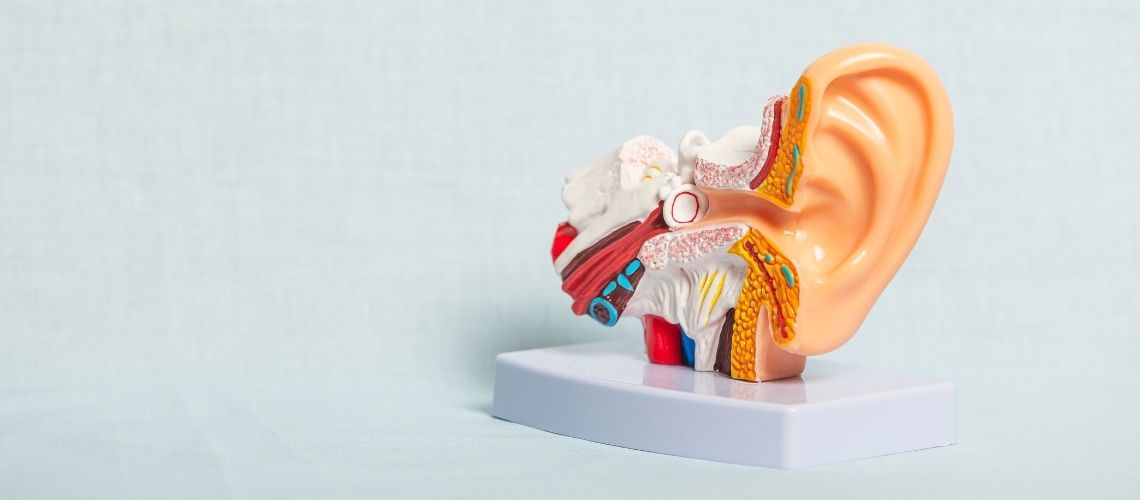
FACT: The inner ear is a delicate structure. The organ of Corti located in the inner ear is equipped with specialized sensory cells. The organ of Corti is referred to as the primary hearing organ because these hair cells convert incoming stimuli into action potentials and transmit them to the auditory nerve. Hair cells are highly sensitive cells that analyze sound intensity and frequency. If hair cells are damaged for various reasons, ranging from acoustic trauma to ototoxic agents, the damage is irreversible. Therefore, hearing losses originating from the inner ear are permanent.
Myth: A Single Hearing Aid Will Be Sufficient
FACT: Hearing health is a complex system. People perceive sounds with two ears and one brain; this process is known as binaural hearing. Our ears continuously cross auditory information while transmitting it to the brain. For this reason, auditory perception and processing develop and occur remarkably. Using a hearing aid on only one side is a solution that conflicts with the physiology of hearing. Thanks to this natural process, we can identify the source of sounds, filter sounds more effectively in noisy environments, and achieve more natural sound quality. During a hearing assessment, hearing healthcare professionals evaluate the following characteristics:
- How you perceive sounds,
- The environments in which you experience hearing difficulty,
- The degree of hearing loss.
As a result of this assessment, two hearing aids may be necessary for some individuals. Using two devices is important for processing sounds more accurately and providing a better hearing experience.
Myth: I developed hearing loss as a result of incorrect treatment!
FACT: There are more than 200 medications known to potentially cause hearing loss. Some of these medications affect hearing, while others affect balance. Your physician takes this situation into account when arranging your treatment. However, in the treatment of certain diseases, there are medications that must be used and have no alternatives. Therefore, when such medications need to be used, your physician will request regular hearing tests.
Myth: Music is not harmful.
FACT: The hearing health of musicians is very important. For this reason, there are many scientific studies on hearing health involving musicians. Their common conclusion is that tinnitus and hearing loss are more common among musicians. There are, of course, differences between different types of music. For example, a musician involved in rock music is at greater risk of tinnitus and hearing loss than a musician involved in classical music.
If you are a musician or attend live events, you should always protect your ears. Hearing losses caused by unsafe use of personal audio devices, including smartphones, and exposure to harmful sound levels in noisy entertainment venues such as nightclubs, bars, and sporting events have already reached a considerable level.
Musicians can benefit from professional earplugs that provide safe listening while preserving sound quality. In addition, professional hearing protection earplugs are available from various hearing companies.
Myth: I am not old enough to experience hearing loss.
FACT: Hearing loss does not develop only due to age. It is the most common congenital defect in infants, with an incidence of 1–3 per 1,000 live births. Approximately 20–40% of babies born with hearing impairment also have an additional disability. On the other hand, childhood infections, treatments received throughout life, working in noisy workplaces, and hobbies such as hunting and shooting are among the causes of hearing loss. There is no harm in including hearing assessments in your check-up packages. If everything is fine, you will at least learn that your hearing is normal.

Dr. Audiologist Emel Uğur was born in 1982 in Çanakkale. She specialized in Pediatric Audiology, Otologic Disorders, and Vestibular System Disorders, and served for 15 years at the Istanbul Training and Research Hospital. In 2015, she joined the Acıbadem Healthcare Group. She currently works as an Audiologist at the Acıbadem Altunizade Hospital and also serves as a faculty member and program director in the Acıbadem University Vocational School of Health Services Audiometry Program.








Location of our clinic in Istanbul, Turkey