

 Türkçe
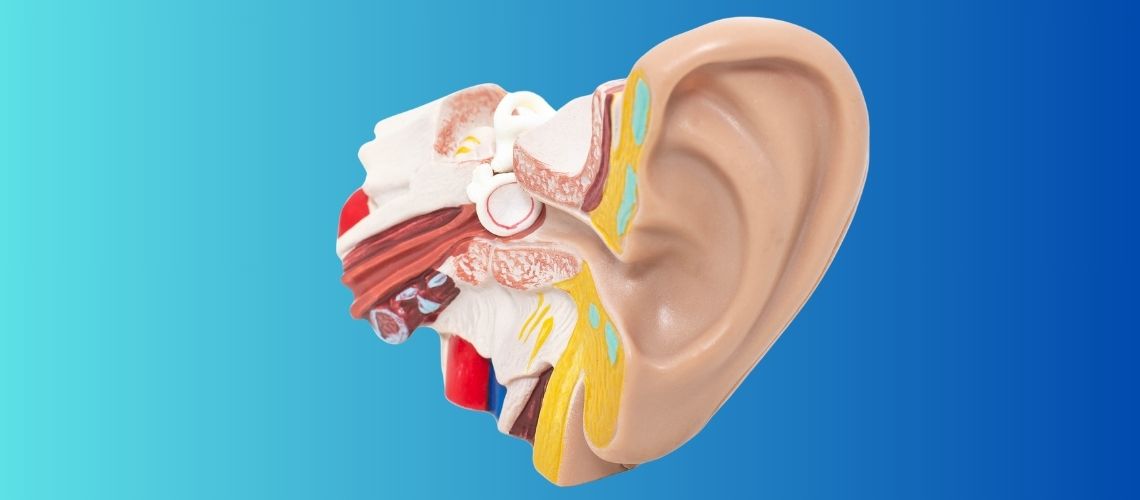
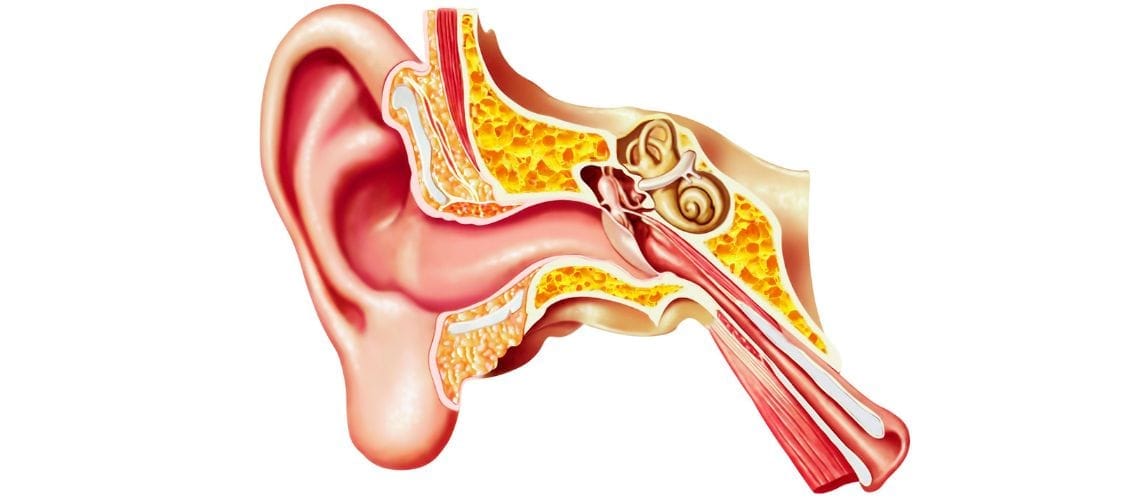
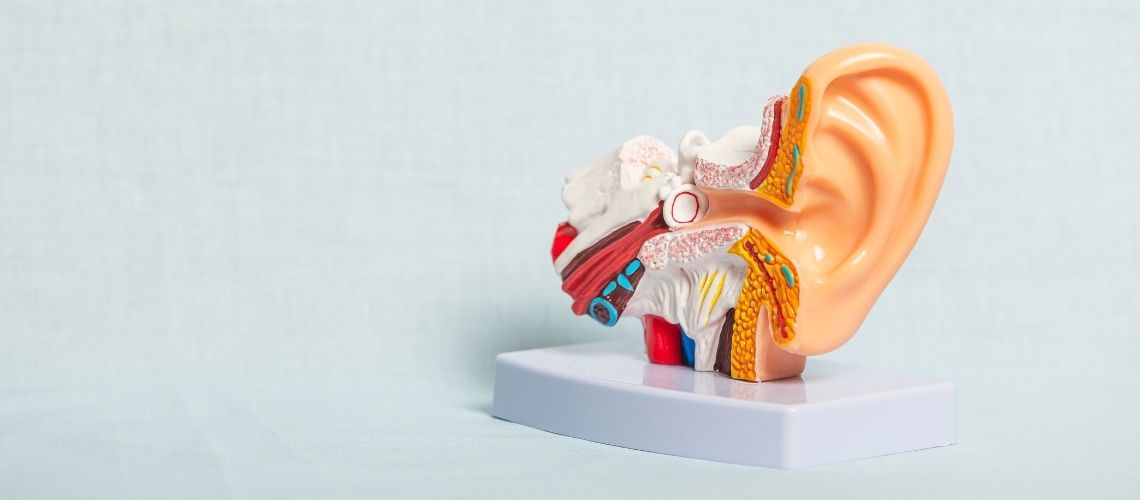
Mixed hearing loss is a condition in which both conductive and sensorineural hearing loss occur together. Problems in the eardrum or middle ear and neural damage in the inner ear occur simultaneously. Therefore, the diagnosis and treatment process is more comprehensive.
The causes of mixed hearing loss include ear infections, eardrum perforation, otosclerosis, and damage to the nerve cells in the inner ear. Early diagnosis is highly important because it may lead to permanent hearing loss in many cases. The severity of the condition may vary between individuals.
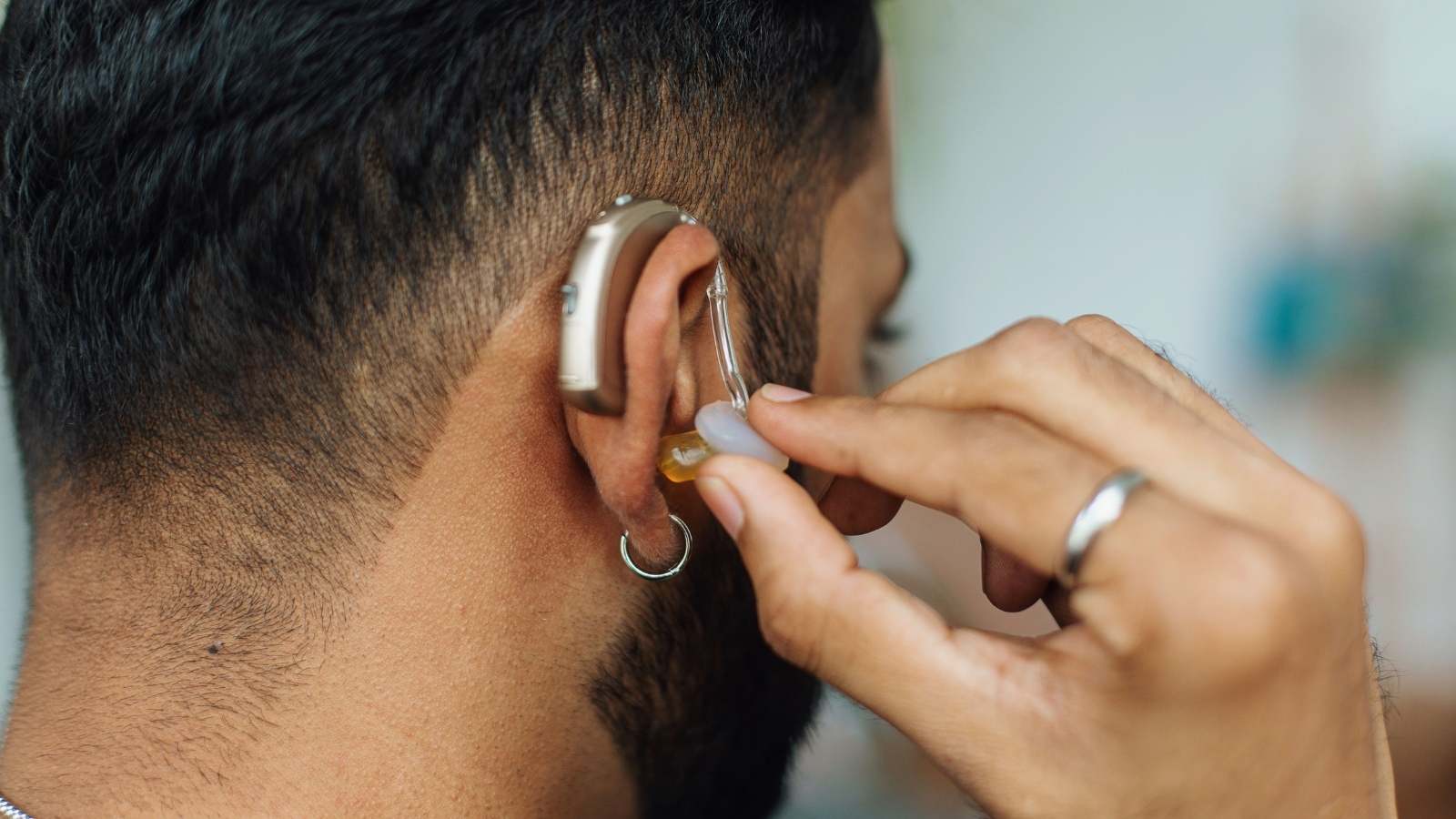
In the treatment approach, the problems causing the conductive component are first corrected through surgical or medical methods. Solutions such as hearing aids or cochlear implants may then be applied for neural damage. In this way, the aim is to preserve hearing function at the highest possible level.
Audiological tests, tympanometry, and imaging methods are used to diagnose mixed hearing loss. Regular examinations should be performed to prevent the progression of the condition, and quality of life should be improved through appropriate rehabilitation and supportive treatments. Early intervention provides long-term success.
What Are the Causes of Mixed Hearing Loss?
- Obstructions: Earwax accumulation or foreign objects in the ear canal may block the sound pathway. However, if there is also a completely independent inner ear problem, the hearing loss presents as mixed hearing loss. In these cases, the conductive hearing loss should be treated first.
- Infections: Conditions that cause fluid accumulation and inflammation in the middle ear may lead to hearing loss. Particularly in chronic problems, deterioration may also occur in the inner ear.
- Trauma: Ear or head trauma may affect the sound transmission pathways. The hearing loss that develops in this situation varies according to the severity and location of the trauma.
- Otosclerosis: Calcification of the stapes bone particularly prevents sound transmission in the middle ear. If left untreated, it progresses and calcification also begins in the inner ear.
Sensorineural hearing loss is associated with damage to the inner ear or auditory nerve. Therefore, the cause of the sensorineural component is important in mixed hearing loss. The main causes of this type of hearing loss, which occurs when the hair cells or neural pathways of the inner ear are damaged, are as follows:
- Exposure to Loud Noise: Continuous exposure to loud sounds may damage the hair cells in the inner ear.
- Aging: Degeneration of the cochlea and auditory nerve may lead to hearing loss.
- Genetics: Certain hereditary conditions may make individuals more susceptible to sensorineural hearing loss.
- Ototoxic Medications: Medications that may damage the inner ear structures can cause sensorineural hearing loss.
- Head Trauma: Severe head injuries may affect the inner ear or auditory nerve.
Each of these factors plays a role in the development of mixed hearing loss and generally requires complex treatment approaches. These approaches are customized according to the degree of hearing loss and the affected regions.
How Is Mixed Hearing Loss Diagnosed?
The diagnosis of mixed hearing loss requires a comprehensive and detailed process. First, the patient’s medical history is reviewed. During this review, important information such as previous ear infections, surgical history, and exposure to noise is collected. At this stage, whether there is a family history of hearing loss is also evaluated.
This is followed by a physical examination. ENT specialists examine the patient’s ear in detail using an otoscope and look for any signs of obstruction or infection. This examination helps identify factors that may indicate conductive hearing loss.
Various audiometric tests are at the center of the diagnostic process:
- Pure-Tone Audiometry: It measures the ability to hear sounds at different frequencies and intensity levels.
- Speech Audiometry: It tests the ability to hear, understand, and distinguish speech sounds.
- Tympanometry: The mobility of the eardrum and the pressure condition of the middle ear are evaluated.
- Otoacoustic Emissions (OAE): They measure the functionality of the outer hair cells in the inner ear.
- Imaging Techniques: Finally, imaging studies may be required in some cases. Methods such as MRI or CT are used to visualize abnormalities in the ear structures or the presence of a tumor.
What Are the Symptoms of Mixed Hearing Loss?
Mixed hearing loss occurs through a combination of conductive and sensorineural hearing loss. In this condition, problems in the outer and middle ear make it difficult for sound waves to reach the inner ear, while the inner ear or auditory nerves may also be damaged. As a result, many different symptoms may occur.
- Reduced Hearing Sensitivity: Individuals have difficulty hearing sounds, particularly at low volume levels.
- Difficulty Understanding Speech: Following conversations in noisy environments may become very difficult.
- Ear Pain or Discomfort: Infections and fluid accumulation in the middle ear may cause ear pain.
- Feeling of Pressure in the Ears: Problems in the outer and middle ear may cause a feeling of pressure.
- Tinnitus: Because deterioration occurs in both the middle and inner ear in mixed hearing loss, symptoms such as humming and ringing are common.
- Balance Problems and Vertigo (Dizziness): Great care should be taken if dizziness or imbalance accompanies mixed hearing loss. Significant structural changes may generally have developed in these patients. Therefore, they should be evaluated in detail.
These symptoms may be observed either unilaterally or bilaterally. The degree of hearing loss may be greater in one ear or may occur equally in both ears. Difficulties hearing high- or low-frequency sounds may vary from person to person. This depends on which parts of the hearing system are more severely affected.
Can Mixed Hearing Loss Be Prevented?
Preventing mixed hearing loss requires consideration of both the conductive and sensorineural components. This complex condition makes it necessary to implement different prevention strategies. While conductive hearing loss can generally be prevented, sensorineural hearing loss may be more challenging.
Prevention of Conductive Hearing Loss:
- Ear Hygiene: Careful removal of earwax and foreign objects prevents obstructions.
- Infection Control: Prompt intervention in ear infections reduces the risk of them becoming chronic.
- Protection from Noise: Taking protective measures against high sound levels minimizes damage.
- Surgical Interventions: In cases of congenital structural abnormalities of the ear, early hearing interventions or surgical procedures may be required.
Prevention of Sensorineural Hearing Loss:
- Prevention of Noise-Induced Hearing Loss: Avoiding continuous exposure to high sound levels protects the inner ear and therefore hearing health. Exposure to high-intensity sounds is one of the leading causes of permanent hearing loss.
- Awareness of Ototoxic Medications: Care must be taken regarding medications that may damage the ear. If you have hearing loss or tinnitus and need to use medication, you may need to share this information with your physician. Some medications may cause the existing condition to worsen.
- Genetic Predisposition and Early Screening: Early screening in at-risk individuals is important for the early detection of hearing loss and the implementation of preventive methods. If there is a family history of hearing loss, undergoing regular hearing examinations before the hearing loss reaches a level that you can notice is important for your hearing health.
The effective implementation of these strategies is important for preventing mixed hearing loss or slowing its progression. Integrating measures for both components contributes to the long-term preservation of hearing health.
What Are the Treatment Options for Mixed Hearing Loss?
Mixed hearing loss is a complex condition that includes both conductive and sensorineural components. Audiologists and ENT specialists offer a range of treatment methods to manage this loss. Medical or surgical treatments are methods applied to the conductive component. The sensorineural component may or may not require intervention depending on the situation after the conductive component has been corrected. Here, intervention generally refers to hearing aid options.
How Does Mixed Hearing Loss Progress Over Time?
Mixed hearing loss has a complex progression over time. The sensorineural component of hearing loss generally progresses gradually and is irreversible. This condition mostly results from aging, excessive exposure to noise, and other degenerative factors. Depending on the underlying causes, the degree of hearing loss may increase over time.
Conductive hearing loss may show different progression patterns depending on various causes:
- Chronic conditions such as Chronic Otitis Media, Cholesteatoma, and Otosclerosis cause hearing loss to progress if left untreated. The primary treatments for these problems are surgical treatments. Problems that can be corrected surgically may worsen if they are not treated in a timely manner.
If both conditions are not managed carefully, hearing loss generally worsens. Factors such as the severity of the initial damage, continuous exposure to harmful conditions, and general health status affect the rate of progression. Therefore, the management of mixed hearing loss requires an individualized approach. Regular monitoring and treatment planning help keep the progression of hearing loss under control.
What Is the Difference Between Mixed Hearing Loss and Other Types of Hearing Loss?
Mixed hearing loss differs from other types through the following characteristics:
- It shows symptoms of both sensorineural and conductive hearing loss.
- Treatment methods are arranged to cover both affected regions.
- Multiple simultaneous health problems may trigger this type of hearing loss.
Conductive Hearing Loss:
- It occurs due to pathologies in the outer or middle ear.
- It can be treated with medical treatment or surgical intervention.
- It has a high potential for hearing recovery.
Sensorineural Hearing Loss:
- It occurs following damage to the inner ear or auditory nerves.
- It is permanent.
- It requires specialized methods such as hearing aids or cochlear implants.
Considering these conditions, mixed hearing loss is a complex health problem that includes components of both types of hearing loss and requires appropriate solutions.
What Are the Long-Term Effects of Untreated Mixed Hearing Loss?
The long-term effects of untreated mixed hearing loss may significantly affect individuals’ quality of life. First, the risk of dementia and cognitive decline increases. Hearing loss continuously strains brain functions and increases the cognitive load. This condition may accelerate dysfunction in the brain and lead to cognitive decline.
Social Isolation and Depression:
- Communication difficulties make interaction with the social environment more difficult.
- Over time, social withdrawal and isolation occur.
- These conditions trigger mental health problems such as depression and anxiety.
In addition, the progressive nature of hearing loss may lead to further deterioration in hearing ability due to the lack of auditory stimulation.
Reduced Quality of Life:
- Difficulties are experienced in daily life and work performance.
- Communication problems negatively affect productivity and occupational success.
- The sense of personal achievement decreases and stress levels increase.
Finally, hearing is important for maintaining balance and spatial orientation. Impairment of these functions increases the risk of falls and related injuries. Falls may lead to serious health problems, particularly in older adults.
Frequently Asked Questions
Through which mechanisms does mixed hearing loss develop?
Mixed hearing loss develops when both conductive problems in the outer or middle ear and sensorineural loss originating from the inner ear or auditory nerve are present together. Therefore, it is referred to as mixed hearing loss.
What are the most common causes of mixed hearing loss?
Chronic middle ear infections, eardrum perforation, otosclerosis, age-related hearing loss, and exposure to noise are among the most common causes that may lead to mixed hearing loss.
How does mixed hearing loss progress in children?
Mixed hearing loss may develop in children because middle ear infections and fluid accumulation are common. This condition may negatively affect language development and school performance, making early diagnosis highly important.
Can mixed hearing loss progress during pregnancy?
Hormonal changes during pregnancy may particularly trigger otosclerosis. This may cause mixed hearing loss to progress. Regular ear, nose, and throat and audiological examinations are important during pregnancy.
Are hearing aids effective for mixed hearing loss?
Yes, hearing aids may provide benefits for both conductive and sensorineural hearing loss. However, device selection must be made by a specialist audiologist according to the degree of hearing loss, audiometric characteristics, and the individual’s needs.
In which cases is surgical treatment applied for mixed hearing loss?
Procedures such as eardrum repair, prosthesis placement, or otosclerosis surgery may correct the conductive component. However, the sensorineural component cannot be reversed, so surgery may not always provide a complete solution. This decision should be made following a detailed examination and audiological tests.
Is mixed hearing loss progressive?
It varies according to the underlying causes. For example, otosclerosis and age-related hearing loss may be progressive, while some conductive problems can be brought under control through surgical or medical treatment.
How does mixed hearing loss affect work and social life?
Patients have difficulty understanding conversations in crowded environments, and communication problems and social isolation may develop. This condition may negatively affect work performance and quality of life. The extent to which hearing loss affects the individual varies depending on the degree of hearing loss.
What complications may develop if mixed hearing loss is not treated?
Serious consequences such as progression of hearing loss, communication difficulties, social withdrawal, and delayed language development in children may occur. Leaving it untreated may lead to major long-term problems.
What rehabilitation methods are available for patients with mixed hearing loss?
When hearing loss cannot be treated surgically, hearing aids, cochlear implant evaluation, audiological rehabilitation programs, and communication strategy training are important parts of treatment. Regular follow-up and supportive treatment strengthen the treatment process.

Dr. Audiologist Emel Uğur was born in 1982 in Çanakkale. She specialized in Pediatric Audiology, Otologic Disorders, and Vestibular System Disorders, and served for 15 years at the Istanbul Training and Research Hospital. In 2015, she joined the Acıbadem Healthcare Group. She currently works as an Audiologist at the Acıbadem Altunizade Hospital and also serves as a faculty member and program director in the Acıbadem University Vocational School of Health Services Audiometry Program.








Location of our clinic in Istanbul, Turkey