

 Türkçe
Maintaining hearing health depends on disciplining daily lifestyle habits with scientifically proven protective methods. The most effective steps to protect hearing health are using protective equipment in noisy environments above 85 decibels, keeping headphone volume at safe levels, and participating in professional follow-up through periodic audiological evaluations. In addition, avoiding the use of cotton swabs when cleaning the ear canal and adopting a healthy lifestyle that supports the inner ear cells help preserve hearing capacity throughout life. Early intervention and preventive strategies are fundamental requirements for preventing sensory loss.
How Do Our Ears Process Sounds and How Does Damage Occur in Terms of Hearing Health?
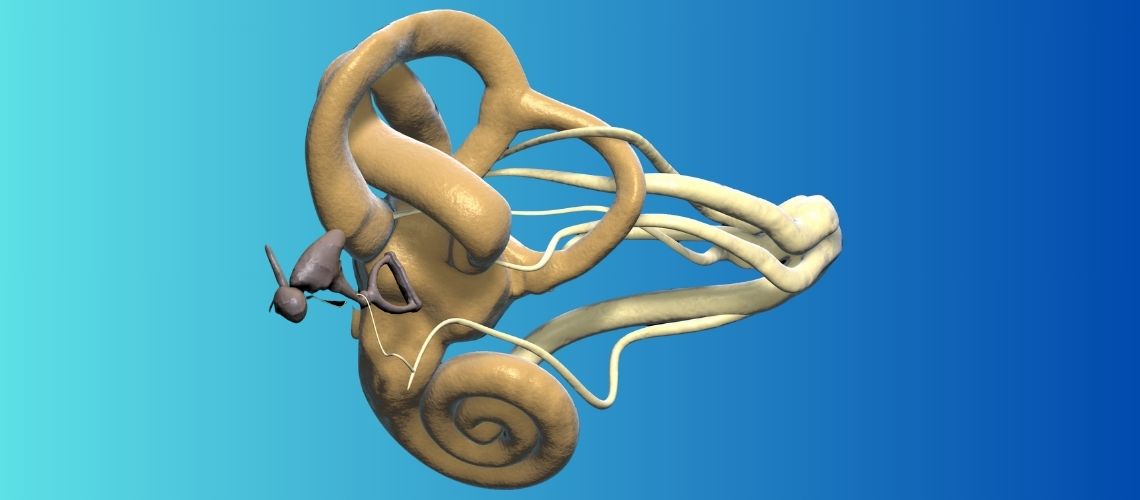
A sound wave coming from the outside is first collected by the auricle and directed into the ear canal, where it causes the eardrum to vibrate. This vibration is transmitted to the inner ear, namely the cochlea, through the tiny bones in the middle ear called the malleus, incus, and stapes. The cochlea is filled with a special fluid, and within this fluid are tens of thousands of microscopic hair cells that convert sound waves into electrical signals that the brain can understand. These hair cells can be compared to a wheat field swaying in the wind.
Just as the stalks in a wheat field bend after a severe storm but recover over time, the hair cells in our ears become fatigued and bend after exposure to very loud sounds. This is called a temporary threshold shift. The ringing or blocked sensation felt in the ears after a concert is an example of this. However, if heavy vehicles continuously drive over that wheat field, the stalks break and can never return to their original condition. Unlike many other cells in the human body, these hair cells in the inner ear have no ability to regenerate or multiply. Continuous exposure to noise causes these cells to be physically destroyed or to produce toxic waste at the cellular level, leading to their own destruction. The resulting hearing loss is permanent.
Which Audiological Tests Should Be Performed to Evaluate Hearing Health and Detect Hearing Loss Early?
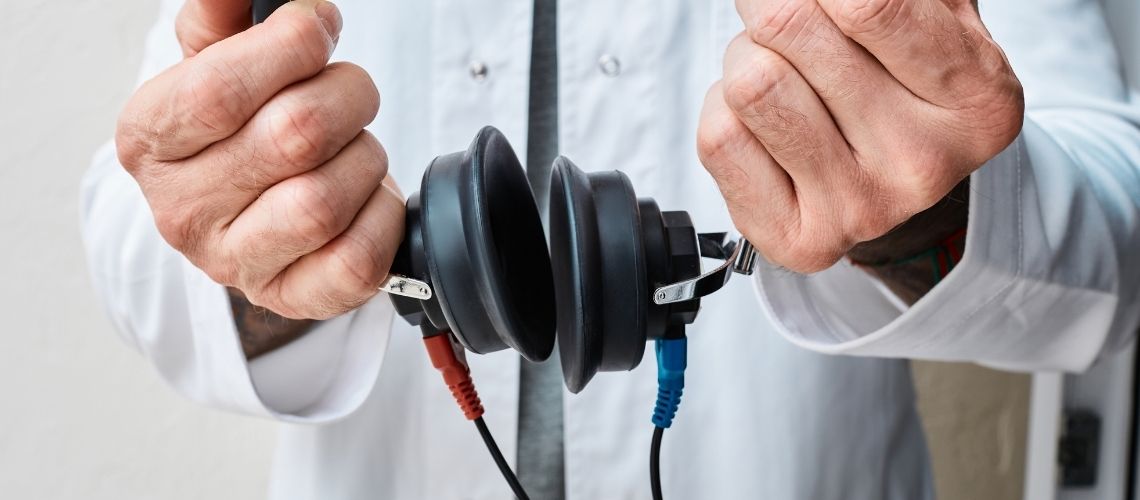
To recognize the presence of a problem and find a solution, the current condition must first be evaluated scientifically. Just as regular blood tests are performed to monitor general health, periodic audiological assessments should be conducted to evaluate the condition of the hearing system. The foundation of these evaluations is pure-tone audiometry. In this test, you enter a soundproof booth, wear headphones, and press a button whenever you hear even the faintest sound. The result creates a highly detailed map of your hearing.
Under normal conditions, a standard hearing test measures sounds up to eight thousand hertz, including everyday speech frequencies. The results reveal not only how well you hear but also whether a possible problem originates in the outer ear, middle ear, or auditory nerves. However, factors such as noise exposure and aging usually begin damaging the deepest part of the cochlea, where much higher-frequency sounds are detected. Advanced clinics perform high-frequency audiometry reaching up to twenty thousand hertz. This detailed test functions like a perfect early warning radar, detecting cellular fatigue in the inner ear months or even years before any noticeable hearing difficulty appears in daily life.
What Are Objective Measurements That Do Not Require Active Participation and Why Are They Important for Hearing Health?
In some situations, the individual undergoing the test may not be able to respond actively by pressing a button, or it may be necessary to identify the source of a problem at the cellular level in a much more objective way. At such times, technological tests that measure the ear’s natural reflexes and responses without requiring any effort from the individual come into use.
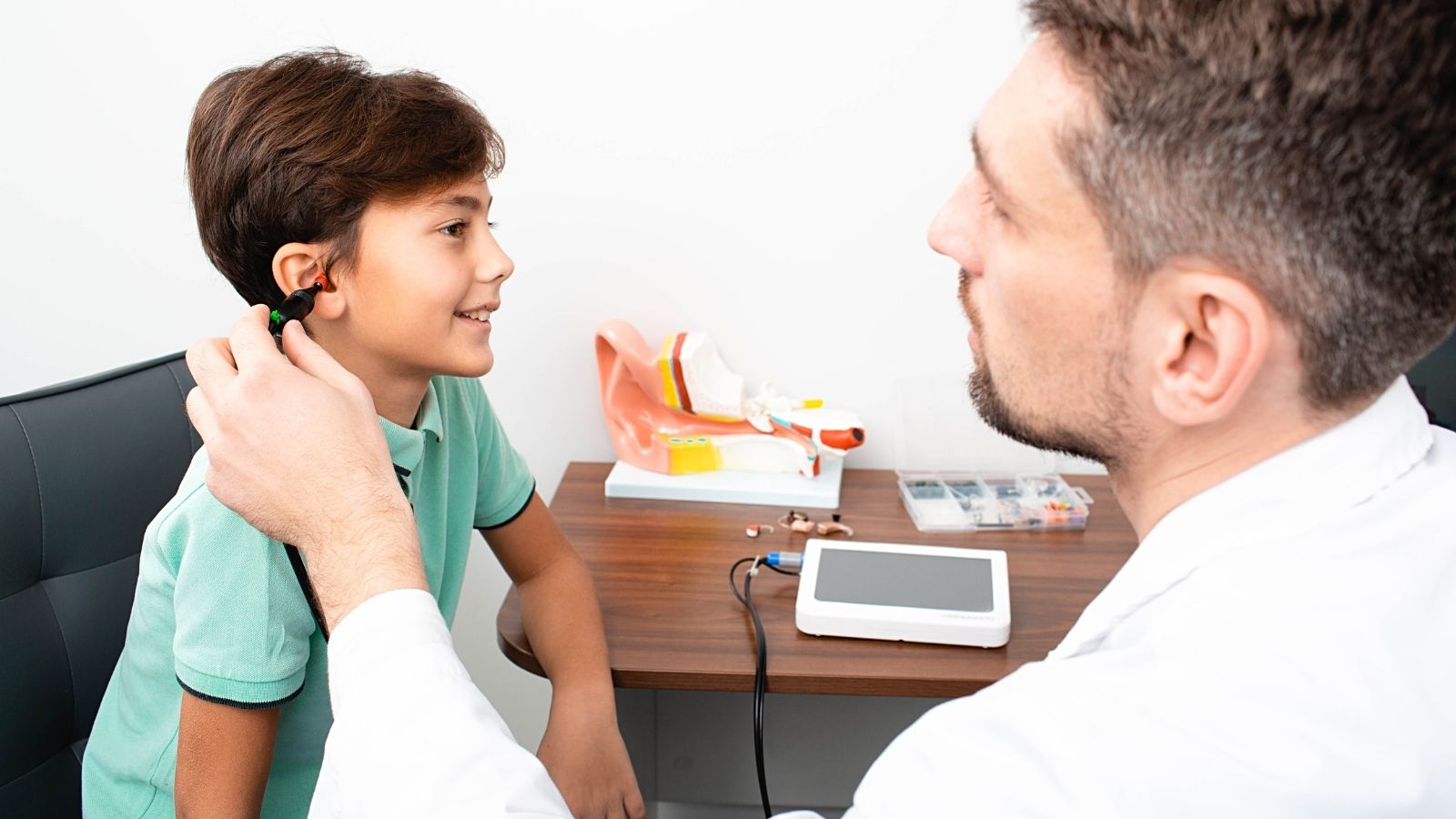
A method called tympanometry is used to evaluate the health of the middle ear. By applying slight air pressure into the ear canal, the mobility of the eardrum is measured. This makes it possible to determine within seconds whether fluid has accumulated behind the eardrum, whether there is an invisible perforation, or whether the ossicles are functioning properly. Another remarkable test is otoacoustic emissions. A healthy inner ear actually produces a very faint sound, almost like an echo, in response to incoming sound. Sensitive microphones placed in the ear canal listen for this tiny echo produced by the hair cells in the inner ear. If this echo can be detected by the device, it indicates that the hair cells are alive and healthy. Noise-induced damage reveals itself through the weakening of these tiny echoes long before it appears as hearing loss on an audiogram.
Which Hearing Health Standards Should Be Followed to Protect Against Workplace Noise?
In today’s industrial world, long hours spent in factories, workshops, or areas where heavy machinery operates represent one of the greatest environmental threats to hearing. Working in a loud environment does not only strain the ears but also the entire nervous system. For this reason, workplace noise levels are regulated under very strict legal standards.
When ambient noise reaches eighty decibels, warning signs begin to appear. At this point, protective equipment must be readily available in the workplace. Once the noise level reaches eighty-five decibels, the situation changes completely; from this point onward, using hearing protectors or earplugs becomes an absolute requirement rather than a precaution. Despite all protective measures, the sound reaching the ear must never exceed eighty-seven decibels under any circumstances. One of the most important considerations is selecting the correct protective equipment. Devices that completely block the ears and eliminate awareness of surrounding sounds may prevent workers from hearing machine alarms or colleagues’ warnings, creating a much greater risk of serious workplace accidents. Therefore, proper protection is not about eliminating all sound but reducing it to a safe level.
Why Should Custom Hearing Protectors Be Preferred Over Standard Earplugs for Hearing Health?
Standard foam, silicone, or plastic earplugs available on the market are manufactured in the same size and shape for everyone. However, just as every person’s fingerprint is unique, the curves, width, and structure of the ear canal are also unique. When a standard earplug is inserted, it cannot fully adapt to the contours of the ear canal, leaving gaps. Sound waves leaking through these gaps almost completely eliminate the effectiveness of the protector. Furthermore, prolonged use of these earplugs often causes significant pressure, sweating, and physical discomfort inside the ear.
To overcome these problems, custom-made protectors called otoplastics are produced. This process requires a highly precise clinical procedure. First, the inside of the ear is carefully examined, and then a very soft medical-grade silicone is injected into the ear canal. Within a few minutes, this silicone hardens and creates an exact impression of the ear canal. This impression is then transferred into a digital environment using advanced three-dimensional scanners and manufactured with micron-level precision using laser printers. Because it fits the ear perfectly, it prevents sound leakage and remains comfortable even when worn throughout the day.
What Are the Functions of Acoustic Filters in Custom Hearing Protectors and Who Uses Them for Hearing Health?
The greatest innovation that distinguishes custom hearing protectors from standard earplugs is the replaceable acoustic filter technology that can be integrated into them. Instead of indiscriminately blocking all sounds in the environment, these filters are designed to reduce harmful noise while allowing important sounds to pass through. Thanks to this remarkable technology, users can continue communicating with their surroundings.
The main user groups of hearing protectors with acoustic filters are listed below.
- Musicians
- Performing artists
- DJs
- Industrial workers
- Military personnel
- Hunters
- Civil engineers
- Frequent travelers
Different filters are designed for each user group. For example, flat-response filters designed for musicians reduce all frequencies equally without altering the tone, bass, or treble of the music, preserving sound quality while protecting hearing. Active filters used by hunters or shooting enthusiasts block sudden loud sounds such as gunshots within a fraction of a millisecond while still allowing natural sounds such as rustling leaves to be heard. Pressure filters designed for frequent air travelers equalize cabin pressure changes, preventing the severe ear pain experienced during aircraft takeoffs and landings.
Can Medications Cause Ototoxicity and Create Risks for Hearing Health?
Another factor that many people never consider but that can seriously affect the hearing system is medication use. Certain powerful medications that are life-saving or used to treat chronic diseases may directly target the cellular structures of the inner ear as a side effect. Once these substances reach the inner ear through the bloodstream, they may cause irreversible toxic effects on the hair cells or auditory nerve, a condition known as ototoxicity.
The following medication groups have the potential to damage the inner ear and should be used with caution:
- Aminoglycoside antibiotics
- Chemotherapy drugs
- Platinum compounds
- Loop diuretics
- Salicylates
These medications are generally used not for minor illnesses but for serious infections, cancers, or severe heart and kidney failure treated in hospital settings. For example, even relatively harmless situations such as taking very high doses of aspirin over a prolonged period may temporarily lead to tinnitus and hearing difficulties. Administering the medication rapidly through intravenous infusion can also significantly increase these risks.
Which Protocols Should Be Followed to Monitor Hearing Health During the Use of Ototoxic Medications?
If the use of a medication with such side effects is unavoidable for life-saving treatment, a strict monitoring protocol is initiated to protect the individual’s hearing ability. Before treatment begins, a comprehensive audiological evaluation is performed to determine the person’s baseline hearing capacity. This assessment serves as the reference point for all future comparisons throughout the treatment process.
During treatment, high-frequency hearing tests and emission tests measuring cellular responses are repeated at regular intervals. If even a slight decline is detected in the highest hearing frequencies, it is considered the earliest and clearest indication of cellular damage. This information is immediately shared with the physician responsible for the treatment. As a result, the medication dosage can be adjusted or, if possible, replaced with an alternative drug that provides the same therapeutic effect without harming the ear. Since damage may continue even months after the medication has been completely eliminated from the body, regular follow-up examinations should continue for a period after treatment has ended.
Which Methods Should Be Used to Protect Hearing Health in Daily Life and During Headphone Use?
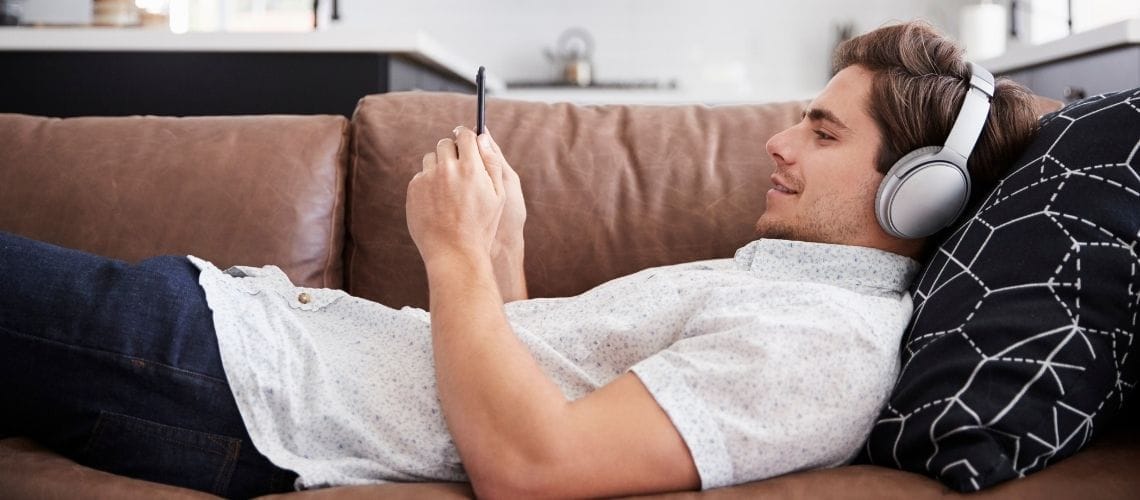
Today, the greatest and most insidious threat to our hearing no longer comes from enormous factory machines but from the smartphones we carry in our pockets and the headphones connected to them. In-ear headphones, in particular, which fit directly into the ear canal and deliver sound almost directly to the eardrum from a very short distance, can wear down the hearing system at an astonishing rate if used carelessly.
Developing safe listening habits is essential when using headphones. The basic rules are listed below.
- Limit the volume
- Limit the duration
- Take listening breaks
- Provide isolation
The rule most emphasized by experts is to keep the volume below sixty percent of the device’s maximum capacity and limit uninterrupted listening time to a total of sixty minutes per day. Turning the volume up to the maximum in noisy environments such as public transportation is one of the biggest mistakes. Instead, active noise-canceling headphones that electronically detect and eliminate environmental noise should be preferred. This creates a quieter background, eliminating the need to raise the music volume to dangerous levels.
How Should We Protect Our Ears for Hearing Health at Loud Concerts and Events?
Music festivals, stadium concerts, and major sporting events are filled with excitement. However, sound levels in these environments often exceed one hundred and twenty decibels. Without any protection, the human ear can withstand this level of sound pressure for only a few minutes before permanent damage occurs. The intense ringing, buzzing, or muffled hearing experienced after leaving a concert is essentially the inner ear cells sending a distress signal.
In such environments, you should definitely avoid standing directly in front of large speakers or sound systems. There is no need to experience music at its maximum intensity to enjoy its rhythm and excitement. If you frequently attend such events, using special filtered earplugs that reduce sound intensity to a safe level without affecting the quality or clarity of the music is one of the smartest investments you can make to protect your hearing for years. Taking occasional breaks in quiet areas during the event to give your ears an acoustic rest is also highly beneficial.
Which Mistakes Should We Absolutely Avoid During Ear Cleaning for Hearing Health?
Protecting hearing health is not only about safeguarding the nerves of the inner ear but also about maintaining the physical health and hygiene of the outer ear correctly. The human ear has an extraordinary physiological mechanism capable of cleaning itself, just as the eyes clean themselves with tears. The delicate skin cells within the ear canal move outward like a conveyor belt, while special secretions naturally carry dust, dirt, and dead cells out of the ear.
The practices that should be avoided when maintaining ear hygiene are listed below:
- Cotton swabs
- Hairpins
- Toothpicks
- Ear candles
- Pressurized irrigation
Inserting cotton swabs into the ear canal does nothing except push the protective earwax deeper toward the eardrum like a piston. This can lead to complete ear blockage, infections, severe pain, and even eardrum perforation. Proper and healthy ear cleaning consists only of gently drying the outer folds of the ear with the edge of a soft towel after showering. If you experience a blocked ear, the correct solution is not attempting to remove it at home but having the area professionally cleaned by a specialist using appropriate equipment under microscopic guidance.
Do Our Diet and Lifestyle Affect Hearing Health?
No system in the human body functions independently of the others. The delicate hair cells in the inner ear require an abundant energy supply, plenty of oxygen, and uninterrupted blood circulation to function properly. Any condition that impairs blood flow in the capillaries, reduces oxygen delivery to the cells, or slows overall metabolism indirectly increases the risk of hearing loss.
The main nutrients that protect and support the hearing system at the cellular level are listed below:
- Fish
- Walnuts
- Almonds
- Spinach
- Bananas
- Eggs
Omega-3 fatty acids, found in abundance in fish and walnuts, improve blood circulation to the inner ear, while magnesium obtained from foods such as spinach, bananas, and almonds forms a powerful antioxidant shield against harmful free radicals produced by noise exposure. Vitamin B12 also plays a critical role in maintaining the health of the auditory nerves.
On the other hand, smoking is one of the habits that causes the greatest harm to the hearing system. Cigarette smoke reduces oxygen levels in the blood and causes blood vessels to constrict, effectively depriving the inner ear of oxygen. Even exposure to secondhand smoke significantly increases the risk of middle ear infections and permanent hearing loss, especially in children. Regular physical exercise strengthens the heart and improves blood circulation throughout the body, making it one of the best things you can do for your ears.
What Is Tinnitus and How Is It Managed Within the Context of Hearing Health?
Hearing sounds such as ringing, buzzing, flowing water, or machine noise continuously inside the head or ears when there is no external source such as wind, television, or any other stimulus is called tinnitus. Rather than being a disease itself, tinnitus is an important symptom indicating that something is wrong somewhere in the hearing system, that the inner ear is under stress, or that hearing loss may be beginning.
Persistent tinnitus can severely disrupt sleep, cause concentration problems, and create significant psychological stress. Managing tinnitus begins with detailed measurements to determine the frequency and intensity of the phantom sound. The next step is to change the brain’s response to this sound. Through methods such as tinnitus retraining therapy or sound therapy, calming natural sounds are delivered to the brain through specialized devices. The primary goal is not to eliminate the tinnitus completely but to help the brain perceive it as a harmless, insignificant background noise, much like the hum of a refrigerator motor at home.
Which Technological Solutions Are Used to Restore Hearing Health When Hearing Loss Develops?
Even if hearing loss develops due to aging, genetic factors, or inadequate preventive measures in previous years, there is absolutely no reason for an individual to withdraw into silence or become isolated from social life. Modern technology continues to revolutionize this field every day. Today’s hearing devices are far removed from the old-style amplifiers that simply increased every surrounding sound without distinction.
The technological features offered by next-generation hearing devices are listed below:
- Noise reduction
- Speech enhancement
- Directional microphones
- Wireless connectivity
Rechargeable batteries
From the moment they are worn, these devices function like miniature computers, analyzing the surrounding environment thousands of times per second. While automatically reducing background sounds such as clattering dishes in a crowded restaurant or street traffic, they simultaneously enhance the speech of the person sitting directly in front of you. Through wireless connectivity, they pair directly with your smartphone and stream phone calls, video audio, and your favorite music seamlessly into your ears. However, for this technology to deliver its full benefits, the devices must be precisely programmed according to audiological measurements, and the brain must patiently adapt to hearing sounds it has not perceived clearly for a long time.
How Do Cochlear Implants Provide a Solution for Hearing Health in Severe Hearing Loss?
In some cases, the damage within the inner ear is so extensive that the hair cells have completely lost their function. Even the most powerful hearing aid in the world cannot make speech understandable; sounds are perceived only as meaningless noise. In such severe and profound hearing loss, the most remarkable solution offered by the combination of medicine and technology is the cochlear implant, commonly known as the bionic ear.
This technology works by completely bypassing the damaged and non-functioning inner ear and transmitting sound directly to the auditory nerve. Microscopic electrodes surgically implanted into the inner ear instantly convert sounds collected by the external processor into electrical signals that directly stimulate the brain. The long rehabilitation process, which includes fitting the external components after surgery, programming the electrodes according to the individual’s auditory perception, and allowing the brain to gradually transform these initially robotic sounds into meaningful speech, is a remarkable journey that reconnects individuals from profound silence to the very center of life and communication.

Dr. Audiologist Emel Uğur was born in 1982 in Çanakkale. She specialized in Pediatric Audiology, Otologic Disorders, and Vestibular System Disorders, and served for 15 years at the Istanbul Training and Research Hospital. In 2015, she joined the Acıbadem Healthcare Group. She currently works as an Audiologist at the Acıbadem Altunizade Hospital and also serves as a faculty member and program director in the Acıbadem University Vocational School of Health Services Audiometry Program.



Location of our clinic in Istanbul, Turkey