

 Türkçe
Central auditory processing disorders are conditions in which an individual has normal hearing levels but experiences difficulty interpreting the sounds they hear. Dysfunction of the auditory centers in the brain creates difficulty distinguishing speech and understanding environmental sounds.
Central auditory processing disorders can negatively affect academic performance in children. Difficulty understanding what is being said, especially in crowded environments, may lead to learning difficulties and distractibility. Early diagnosis improves educational success.
In adults, central auditory processing disorder makes social communication and working life difficult. Individuals who have difficulty understanding speech, especially in noisy environments, become more vulnerable to misunderstandings. This condition may also lead to psychological distress.
Auditory training programs and specialized therapy methods are applied during the treatment process. In addition, strategies are developed to strengthen the individual’s communication skills. Regular follow-up and personalized training programs improve quality of life.
What Are the Symptoms of Central Auditory Processing Disorders?
Central Auditory Processing Disorders result from difficulties processing auditory information in the central nervous system. This condition manifests through various symptoms.
- Localization problems: First, individuals have difficulty identifying the source of sound, and their ability to distinguish between sounds decreases.
- Difficulty Understanding Speech in Noisy Environments: It becomes difficult to understand speech in background noise.
- Delayed Response Time: Slower-than-expected responses are observed in verbal communication.
- Frequently Requesting Repetition: Frequent requests for auditory information to be repeated are observed.
- Inconsistent or Inappropriate Responses: Responses that are not appropriate to what is being said or asked are observed.
- Difficulty with Auditory Memory: Difficulty storing auditory information and recalling it later occurs.
- Poor Listening Skills: Difficulty focusing on auditory tasks may occur. Difficulty following the subject may also be seen.
- Difficulty Following Complex Instructions: Difficulty carrying out multi-step instructions.
- Problems with Speech Sound Discrimination: Difficulty distinguishing similar sounds.
- Difficulties with Musical and Rhythmic Activities: Difficulty understanding musical rhythm.
- Misunderstanding Speech: Difficulty detecting changes in tone.
- Academic Difficulties: Experiencing difficulties in reading and writing.
These symptoms may negatively affect daily communication and academic performance. Each symptom results from the inability to process auditory information correctly and limits individuals’ social communication.
How Do Central Auditory Processing Disorders Affect Children?
Central Auditory Processing Disorders profoundly affect children’s educational lives and academic achievement. This condition becomes more evident, especially in noisy environments such as classrooms. Because children cannot process spoken language correctly, they may miss important subjects and details. This leads to confusion in learning processes. Difficulties processing auditory information result in challenges across various academic areas:
- Listening and Comprehension: They have difficulty understanding spoken language in the presence of background noise. They miss important information and details and may therefore fail to comprehend them.
- Language and Reading Difficulties: Reading and language skills are negatively affected due to difficulties processing speech sounds. They have difficulty decoding words and understanding language correctly.
- Academic Performance: Listening and language difficulties generally lead to low academic achievement. They may experience failure in lessons and assignments. They may perform below their potential.
- Attention and Behavioral Problems: The additional effort required to process auditory information causes distractibility and behavioral problems. They may frequently lose focus, and misunderstandings may occur.
- Social and Emotional Impact: Communication difficulties may cause social isolation or difficulty making friends. The likelihood of being exposed to peer bullying increases. This condition may negatively affect children’s emotional health and lead to problems such as anxiety and low self-esteem.
These difficulties directly affect children’s academic and social lives and may cause lasting problems in education and social relationships.
What Are the Causes of Central Auditory Processing Disorders in Adults?
The causes of central auditory processing disorders may occur in different ways in adults. Brain damage, the aging process, and various neurological conditions contribute to the development of these disorders. Brain damage generally occurs as a result of trauma, stroke, or infection. Such events affect brain regions involved in processing auditory information. The aging process also has a similar effect. The auditory system naturally changes with age, and these changes may weaken central auditory processing ability.
Neurological conditions, particularly:
- Multiple sclerosis
- Alzheimer’s disease
- Parkinson’s disease
such as neurodegenerative diseases directly affect the functioning of the brain and nervous system. These diseases may cause pathological changes that disrupt the processing of auditory signals in the brain. In addition, certain genetic conditions may also negatively affect auditory processing abilities.
All these causes prevent auditory information from being processed and interpreted correctly, leading individuals to experience significant difficulties in daily life.
How Is Central Auditory Processing Disorder Diagnosed?
Central Auditory Processing Disorder is diagnosed through a comprehensive evaluation process performed by audiologists. The first step is to examine the individual’s auditory difficulties and medical history in depth. Information is also collected regarding areas such as speech, language development, and educational status. This information helps identify possible risk factors that may affect auditory processing abilities.
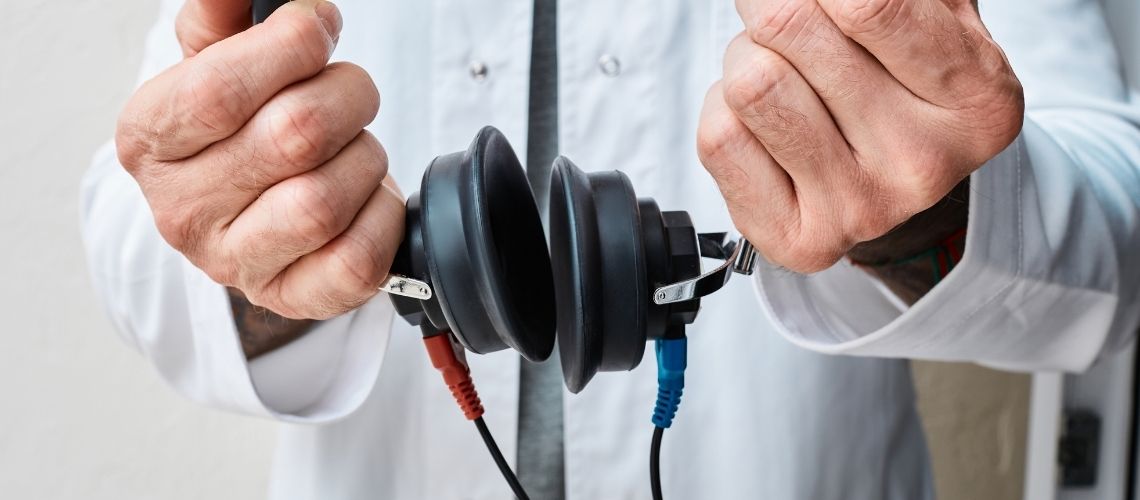
The hearing evaluation is the next important stage of the diagnostic process. At this stage, it is confirmed that the individual has normal hearing sensitivity. A comprehensive audiological evaluation is performed to understand whether hearing loss affects auditory processing difficulties. A specialized test battery is administered to assess auditory processing abilities. These tests include:
- Dichotic Listening Tests: Processing ability is evaluated by presenting different sounds to both ears simultaneously.
- Temporal Processing Tests: The ability to perceive the timing aspects of auditory signals is tested.
- Monaural Speech Tests: The ability to understand speech with partially missing or distorted signals is measured.
- Electrophysiological Tests: Tests such as Auditory Brainstem Response (ABR), Auditory Middle Latency Responses, and Cortical Responses are used to evaluate neural transmission through the central auditory nervous system.
Finally, by scoring and interpreting the test results, it is determined whether the individual has an auditory processing disorder. Central Auditory Processing Disorder may be diagnosed if performance is two standard deviations below the mean in one or both ears on at least two tests in the test battery.
What Are the Most Effective Treatment Options for Central Auditory Processing Disorders?
Treatment options for Central Auditory Processing Disorders are shaped according to the individual’s specific needs. These strategies, provided by audiologists, aim to strengthen auditory functions. Direct skill remediation, compensatory strategies, and environmental modifications are the main treatment areas. The treatment process is personalized according to specific deficiencies.
Direct Skill Remediation:
- Auditory Training: Structured listening activities are applied to enable the brain to process sounds more effectively.
- Dichotic Listening Training: Work is carried out on the ability to process different sounds presented to both ears simultaneously.
- Temporal Processing Training: Programs aimed at improving skills in processing the timing aspects of sounds are used.
- Speech-in-Noise Training: Practice is performed to improve the ability to understand speech in noisy environments.
Compensatory Strategies:
- Metacognitive and Language Strategies: These strengthen higher-level thinking skills associated with auditory processing.
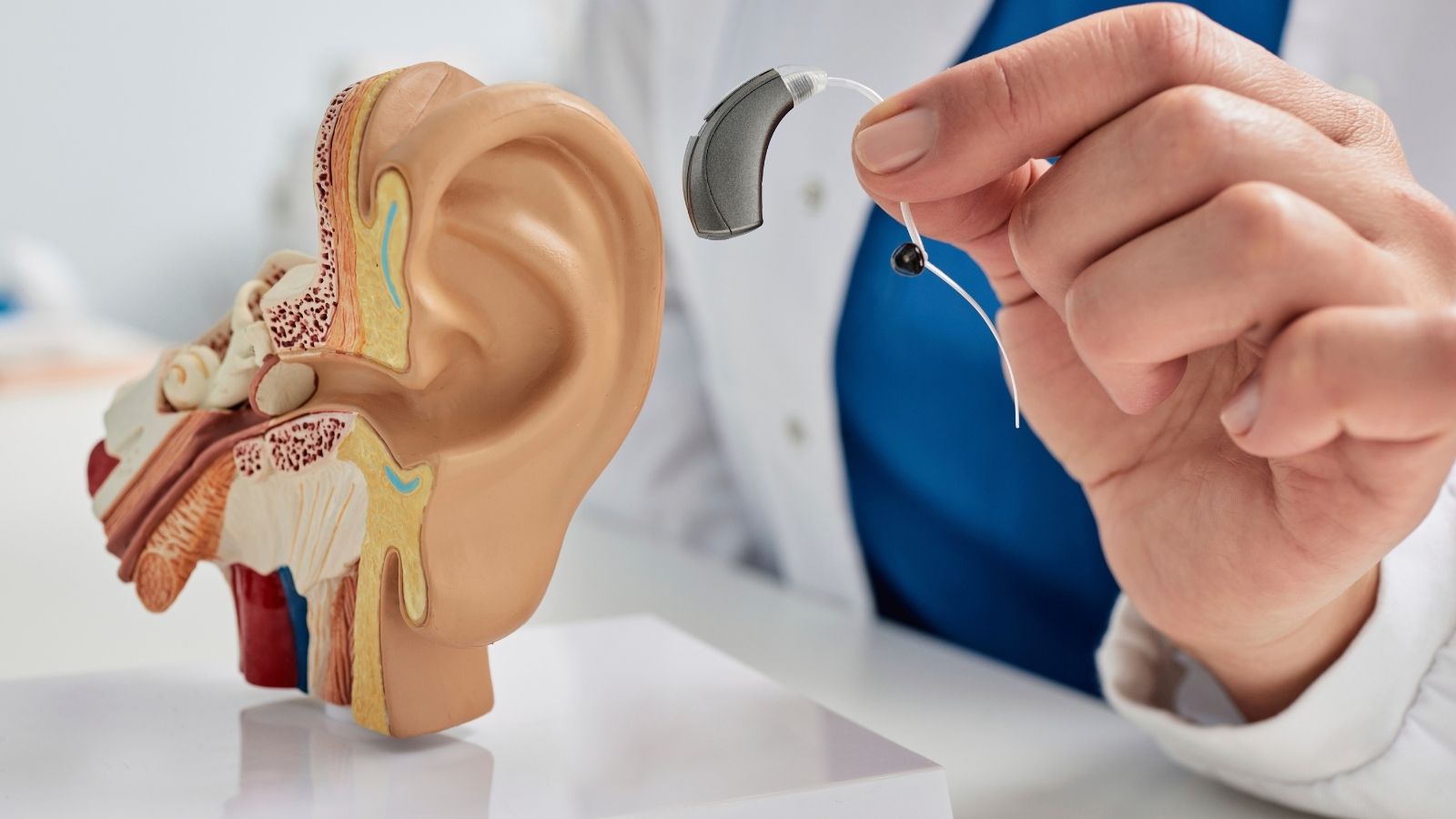
- Assistive Listening Devices: These are used to improve hearing clarity, especially in noisy environments.
Environmental Modifications:
- Acoustic Modifications: Environmental modifications are recommended to reduce background noise and reverberation.
- Communication Strategies: Effective communication techniques are emphasized; for example, eye contact and feedback exercises are beneficial.
While these interventions aim to improve the understanding and processing of auditory information, they also help patients overcome the difficulties they encounter in daily life. Each treatment method targets specific aspects of the auditory processing disorder and aims to provide holistic improvement.
How Do Central Auditory Processing Disorders Affect Social Interactions?
Central Auditory Processing Disorders have profound effects on social interactions. In noisy environments or situations where several people are speaking simultaneously, individuals with this disorder generally have difficulty understanding speech. These difficulties directly reduce the quality of social interaction. Being unable to communicate effectively leads to misunderstandings and missing information. As a result, they may not respond appropriately in social situations. This may cause them to be perceived as uninterested or rude.
- Social Withdrawal: Individuals with Central Auditory Processing Disorder may avoid participating in social activities.
- Social Isolation: Misunderstandings and communication difficulties may cause the individual to become isolated from their social environment.
This condition increases stress and anxiety levels in individuals and further worsens social isolation. In children, this disorder may limit the development of language skills. Problems related to phonological processing make it difficult for children to produce and understand speech sounds correctly.
Communication Barriers: Children have difficulty communicating effectively with their peers. Communication difficulties prevent the formation of social bonds and increase feelings of loneliness.
In adults, the ability to communicate effectively in work and personal relationships is vital. Persistent difficulties related to auditory processing may create reluctance to participate in professional and social activities. This causes individuals to encounter barriers in both their professional and private lives.
What Is the Difference Between Central Auditory Processing Disorders and Hearing Loss?
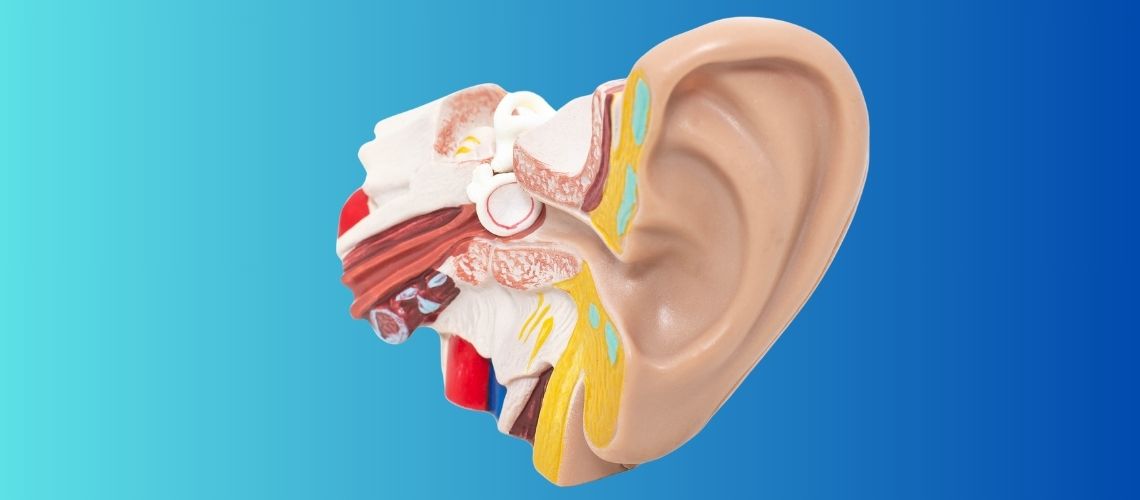
Although Central Auditory Processing Disorders and Hearing Loss are both categorized as auditory problems, they have fundamentally different characteristics. Hearing loss results from physical, anatomical, or physiological problems in the outer, middle, or inner ear. This disorder affects the volume and clarity of sound, causing the auditory information that should reach the brain to become incomplete or distorted. The main causes of hearing loss are:
- Aging
- Exposure to noise
- Ear infections
- Genetic factors
On the other hand, Central Auditory Processing Disorder is a condition in which sounds cannot be processed correctly by the brain even though the hearing organs function normally. This condition is not related to hearing volume or clarity but to the capacity to understand and interpret sounds. Individuals with central auditory processing disorder have difficulty distinguishing between similar sounds, understanding speech in noisy environments, and correctly localizing sound sources. The main causes of central auditory processing disorder are:
- Developmental problems
- Head trauma
- Neurological conditions affecting the brain’s auditory processing abilities
Both conditions are diagnosed using specialized tests, but their treatment methods and requirements differ.
Frequently Asked Questions

Dr. Audiologist Emel Uğur was born in 1982 in Çanakkale. She specialized in Pediatric Audiology, Otologic Disorders, and Vestibular System Disorders, and served for 15 years at the Istanbul Training and Research Hospital. In 2015, she joined the Acıbadem Healthcare Group. She currently works as an Audiologist at the Acıbadem Altunizade Hospital and also serves as a faculty member and program director in the Acıbadem University Vocational School of Health Services Audiometry Program.









Location of our clinic in Istanbul, Turkey